
Plants
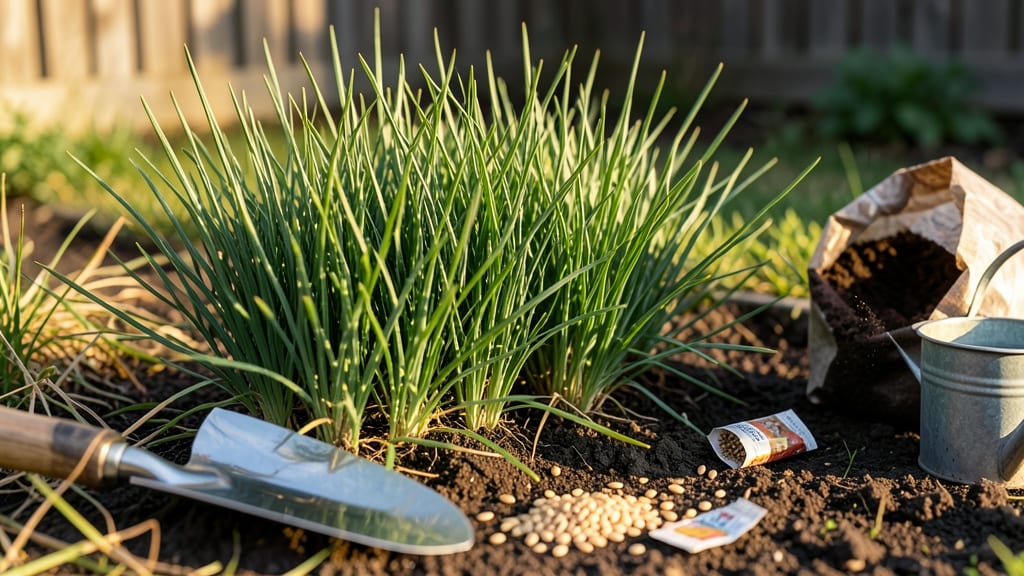
Planting fescue in Arkansas at the right time means the difference between a thick, green lawn and a patchy, struggling mess.
Here’s the thing: Arkansas gardeners know timing is everything when planting cool-season grasses like fescue 🌱—get it wrong, and you risk weak growth or frost damage. But with the right frost-free window and soil temperature data, you can plant at the perfect moment for lush, resilient turf.
In Arkansas’s 7a-8b zones, the ideal window is late summer to early fall (August–October) or early spring (March–April). That’s when soil temps hit the 50–65°F sweet spot for seed germination, and the weather cooperates without scorching heat or early frosts.
Below, I’ll break down the exact dates by region, soil prep tips to avoid common mistakes, and how to keep your fescue thriving once it’s in the ground.
Optimal soil temperature ranges for planting fescue in Arkansas
Planting fescue grass in Arkansas requires precise timing, especially when it comes to soil temperature. For seed germination and strong root establishment, aim for soil temps between 50°F and 65°F. This range ensures your seeds sprout consistently without stress from extreme heat or cold.
In my experience, fall planting often yields the best results because Arkansas' cool-season climate naturally aligns with these ideal conditions.
Fescue thrives in USDA Zones 7a-8b, which covers most of Arkansas. However, northern Arkansas (like Fayetteville) cools faster than southern regions (like Texarkana). This means your planting window might shift by 2-3 weeks depending on where you live. Always check local frost dates to adjust your schedule accordingly.
Before planting, test your soil temperature using a simple soil thermometer. Insert it 2-3 inches deep—the depth where fescue seeds will germinate. If temps are below 50°F, wait a few days or even weeks.
Planting too early in late summer heat can cause seeds to dry out or fail to sprout. Patience here pays off with a thicker, healthier lawn.
Here’s a quick reference for Arkansas-specific planting windows based on soil temperature and regional variations:
If you’re planting in late summer (July-August), monitor soil temps closely. Above 70°F can stress seeds, leading to poor germination. I’ve seen success with shade cloth or evening watering to keep seeds cool during these hot months.
For fall planting, aim to finish by October 1st in northern Arkansas to avoid early frosts that can damage young seedlings.
To test your soil temperature, use a digital soil thermometer (available for under $10). Check temps in the late afternoon when soil is warmest.
If temps are too high, wait a few days or water the soil to cool it down. Consistency is key—fescue seeds need stable moisture and temps to sprout reliably.
Another critical factor is soil moisture. Fescue seeds need consistent moisture to germinate, but avoid waterlogging. Keep the top 1-2 inches of soil damp until germination (about 10-21 days).
Mulching with straw helps retain moisture and regulate soil temperature. I’ve found that light mulch also protects seeds from late summer heat spikes.
For spring planting, wait until soil temps rise above 50°F consistently. In Arkansas, this typically happens by mid-March in southern regions and late March in the north.
Planting too early risks frost damage or seeds washing away during heavy rains. Always check the 10-day forecast for stable temps before starting.
Pro tip: If you’re unsure about soil temps, use a seedling heat mat for a few days after planting. These mats keep soil warm and can help kickstart germination in cooler-than-ideal conditions.
Just remove them once seeds sprout to avoid overheating. With the right soil temperature and care, your fescue lawn will establish quickly and outperform neighbors’ grass.
Arkansas frost-free window: critical planting dates by region
Timing your fescue planting in Arkansas depends heavily on your frost-free window, which varies dramatically across the state. Northern regions like Fayetteville experience earlier frosts, while southern areas near Texarkana enjoy extended growing seasons. Understanding these regional differences ensures your cool-season grass establishes strong roots before winter arrives.
For optimal fescue growth, aim to plant 4-6 weeks before the average first frost date. This window allows seedlings time to develop before cold temperatures set in. In Arkansas, this typically means late summer to early fall (August-October) or early spring (March-April), depending on your location.
| Region | Avg. Last Frost | Avg. First Frost | Best Planting Window | Microclimate Tip |
|---|---|---|---|---|
| North Arkansas (Fayetteville) | March 15 | November 1 | August 15 - September 15 | Higher elevations? Plant 2 weeks earlier |
| Central Arkansas (Little Rock) | March 22 | November 10 | August 20 - September 30 | Urban areas stay warmer - extend window |
| South Arkansas (Texarkana) | March 28 | November 20 | September 1 - October 15 | Lower elevations? Plant closer to October |
Elevation plays a crucial role in Arkansas's frost-free window. For every 1,000 feet increase in elevation, temperatures drop about 3.5°F. If you're planting in the Ozark Mountains, adjust your timeline by 1-2 weeks earlier than the regional averages shown above.
Use a soil thermometer to verify temperatures are consistently above 50°F before planting.
Spring planting offers a second chance for fescue establishment, but requires patience. Wait until 6 weeks after your area's average last frost date to plant. This ensures soil temperatures remain ideal for seed germination (50-65°F).
In northern Arkansas, this typically means mid-April, while southern regions can start as early as late March.
Microclimates can extend or shorten your planting window. South-facing slopes receive more sunlight and stay warmer, while north-facing areas may need 2-3 weeks earlier planting. Urban heat islands in Little Rock can push frost dates back by 1-2 weeks, while rural areas may experience earlier frosts.
Always monitor local weather forecasts and adjust your planting schedule accordingly.
Remember, fescue thrives when planted in cool but not freezing conditions. By aligning your planting with these regional frost-free windows and adjusting for local conditions, you'll give your lawn the best possible start for year-round resilience. 🌱