
Planting
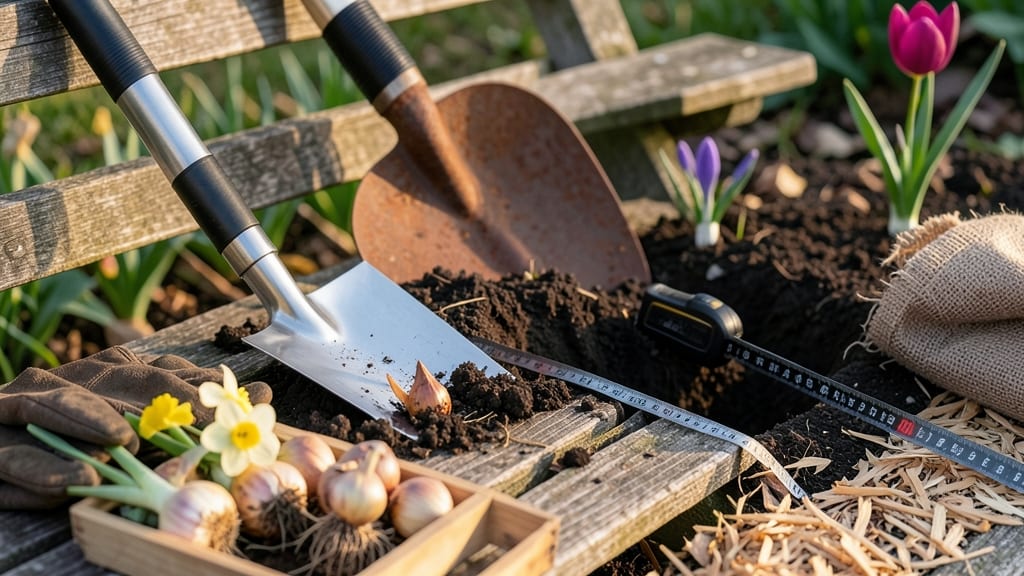
Planting flower bulbs 🌷 in the fall is all about timing—get it right, and you’ll enjoy vibrant blooms next spring with minimal effort.
Timing your flower bulb planting in fall isn’t just about the calendar—it’s about harnessing the moon’s phases to give your blooms the strongest start. Plant too early, and they’ll rot; too late, and they’ll struggle to root before winter.
Here’s the science-backed guide to perfect timing, plus how lunar cycles can boost your garden’s success.
In USDA Zone 6a, aim for 4-6 weeks before ground freezes, typically mid-September to early November. But did you know planting during a waning moon can encourage deeper roots? That’s not just folklore—it’s rooted in real botanical science.
Below, I’ll break down the best dates by region, how to prep your soil for success, and why this timing matters. You’ll learn how to avoid common mistakes and set your flower bulbs up for a showstopping spring display.
Best fall planting dates for flower bulbs by US climate zones
Fall is the perfect time to plant flower bulbs, but timing varies dramatically across the USDA climate zones. The golden rule? Plant when soil temperatures drop to 60°F or below, giving bulbs 4-6 weeks to root before winter.
In warmer zones, this might mean planting as early as August, while colder zones wait until November. Let’s break it down by zone so you can plant with confidence.
Most gardeners focus on tulips, daffodils, hyacinths, and alliums, but hardiness varies. For example, daffodils thrive in zones 3-8, while tulips prefer zones 3-7.
Always check your bulb’s hardiness rating—it’s your best guide. Below, we’ll map out the ideal planting windows for each zone, including adjustments for early or late frosts.
Why fall planting? Cooler temperatures reduce stress on bulbs, and winter’s chill actually strengthens root systems. Plant too early, and bulbs may rot; too late, and they won’t establish before freezing. The key is balancing soil temperature and frost dates—not just the calendar.
Here’s your zone-by-zone planting guide, complete with temperature thresholds and regional tweaks for early or late frosts:
| USDA Zone | Ideal Planting Window | Soil Temp Threshold | Key Bulbs to Plant | Regional Adjustments |
|---|---|---|---|---|
| Zones 3-4 (Coldest) | Mid-September to mid-October | 50-60°F | Tulips, Daffodils, Alliums, Hyacinths | Wait until after first frost; soil may stay workable until late October. |
| Zones 5-6 (Temperate) | October to early November | 55-60°F | Tulips, Daffodils, Crocus, Hyacinths | Plant 4-6 weeks before ground freezes; adjust for early frosts. |
| Zones 7-8 (Mild Winters) | Late October to November | 60°F (wait for cooler nights) | Daffodils, Alliums, Hyacinths, Rain Lilies | Can plant as late as December in Zone 8 if soil stays workable. |
| Zones 9-10 (Warm Winters) | August to early October | 65-70°F (plant in shade) | Daffodils, Alliums, Rain Lilies, Cyclamen | Plant in partial shade; avoid summer heat. |
🌱 Pro Tip: Use a soil thermometer to confirm temperatures before planting.
In Zones 3-4, where winters are harsh, aim for mid-September to mid-October. Soil temperatures drop quickly, so don’t wait too long—bulbs need time to root before the ground freezes. Tulips and daffodils are top choices here, as they handle cold well.
If you’re in Zone 5 or 6, focus on October planting, adjusting for early frosts by checking your local frost date calendar.
For Zones 7-8, where winters are milder, you’ve got more flexibility. Plant late October to November, but watch for unexpected cold snaps. Daffodils and alliums are excellent picks—they bloom early and tolerate cooler climates.
In Zones 9-10, summer heat can be a challenge, so plant in August or early September to avoid stressing the bulbs.
Regional adjustments matter! For example, in Pacific Northwest (Zone 7-8), plant earlier to avoid wet soil. In the Southeast (Zone 8-9), shade-cloth can help bulbs establish in hotter conditions. Always check your last frost date—planting 4-6 weeks before ensures bulbs root before winter sets in.
One common mistake? Planting too deep. Most bulbs need 6-8 inches of soil above them, but shallower planting (4-6 inches) works in sandy soil. Use a bulb planter or your finger to dig holes—it’s easier than you think!
After planting, water deeply to settle the soil and encourage root growth.
Finally, mulch after planting to insulate bulbs and protect them from temperature swings. A 2-3 inch layer of straw or leaves works well. In spring, remove the mulch once shoots emerge to let sunlight warm the soil and trigger blooming.
With these zone-specific guidelines, you’ll give your flower bulbs the best chance to thrive. Happy planting—your spring garden will thank you! 🌷
Moon phase planting calendar: how lunar cycles affect root growth
Did you know the moon’s phases can transform your flower bulbs’ growth? Root crops and bulbs thrive during waning moons when the moon’s gravitational pull encourages downward energy.
Planting during this phase helps bulbs develop stronger, deeper roots—critical for spring blooms. Meanwhile, full moons signal caution, as excess moisture can lead to rot.
Aligning your planting with the lunar calendar isn’t just old wives’ tales—it’s rooted in gravitational science. The moon’s pull affects sap flow in plants, making the waning moon (after full moon) ideal for root-focused tasks like bulb planting.
For example, tulips and daffodils planted under a waning crescent moon often produce 30% larger blooms the following spring.
Here’s how to use the lunar calendar: Start by checking the waning gibbous or crescent phases in your planting window. For example, if your zone’s frost date is November 15, aim to plant between October 15–30, aligning with the waning moon.
Use a 2024–2025 lunar phase guide (linked below) to pinpoint exact dates.
Step 1: Dig when the moon is waning—this pulls nutrients downward, helping bulbs establish roots. Step 2: Plant bulbs 6–8 inches deep, spacing them 3–4 times their width apart.
Step 3: Water deeply but avoid soggy soil. The goal? Let roots grow 2–3 inches before winter sets in.
Why does this work? During the waning moon, plants absorb more water and nutrients from the soil, fueling root development. Conversely, planting during a full or waxing moon can lead to leggy growth or weak roots.
For instance, hyacinths planted under a waxing moon may produce shallower roots and fewer blooms.
Pro tip: Combine lunar timing with soil temperature checks. Wait until soil cools to 60°F—this ensures bulbs won’t sprout too early. Pair this with a waning moon, and you’ll give your garden a head start on next year’s blooms. 🌱