
Planting
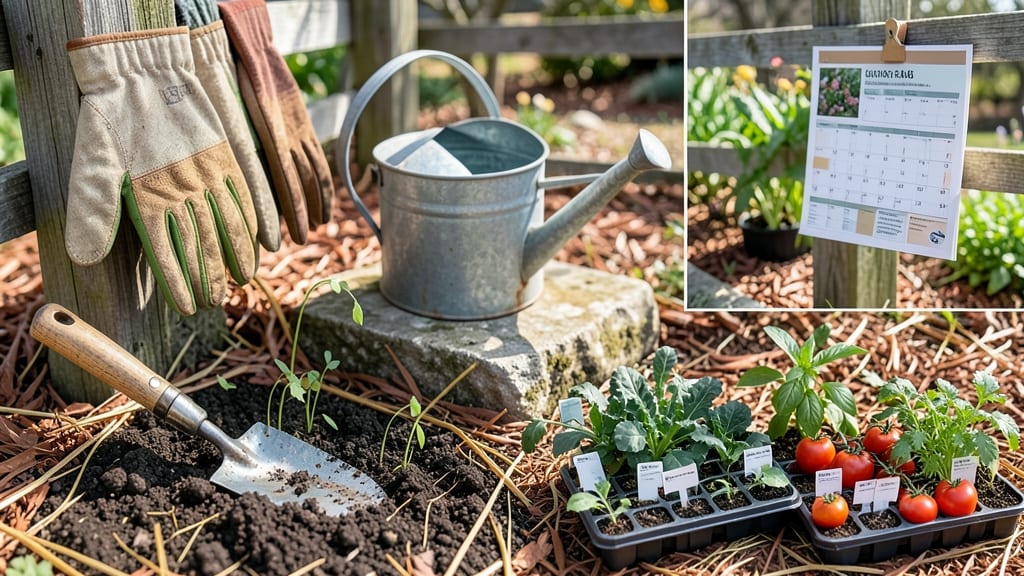
To plant a garden in Colorado, timing is everything—your last frost date and elevation decide whether your seeds sprout or freeze. 🌱
Colorado’s diverse microclimates—from high-altitude mountains to arid plains—can turn gardening timing into a guessing game. Plant too early, and frost will strike; too late, and your harvest may never arrive. Here’s the exact planting schedule tailored to Colorado’s unique zones, ensuring your garden thrives year after year.
Whether you’re in Denver’s Zone 5, the Western Slope’s Zone 6-7, or the Eastern Plains’ Zone 4, knowing when to start seeds indoors or sow directly outdoors makes all the difference. Miss the window, and you might end up with leggy seedlings or stunted growth.
Below, I break down the best months for cool-season crops (like peas and kale), warm-season staples (tomatoes and peppers), and perennials—plus pro tips to extend your growing season without risking frost. Let’s get your Colorado garden off to the right start!
Colorado planting zones: when to start seeds and transplant by elevation
Colorado’s USDA hardiness zones 4-8 create a gardening puzzle, especially with elevation shifts that can change frost dates by weeks. At 5,280 feet in Denver, your last frost might be April 15, while 7,000-foot Boulder could see frost linger until May 10.
Understanding these zones helps you time seed starts and transplants perfectly for your microclimate.
High-altitude gardens (like Colorado Springs) face cooler soils and shorter growing seasons, while Western Slope areas (e.g., Grand Junction) enjoy earlier springs and longer summers.
Even within cities, neighborhoods can vary by 100+ days in frost-free periods. Let’s break down optimal planting windows for seeds vs. transplants across Colorado’s key regions.
Pro Tip: Use row covers or cold frames to extend your planting window by 2-4 weeks in high-altitude zones (5-7). These tools create a microclimate that protects tender seedlings from unexpected late frosts.
For cool-season crops like kale or peas, start seeds 6-8 weeks before your last frost date. In Denver (Zone 5-6), that means March 1-April 15 for indoor starts. Warm-season plants like tomatoes and peppers need soil temperatures above 50°F, so wait until after May 15
Best month-by-month planting calendar for Colorado gardens
Colorado’s short growing season and variable frost dates demand precision when planning your garden. Unlike coastal regions, our high elevations and dry climates create unique windows for planting. Whether you're growing cool-season greens or heat-loving tomatoes, timing is everything.
Below is a month-by-month breakdown tailored to Colorado’s Front Range, Western Slope, and Eastern Plains—adjust based on your local last frost date.
For Denver/Boulder (Zone 5-6), aim for mid-April to late May for warm-season crops, while Grand Junction (Zone 6-7) can start slightly earlier. Mountain gardens may need to wait until late May or June due to lingering snow.
Always check soil temperature—50°F+ is ideal for most seeds. Let’s dive into the monthly schedule that will maximize your harvest.
🌱 Colorado Planting Calendar by Month
- March: Start indoor seeds (tomatoes, peppers, herbs) 6-8 weeks before last frost. Plant hardy perennials like asparagus and rhubarb. Cold-hardy veggies (spinach, kale) can go in protected beds if soil isn’t frozen.
- April: Direct-sow peas, lettuce, and radishes after soil warms to 40°F+. Transplant broccoli and cabbage seedlings. Begin succession planting for greens every 2 weeks.
- May: Plant warm-season staples (tomatoes, peppers, beans) after last frost (April 15 in Denver, May 15 in mountains). Mulch heavily to retain moisture in dry Western Slope gardens.
- June: Sow heat-tolerant crops (okra, sweet potatoes) and herbs (basil, cilantro). Watch for pests like squash bugs—use row covers if needed.
- July: Plant fall crops (kale, carrots) for harvest before first frost. Succession plant bush beans every 3 weeks. Water deeply 2-3x/week to combat drought.
- August: Direct-sow cool-season veggies (spinach, peas) for fall harvest. Transplant broccoli and cauliflower seedlings. Extend season with row covers.
- September: Last chance for fast-maturing crops (radishes, lettuce). Plant garlic and onions for next year. Mulch heavily to protect roots from early frosts.
- October-November: Clean up garden beds. Plant winter rye or cover crops to prevent erosion and improve soil.
For high-altitude gardens (e.g., Aspen, Vail), delay planting until after June 1stblack plastic mulch to warm soil faster in these areas. On the Western Slope, prioritize drought-resistant plants like Russian sage or zucchini—they thrive with minimal irrigation once established.
Pro tip: Succession planting is your best friend in Colorado. By staggering lettuce, radishes, and bush beans every 2 weeks, you’ll ensure a continuous harvest from May through October.
Start with fast-growing crops (radishes in 30 days!) to test your soil and timing before committing to longer-season plants like tomatoes.
Remember, Colorado’s frost dates vary wildly—even within the same city. Use a local weather app or Almanac’s frost calculator to fine-tune your schedule. With this calendar, you’ll avoid the common mistake of planting tomatoes too early (they’ll bolt) or kale too late (it’ll freeze). Happy planting!