
Plants
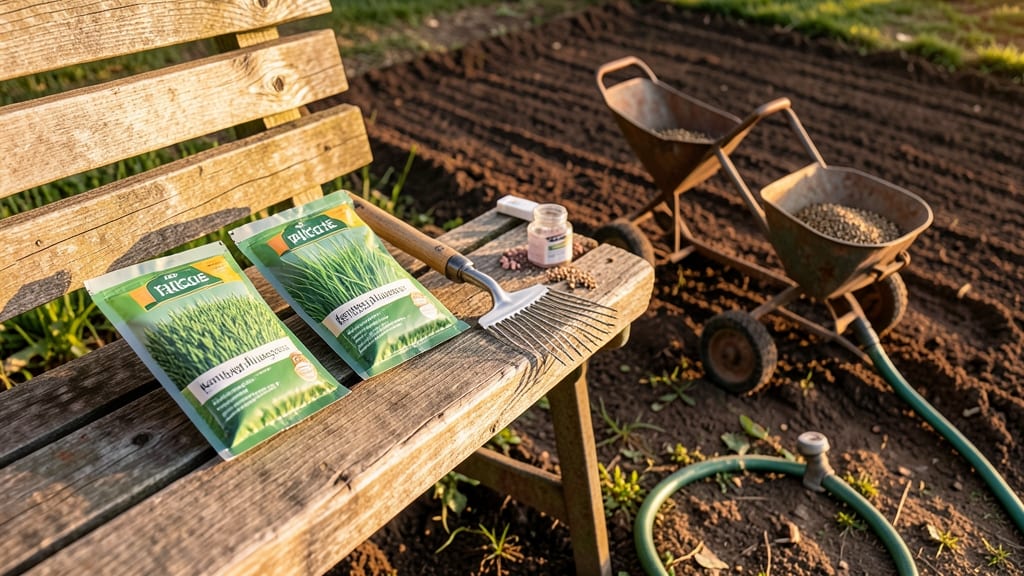
Planting grass seed in Kansas City works best in early spring or early fall 🌱 — timing that lets the grass establish strong roots before summer heat or winter dormancy sets in.
Struggling with patchy lawns in Kansas City? Timing is everything when planting grass seed—get it wrong, and weeds will take over before your new grass even sprouts. The key is planting when soil temperatures are cool but not freezing, giving your grass the best chance to thrive.
Kansas City’s USDA Zone 6a climate means you’ve got a short window between the last frost (around April 15) and the summer heat. Early fall is another great time, as cooler temps slow weed growth and help your new lawn compete.
Below, I’ll break down the exact months to plant, how to prep your soil, and what to watch for in Kansas City’s unpredictable weather. Ready to grow a thick, weed-resistant lawn? Let’s get started.
Best planting windows for Kansas City’s cool-season grasses (and why timing matters)
Kansas City’s USDA Zone 6a climate creates perfect conditions for cool-season grasses like tall fescue and Kentucky bluegrass—but only if you plant at the right time.
The ideal windows are early fall and spring, when soil temperatures hover between 55°F and 75°F, encouraging strong root growth before extreme heat or cold sets in. Missing this window? You’ll end up battling weeds or dealing with weak, patchy grass that never fully establishes.
Why does timing matter so much? Cool-season grasses thrive when days are cooler but still warm enough for germination. Plant too early in spring, and your seeds may rot in cold, wet soil. Plant too late in summer, and the intense heat and drought will stress young seedlings.
Even Kansas City’s urban vs. rural microclimates play a role—urban areas stay 5-10°F warmer at night, which can delay germination if you’re not careful.
Here’s the golden rule: Seed in early fall (September) or early spring (March-April), when the ground is warm but air temperatures are mild. This gives your grass 4-6 weeks of growth before summer’s heat or winter’s freeze slows it down.
Let’s break down the best months for each variety and how to adjust for your specific location in the metro area.
| Planting Window | Grass Type | Soil Temp (°F) | Best Months (KC) | Urban vs. Rural Note |
|---|---|---|---|---|
| Early Fall | Tall Fescue | 60-70°F | September-October | Urban areas: Plant by mid-September to avoid heat stress. |
| Early Fall | Kentucky Bluegrass | 55-65°F | September | Rural areas: Can extend to early November if frost-free. |
| Early Spring | Fine Fescue Blends | 50-60°F | March-April | Both: Avoid planting after April 15 (last frost risk). |
| Late Summer (Risky) | All Cool-Season | 70-75°F (max) | August (only if irrigated) | Urban: Not recommended—heat stress kills seedlings. |
*Soil temp is measured 2-4 inches deep. Use a soil thermometer for accuracy.
If you’re planting in urban Kansas City, like Overland Park or Kansas City proper, aim for September 1-15 for early fall seeding. The city’s heat island effect can push soil temperatures higher, so monitor conditions closely.
Rural areas, like those in Wyandotte County, have cooler nights and can sometimes extend the window into early November—but only if frost isn’t forecasted within 4 weeks.
Spring planting is trickier. Cool-season grasses need the ground to warm up before germinating, so wait until mid-March at the earliest. If you plant in February, your seeds may sit dormant or rot in cold, wet soil.
Pro tip: Check the soil temperature (not air temp)—it should stay above 50°F for 5+ days before seeding. Use a soil thermometer or check local weather stations like the KC Weather Lab for real-time data.
What about late summer seeding? It’s possible, but risky. If you must plant in August, choose shade-tolerant varieties like fine fescue and commit to daily watering to keep soil moist. Even then, your grass may struggle to outcompete weeds before winter dormancy.
For most homeowners, early fall is the safest bet—it gives your lawn a full growing season before the first freeze.
One common mistake I see? Planting too late in fall and hoping for a spring rebound. Grass seeded in November or December won’t establish roots before winter, leaving it vulnerable to heaving (when soil freezes and lifts young plants).
Stick to the September-October window, and your grass will have 4-6 weeks of growth before dormancy sets in.
For best results, pair your planting window with proper soil prep: loosen the top 2-3 inches of soil, remove weeds, and add compost or starter fertilizer to boost early growth. Then, water light
How Kansas City’s weather patterns impact grass seed germination (and what to watch for)
Kansas City’s weather is famously unpredictable—one day you’re dealing with 90°F heatwaves, and the next, a sudden freeze warning can roll in by October. These swings make timing your grass seed planting a high-stakes game.
Cool-season grasses like tall fescue and Kentucky bluegrass need consistent moisture and moderate temperatures to germinate properly, so missing the window can leave your lawn vulnerable to weeds or poor establishment.
The biggest threats to your new grass aren’t just the extremes—they’re the unpredictable transitions between seasons. For example, planting too early in spring risks late frosts that can kill tender seedlings, while waiting too late means your grass struggles to establish before summer’s drought sets in.
Even a single week of 85°F+ temperatures after germination can stress young roots, stunting growth for weeks.
⚠️ ⚠️ WARNING: Kansas City’s Weather Pitfalls ⚠️
To beat these challenges, I recommend checking the National Weather Service’s 10-day forecast before planting. Aim for a stretch with consistent temps between 60°F–75°F and at least 0.5 inches of rain per week.
For spring plantings, wait until after the average last frost date (April 15), but don’t delay past May 1—after that, summer’s heat becomes a major hurdle.
Soil temperature is just as critical as air temperature. Use a soil thermometer to confirm your soil is between 55°F–65°F at 2 inches deep. If it’s cooler, wait; if it’s warmer, your seeds may dry out before sprouting.
Pro tip: Early morning is the best time to plant—soil is cooler, and you avoid the midday sun’s drying effect.
Once your grass is up, weed competition becomes your next battle. Crabgrass and chickweed germinate rapidly in warm, moist soil—exactly the conditions you’re creating for your new lawn.
Apply a pre-emergent herbicide 2–4 weeks before planting, then follow up with a light mulch of straw (not wood chips) to block weed seeds from reaching the soil. Water deeply in the morning to discourage fungal growth, and avoid walking on the new seedlings until they’re 3 inches tall.
If you’re planting in early fall (September–October), you’ll have an easier time because cooler temps slow weed growth and give your grass a head start before winter dormancy. Just be ready to cover seedlings with frost cloth if a freeze is forecasted before they reach 3 inches.
With the right timing and care, you can outsmart Kansas City’s weather and grow a lawn that’s thick enough to outcompete weeds naturally.