
Plants
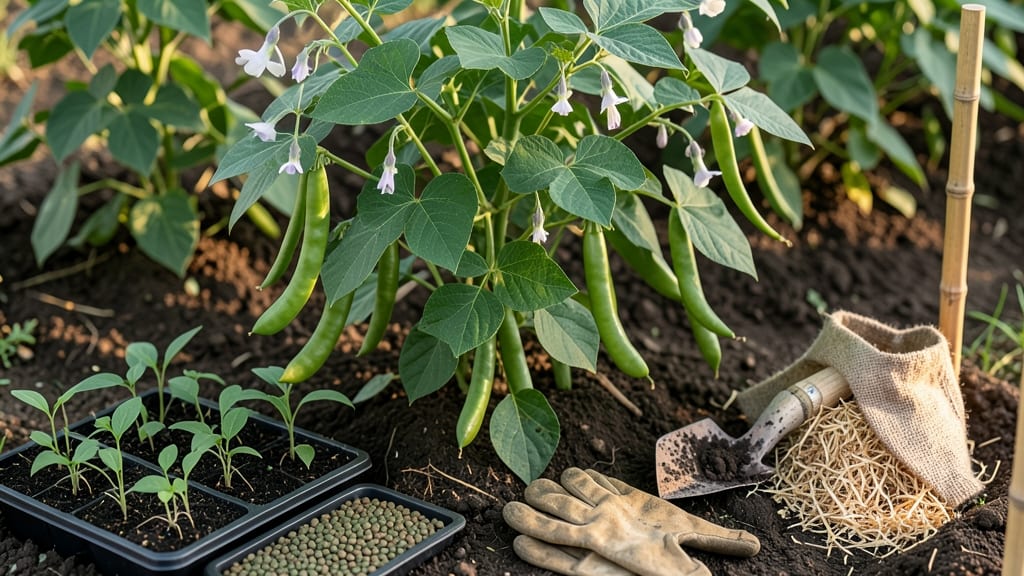
Planting green beans in Alabama at the right time ensures fast germination and a bountiful harvest—aim for when soil temperatures hit 60°F or higher, typically after the last frost.
Alabama’s warm climate and long growing season make it an ideal place for green beans—but planting them at the wrong time can mean slow germination or failed crops. Timing is everything when you want a bountiful harvest.
In North Alabama (USDA Zone 7a), you’ll want to start seeds indoors in early March or sow directly in mid-April, while South Alabama (Zone 8b) can plant as early as late February or March. Fall plantings work too, with late July to early September being the sweet spot.
Below, I’ll break down the best planting windows by region, how to check soil temperature for fast germination, and the top varieties that thrive in Alabama’s heat and humidity.
Best planting times for green beans in Alabama by region
Alabama’s diverse climate zones mean your planting window for green beans can vary dramatically from North to South Alabama. In cooler northern regions like Huntsville, you’ll need to time your plantings carefully to avoid frost, while Mobile or Birmingham gardeners enjoy extended growing seasons.
The key is planting when soil temperatures hit 60°F (15°C)—this ensures fast germination and healthy starts.
For most of Alabama, spring plantings begin in mid-March to early April after the last frost, while fall plantings should wrap up by early September to allow for a full harvest before cooler weather sets in.
However, regional microclimates—like urban heat islands or river valleys—can shift these windows by 1-2 weeks.
Here’s how to break it down by region, including soil temperature targets and frost-free windows to maximize your yield:
| Region | Spring Planting Window | Soil Temp Requirement | Fall Planting Window | Key Notes |
|---|---|---|---|---|
| North Alabama (e.g., Huntsville, Decatur) | Late March to mid-April | 60-65°F (15-18°C) | Late July to early August | Cooler nights; use row covers for early starts. |
| Central Alabama (e.g., Birmingham, Montgomery) | Mid-March to early April | 60-70°F (15-21°C) | Early to mid-August | Moderate humidity; watch for fungal diseases. |
| South Alabama (e.g., Mobile, Dothan) | Early March to late March | 65-75°F (18-24°C) | Mid-August to early September | Warmer soil; extend season with shade cloth. |
In North Alabama, where frosts linger until mid-April, I recommend starting seeds indoors in late February for a head start. Use black plastic mulch to warm the soil faster—this can shave off 1-2 weeks from your planting timeline.
For Central Alabama, where soil warms quickly, direct sowing in early March works well, but avoid planting too early if nights are still chilly.
Southern Alabama’s longer frost-free season (up to 240 days) lets you push the envelope. You can even try early February plantings in microclimates like Mobile’s coastal areas, where mild winters prevail.
Just be prepared for higher humidity, which may require more frequent watering and fungicide sprays if diseases like bean rust appear.
For pole beans, which take longer to mature, I always plant them 2-3 weeks earlier than bush beans. This gives them time to establish vines before the heat of June or July peaks.
In fall plantings, aim to finish by early September—any later, and your beans may struggle to mature before first frost hits in mid-November.
Pro tip: Use a soil thermometer to confirm readiness. If temps dip below 60°F (15°C), germination slows dramatically. In North Alabama, I’ve seen seeds take 3 weeks to sprout when planted too early, compared to 5-7 days in ideal conditions. Patience pays off—wait for the right window!
Don’t forget to stagger plantings every 2 weeks for a continuous harvest. This works especially well in Central and South Alabama, where the growing season stretches longer.
For example, plant one batch in early March, another in mid-March, and a final one in late March to ensure fresh pods all summer.
If you’re in a warmer microclimate—like near a lake or in an urban heat island—you might even squeeze in a third planting in late summer. Just monitor your plants closely for signs of heat stress, like wilting or yellowing leaves, and provide afternoon shade if needed.
Finally, choose heat-tolerant varieties like ‘Contender’ or ‘Blue Lake’ for Alabama’s summers. These varieties handle the 90°F+ (32°C+) temps better than cooler-climate types. Pair them with drip irrigation to keep roots cool and moisture consistent—this is non-negotiable in July and August.
How to check soil temperature for fast green bean germination
Green beans need warm soil to germinate quickly and thrive. In Alabama, soil temperatures below 60°F can delay sprouting for weeks, while ideal conditions between 60-85°F ensure fast, even growth. Checking your soil temperature before planting is the secret to avoiding slow starts and maximizing your harvest.
Even if the air feels warm, the ground might still be too cold for green beans. Cold soil is the #1 reason seeds fail to sprout promptly. Using a soil thermometer (just $10 at garden centers) gives you precise data to time your planting perfectly.
This small tool can save you from planting too early and risking poor germination.
🚨
⚠️ Danger Zone: Planting Too Early in Alabama
North Alabama gardeners often wait until mid-April for soil to warm, while South Alabama can plant as early as late February. But even then, morning frost or cool nights can drop soil temps below 55°F, stalling germination. Always check soil temp 2-3 inches deep—that's where seeds will be!
🌱 Pro Tip: Test soil temp at the same time daily (early morning) for consistency.
A soil thermometer is your best friend for timing green bean planting. Insert the probe 2-3 inches deep—where your seeds will be—and wait 30 seconds for an accurate reading.
For fast germination, aim for 65-75°F. If it's below 60°F, wait 1-2 weeks or use black plastic mulch to warm the soil faster.
If your soil is too cold but you're eager to plant, try these Alabama-friendly solutions:
- Black plastic mulch: Spread it 2-3 weeks before planting to raise soil temps by 10-15°F
- Row covers: Lightweight fabric lets sunlight through while trapping heat
- Straw mulch: Adds 5°F extra warmth and retains moisture
For fall plantings (July-September in Alabama), monitor soil temps closely—evenings can drop quickly. If temps fall below 60°F at night, use row covers to protect young plants. The goal? Keep soil consistently warm during the day and above 55°F at night for steady growth.
Remember: Fast germination = faster harvests. By checking soil temps and adjusting your planting schedule, you’ll enjoy crisp, flavorful green beans weeks ahead of neighbors who guessed wrong. Grab that thermometer and give your beans the perfect start!