
Companion Plants
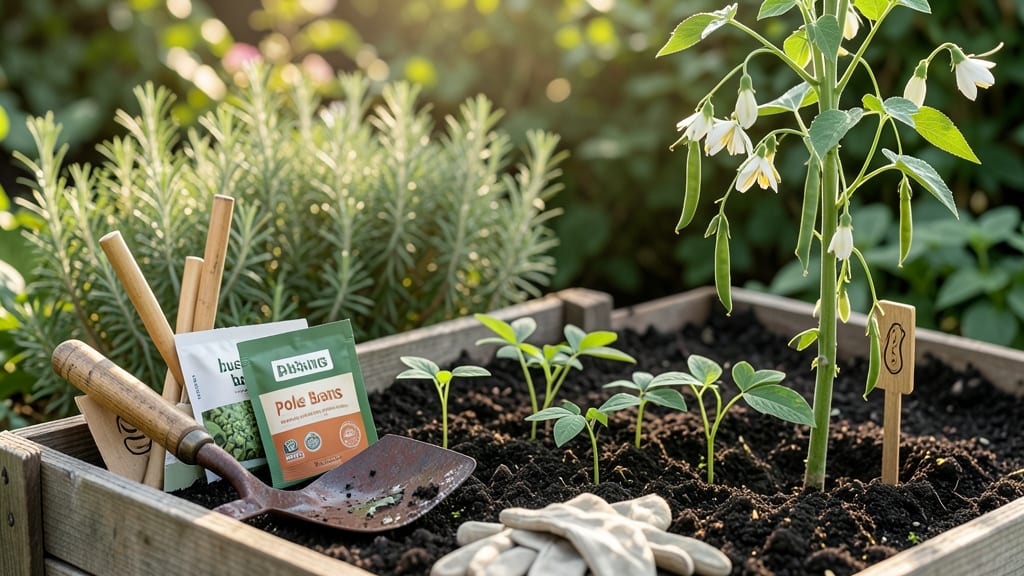
To plant green beans in Zone 7, aim for soil temperatures above 60°F—typically mid-April to May after your last frost, or late August for a fall harvest.
Struggling to get your 🌱 green beans to sprout reliably? Timing is everything—and soil temperature plays a bigger role than most gardeners realize. Plant too early, and your seeds rot; too late, and you miss peak harvests.
In Zone 7, where frost lingers until mid-March and heat arrives by June, the window for success is tight. But with the right approach—like testing soil warmth with a simple thermometer—you can speed up germination and stretch your harvest.
Below, I’ll walk you through the exact planting schedule for both bush and pole varieties, how to extend your season with succession planting, and the one trick that keeps your beans thriving even in cooler soil.
Best planting windows for green beans in Zone 7 by soil temperature
In Zone 7, green beans thrive when planted at the right time—specifically when soil temperatures hit 50°F or warmer. This rule prevents seed rot and ensures strong germination.
I’ve learned the hard way that planting too early (when soil is still cool) leads to weak seedlings, while waiting too long cuts harvest time. Let’s break down the perfect windows based on soil warmth and seasonal timing.
Green beans are sensitive to cold soil—ideal germination occurs at 60°F+. In Zone 7, this typically aligns with mid-April to early May for spring planting and late August to early September for fall harvests.
I always check soil temp with a soil thermometer to avoid guesswork. For direct-sown seeds, aim for 50°F minimum; transplants need 60°F+ for root establishment.
| Planting Window | Soil Temp Requirement | Method | Notes |
|---|---|---|---|
| Early Spring (Direct-Sown) | 50°F+ (after last frost) | Seeds | Use black plastic mulch to warm soil faster. Plant 2-3 weeks after last frost. |
| Late Spring (Transplants) | 60°F+ | Transplants | Hardier varieties like 'Blue Lake' handle cooler soil better. Transplant after soil warms. |
| Fall Succession | 55°F+ | Seeds | Plant 8-10 weeks before first frost (early Sept in Zone 7). Use cold-tolerant varieties like 'Contender'. |
| Late Fall (Risky) | 60°F+ | Seeds | Only attempt if your fall is mild. Use row covers for protection. |
For spring planting, I recommend starting with direct-sown seeds in early April if your soil warms quickly. If your garden runs cool, wait until mid-April when soil hits 55°F+. I’ve had success using black plastic mulch to raise soil temps by 5-10°F, letting me plant earlier.
For transplants, wait until soil is 60°F+—this usually aligns with late April to early May.
Fall planting is my favorite trick for extended harvests. In Zone 7, aim to sow seeds 8-10 weeks before your first frost (typically early September). Choose cold-tolerant varieties like 'Contender' or 'Provider', which handle 55°F soil better than standard types.
I always test soil temp with a cheap digital thermometer ($10 at garden centers) to avoid surprises.
If you’re new to soil temperature checks, here’s my pro tip: Bury the thermometer 2 inches deep (where seeds will be) and leave it for 30 minutes to get an accurate reading.
I check temps morning and evening—soil warms faster in direct sun. For pole beans, which take longer to mature, plant 2 weeks earlier than bush varieties to maximize harvest time.
One common mistake I see is planting green beans too close to frost dates. Even if soil is warm, a light frost can kill seedlings. In Zone 7, I never plant later than mid-September for fall harvests.
For succession planting, stagger seeds every 2 weeks in spring and 3 weeks in fall to keep pods coming. This works especially well for bush beans, which mature faster than pole varieties.
For container gardening, soil warms faster in pots, so you can plant 1-2 weeks earlier than in-ground. Just ensure pots have drainage holes and use lightweight potting mix. I’ve grown green beans in 12-inch pots with great success, using trellises for pole varieties to save space.
Always keep containers consistently moist—drying out kills seedlings faster than cold soil.
Remember, soil temperature matters more than air temperature. A sunny 70°F day with 45°F soil will fail, while a cloudy 60°F day with 55°F soil can work. I test soil temp for 3 consecutive days before planting to confirm consistency.
This small step has doubled my germination rates over the years. For Zone 7 gardeners, mark your calendar for April 15 and September 1 as your target dates—adjust based on your microclimate.
Finally, mulch is your best friend for extending planting windows. A 2-inch layer of straw or grass clippings keeps soil warm longer in spring and cooler in fall. I’ve pushed my fall planting window by 2 weeks using mulch, giving me an extra harvest before frost.
Pair this with row covers for early/late plantings, and you’ll maximize your green bean yield in Zone 7.
How to extend your green bean harvest with succession planting in Zone 7
Succession planting is the secret to a never-ending supply of fresh green beans in Zone 7. Instead of planting once and hoping for the best, you’ll plant multiple batches 2-3 weeks apart to ensure a steady harvest all season long.
This method works especially well for both bush beans and pole beans, giving you flexibility depending on your garden space and goals.
In Zone 7, where the growing season is roughly 180 frost-free days, timing is everything. Start your first batch in mid-April when soil temperatures hit 60°F, then repeat every 2 weeks until early July.
For a fall harvest, your last batch should go in by late August to mature before the first frost in mid-November.
For bush beans, which mature faster (about 50-60 days), you can squeeze in 3-4 plantings in spring. Pole beans, on the other hand, take longer (about 60-70 days) but produce more over time, so limit yourself to 2-3 plantings in spring.
Pair pole beans with a trellis system to save space and improve air circulation, reducing the risk of disease.
Spacing is critical to avoid overcrowding, which can lead to poor air flow and disease outbreaks. Plant bush beans in rows 18-24 inches apart with 4-6 inches between plants.
For pole beans, space rows 24-30 inches apart and plants 4-5 inches apart at the base of the trellis. Thin seedlings to the recommended spacing once they’re 3-4 inches tall to give roots room to grow.
To make succession planting even easier, prepare your soil in advance by adding compost or aged manure to improve drainage and fertility. Green beans thrive in well-draining soil with a pH of 6.0-7.0.
After planting each batch, mulch with straw or grass clippings to retain moisture and suppress weeds. This low-maintenance step will save you time and keep your beans happy between waterings.
With this strategy, you’ll enjoy a continuous harvest from early June through October—no more sad, wilted beans sitting in your garden! The key is consistency: stick to the 2-3 week intervals, monitor soil moisture, and watch your green bean bounty grow.