
Plants
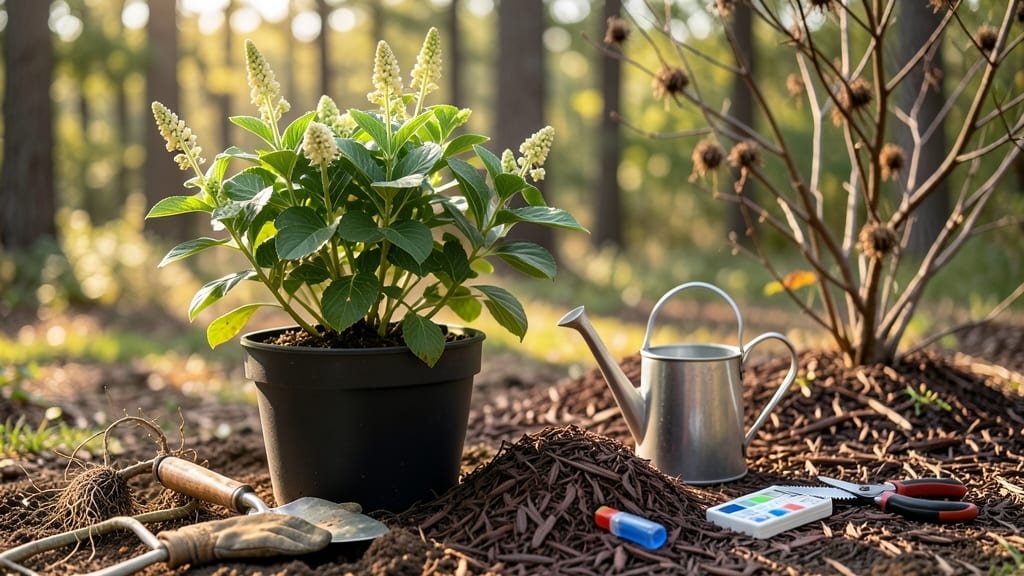
To plant hydrangeas in Kansas, aim for early spring or fall when soil temperatures are mild and frost risks are low — typically between April 15 and May 15 or September 15 and October 15.
Miss that window, and your 🌸 hydrangeas could struggle through Kansas’ unpredictable swings from freezing nights to 90-degree days. The key is knowing your exact USDA zone (6b-7a) and adjusting for microclimates — whether you’re in the humid east or the drier west.
Bigleaf, oakleaf, and panicle varieties all thrive in Kansas, but their planting deadlines shift with local frost data. For example, Wichita’s last frost often hits by April 10, while Topeka may wait until April 20.
Below, I break down the exact planting windows, soil prep tips for Kansas’ clay-heavy soil, and how to protect young hydrangeas from wind or urban heat islands. Ready to get those blooms off to the right start?
Kansas hydrangea planting deadlines by USDA Zone 6b-7a (with frost risk charts)
Getting your hydrangeas planted at the right time in Kansas is critical—especially in USDA Zones 6b-7a, where frost dates can shift dramatically between western and eastern regions. The average last frost date in Kansas ranges from April 1-15, while the first frost typically arrives between October 10-20.
Missing these windows can leave your bigleaf, panicle, or oakleaf hydrangeas vulnerable to transplant shock or winter damage.
Spring planting offers the longest frost-free window (165-200 days), but fall planting—if done correctly—can give your hydrangeas a head start. The key is understanding microclimate variations: Eastern Kansas (like Kansas City) tends to warm earlier than western areas (like Hays), so adjust your timeline accordingly.
Here’s your Kansas hydrangea planting timeline broken down by zone and variety, including frost risk charts to guide your decisions:
For spring planting, aim to get your hydrangeas in the ground 4-6 weeks before your last frost date. This gives roots time to establish before summer heat arrives.
In Zone 6b (western Kansas), this means April 15–May 15, while Zone 7a (eastern Kansas) can start slightly earlier (April 1–May 10). Use mulch immediately after planting to retain moisture and protect roots.
Fall planting is trickier but can be 20% more successful if timed right. Hydrangeas need 4-6 weeks of warm soil before the first frost to root properly. In Zone 6b, plant between September 15–October 5, while Zone 7a can extend to October 10.
Water deeply once a week after planting to encourage root growth before winter dormancy.
Panicle hydrangeas are the most frost-tolerant and can handle late spring plantings (up to June 1) if you use row covers for the first two weeks. Bigleaf hydrangeas, however, are sensitive to late frosts and should never be planted after May 15 in Zone 6b. Oakleaf hydrangeas strike a balance and can handle fall planting until October 5 in both zones.
Check your local Kansas State University Extension frost charts for real-time updates—some years, a late frost can push your last frost date into early May. If you’re unsure, use burlap wraps or frost cloth for the first two weeks after planting to give young plants a safety net.
Pro tip: Amend your soil with compost or peat moss 6 weeks before planting to improve drainage—Kansas’ clay-heavy soils can suffocate hydrangea roots. Aim for a pH of 5.5–6.2 for blue blooms or 6.0–7.0 for pink/white flowers.
Microclimate adjustments for Kansas hydrangeas: heat zones, soil types, and urban vs. rural planting
Kansas' dramatic climate shifts—from the humid eastern forests to the dry western plains—create unique challenges for hydrangeas. These shrubs thrive in USDA Zones 6b-7a, but microclimates within these zones demand tailored adjustments.
In eastern Kansas, higher humidity and clay-heavy soils require different prep than the western regions with sandy loam and intense afternoon sun.
Urban gardeners face additional hurdles like the urban heat island effect, where pavement and buildings trap heat, while rural areas contend with strong winds that dry out soil. Understanding these variations lets you optimize planting spots, soil amendments, and protective measures to ensure your hydrangeas flourish year-round.
🌱 Key Adjustments: Eastern Kansas needs more organic matter to break up clay, while western areas benefit from windbreaks and drip irrigation. Urban spaces often require container planting or raised beds to escape heat stress.
| Microclimate Type | Soil Prep | Wind Protection | Urban Adjustments |
|---|---|---|---|
| Eastern Kansas (Humid) | Add 3" compost + gypsum | None needed | Use containers with heat-reflective paint |
| Western Kansas (Dry) | Mix perlite + peat moss | Plant near fences or shrubs | Drip irrigation + mulch |
| Urban Heat Islands | Raised beds with coco coir | Tall privacy screens | White mulch for reflectivity |
For clay-heavy eastern soils, I recommend amending with gypsum to improve drainage and adding aged compost to retain moisture. In western Kansas, where soils are sandier, mix in organic matter like leaf mold to boost water retention. Always test your soil's pH—hydrangeas prefer 5.2-6.2 for optimal color.
Urban gardeners should prioritize container planting or raised beds to escape the urban heat island effect. Use lightweight, breathable pots with heat-reflective paint and place them in morning sun to avoid afternoon heat. Add hydrogel crystals to potting mix for extra moisture retention during Kansas' scorching summers.
Wind protection is critical in rural areas, especially near open fields. Plant hydrangeas near natural windbreaks like evergreens or construct a living fence with fast-growing shrubs. In exposed locations, use burlap wind screens during the first growing season to shield young plants from drying winds.
Pro tip: Monitor your hydrangeas' leaf color—yellowing in eastern Kansas often signals iron deficiency from compacted clay, while browning in western areas may indicate underwatering. Adjust care accordingly to keep your shrubs thriving across Kansas' diverse landscapes.