Plants
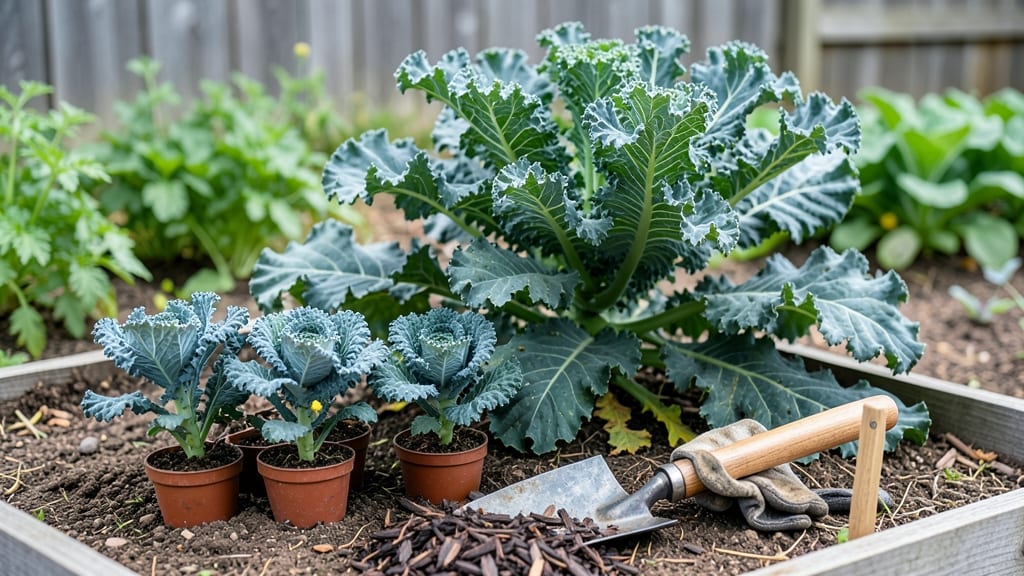
Planting kale in Seattle means timing it right to dodge frost and stretch harvests from spring to fall—here’s the exact window to lock in success.
Seattle’s unpredictable weather can turn kale planting into a gamble—unless you know the exact timing to avoid frost damage and maximize harvests. With the right microclimate strategy, you can grow cold-hardy kale year-round, even in the city’s coolest pockets.
Most gardeners in Zone 8a plant kale in early spring (March) or late summer (August) for fall harvests, but Seattle’s microclimates—like urban heat islands or sheltered valleys—shift those dates by weeks.
A late frost in April or an early chill in October can wipe out young plants if you’re not prepared.
Below, I’ll break down the ideal planting windows for your specific Seattle location, how to protect kale from frost, and when to succession-plant for nonstop harvests. No more wasted seeds or bolted greens!
Seattle’s best planting windows for kale by microclimate Zone
Seattle’s three distinct microclimates—urban, suburban, and rural—create wildly different growing conditions for kale. Urban areas near Puget Sound experience milder winters, while inland suburban zones face colder snaps, and rural areas often enjoy longer frost-free seasons.
Understanding these zones helps you time plantings for zero-frost success, whether you’re aiming for spring greens or winter harvests.
Kale thrives in USDA Zone 8a-9a, but Seattle’s last spring frost typically arrives around March 15, while the first fall frost hits by November 15. Soil temperatures below 40°F (4°C) slow growth, so timing plantings around these thresholds is critical.
Below, I’ve broken down the optimal planting windows for each microclimate, including adjustments for succession planting and winter harvests.
📌 Pro Tip: Use a soil thermometer to confirm temperatures before planting. Kale seeds germinate best in soil 45°F (7°C) or warmer, while transplants tolerate cooler 35°F (2°C) soils.
| Microclimate | Spring Planting Window | Fall Planting Window | Soil Temp Threshold | Frost Risk |
|---|---|---|---|---|
| Urban (e.g., Ballard, Fremont) | Late March to early April (soil 45°F+) | Late July to mid-August (6 weeks before frost) | 45°F (7°C) for seeds, 35°F (2°C) for transplants | Moderate (late frosts possible) |
| Suburban (e.g., Bellevue, Kirkland) | Mid-April (soil 50°F+) | Early August (8 weeks before frost) | 50°F (10°C) for seeds, 40°F (4°C) for transplants | High (colder nights) |
| Rural (e.g., Woodinville, Snohomish) | Early April (soil 40°F+) | Mid-August (10 weeks before frost) | 40°F (4°C) for seeds, 30°F (-1°C) for transplants | Low (longer frost-free season) |
| All Zones (Winter Harvest) | Late August to September (hardy varieties) | Ongoing until November 15 (with protection) | 35°F (2°C) minimum for growth | Varies (use row covers) |
For urban gardeners, prioritize late March plantings to avoid late frosts that can damage young seedlings. In suburban areas, wait until mid-April when soil warms to 50°F (10°C)—this reduces the risk of soil-borne diseases that thrive in cooler, damp conditions.
Rural gardeners enjoy the most flexibility, with early April plantings often yielding robust harvests by summer.
Fall plantings are where Seattle’s microclimates truly shine. Urban areas can push plantings until mid-August, while suburban zones should aim for early August to ensure maturity before the first frost.
Rural gardeners can extend this window to mid-August, thanks to their later frost dates. Succession planting every 2-3 weeks after your initial window keeps your harvests consistent.
Winter harvests are possible with cold-hardy varieties like Winterbor or Red Russian. Plant these in late August to September, then protect them with row covers or cold frames once temperatures dip below 35°F (2°C).
I’ve had success overwintering kale in Ballard’s urban microclimate, harvesting crisp leaves straight from the garden in December and January.
Adjust your planting schedule if you notice unseasonable warmth or early cold snaps. Seattle’s weather can shift dramatically—check the National Weather Service’s Seattle forecast for real-time updates. For example, if a heatwave pushes April temperatures into the 80s°F, delay planting until soil cools to avoid bolting (premature flowering).
Soil preparation is just as critical as timing. Amend your beds with compost or aged manure to improve drainage, especially in urban soils that may compact easily. Kale prefers slightly acidic to neutral soil (pH 6.0-7.0), so test your soil before planting.
In suburban and rural areas, raised beds can extend your growing season by warming up faster in spring.
Remember, kale’s harvest window spans 50-75 days to maturity, depending on the variety. For a continuous supply, stagger plantings every 2-3 weeks from spring through early fall. This strategy ensures you’re always harvesting fresh leaves, even as older
How to extend kale’s growing season in Seattle’s unpredictable climate
Seattle’s cool maritime climate and unpredictable frosts can make kale growing feel like a high-stakes game. But with the right strategies, you can harvest kale year-round, even through our famously chilly, rainy winters.
The key lies in combining season extension tools with smart planting techniques tailored to Seattle’s microclimates.
My go-to methods include using floating row covers for spring and fall protection, setting up low-cost cold frames for winter harvests, and practicing succession planting every 3-4 weeks.
These techniques let me enjoy fresh kale leaves from March through November, even in urban pockets like Ballard or West Seattle where cold air pools.
🌱 Seattle-Specific Kale Extension Strategies
- 📅 Spring Planting: Start seeds indoors 4-6 weeks before last frost (mid-March). Transplant after soil reaches 40°F—use black plastic mulch to warm soil faster in urban areas.
- ☀️ Row Covers: Use floating fabric covers (like Reemay) to protect seedlings from late spring frosts (common until May 15). Remove during daytime for pollination.
- 🏡 Cold Frames: Build or buy low-profile frames (12" tall) for winter harvests. Add straw mulch (3-4 inches) to insulate roots in zones like Magnolia or Shoreline where temps drop faster.
- 🌿 Succession Planting: Sow new kale every 3 weeks from April to August. Use dwarf varieties (like 'Dwarf Blue Curled') for containers—ideal for balconies in downtown Seattle.
- 🌱 Companion Crops: Plant onions or garlic nearby to deter pests, and intermingle with radishes (they mature fast and mark rows). Avoid planting near tomatoes—they compete for nutrients.
- 🌡️ Heatwave Prep: If temps hit 85°F+ (rare but possible in July), provide afternoon shade cloth (30-50%) and increase watering to daily deep soakings to prevent bolting.
For urban gardeners with limited space, container growing is a game-changer. Use 5-gallon buckets with well-draining mix and place them near south-facing walls to maximize warmth. I’ve seen Lacinato kale thrive in 10-inch pots on rooftop gardens in Pioneer Square when protected with burlap wraps during cold snaps.
One of my biggest lessons came from a failed winter crop in 2021—I planted Winterbor kale too late in October without a cold frame. The November frosts turned leaves mushy.
Now, I always add row covers by October 1st and monitor National Weather Service alerts for radiation frosts (common in low-lying areas like Beacon Hill).
Remember, kale’s cold hardiness makes it Seattle’s perfect winter crop—but only if you plan ahead. Start with one extension method, track your results, and gradually add more techniques. With these strategies, you’ll enjoy homegrown kale salads even when your neighbors are hunkering down for winter 🥬.