
Plants
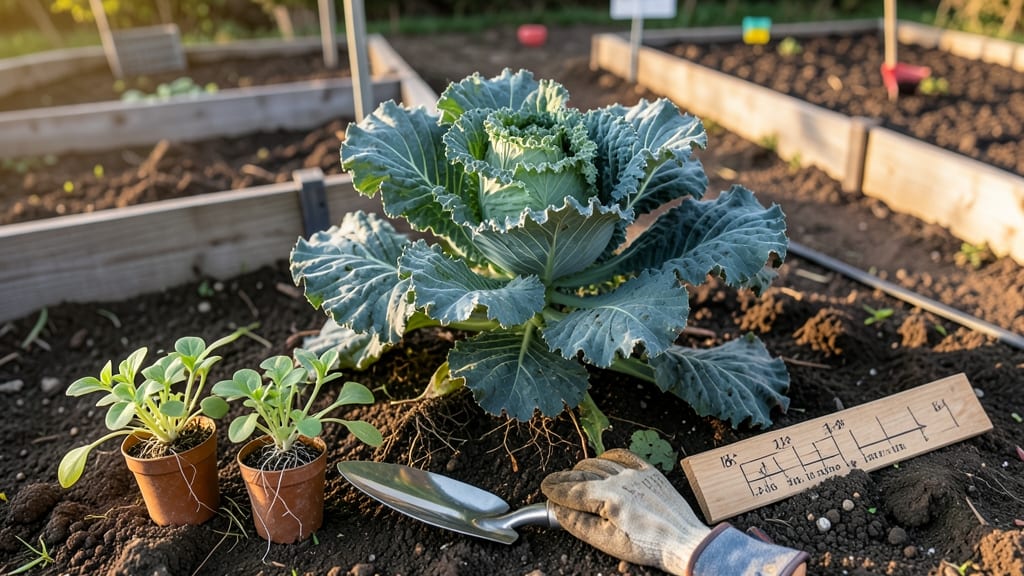
Planting kale in Tennessee at the right time means the difference between a bountiful harvest and bitter disappointment—because a few weeks off can trigger bolting or frost damage.
Tennessee’s mild winters and warm summers create the perfect growing conditions for 🥬 kale, but timing is everything. Plant too early, and frost will kill seedlings; too late, and heat triggers bitter flavors.
Here’s the science-backed guide to planting kale in Tennessee’s climate zones, from soil temperature triggers to frost dates.
In zones 6a-7b, the ideal planting windows are early spring (March–April) or late summer (August–September), when soil warms to 40–50°F for fast germination. But regional microclimates—like East Tennessee’s cooler highlands or Middle Tennessee’s hotter valleys—shift those dates by weeks.
Below, I break down the exact frost dates, soil prep tips, and succession planting tricks to keep your kale thriving from fall to winter—no matter where you garden in the state.
Kale planting calendar for Tennessee: frost dates and soil temperature zones
Tennessee’s diverse climate—from the Appalachian highlands to the Mississippi River lowlands—means kale planting windows vary dramatically. East Tennessee’s cooler microclimates (USDA Zone 6a) allow earlier spring starts, while West Tennessee’s Zone 7b extends fall harvests.
The key? Soil temperature thresholds of 40–50°F for germination, paired with frost-free windows of 190 days. Miss these, and you risk bolting or frost damage.
Kale thrives in Tennessee’s two primary planting seasons: early spring (March–April) and late summer (August–September). Spring plantings benefit from cooler soils, while fall crops avoid summer’s bolting triggers (temps above 75°F).
Each of Tennessee’s three regions—East, Middle, and West—has distinct last/first frost averages, which we’ll break down to pinpoint your ideal window.
Here’s the critical data: East Tennessee’s last frost averages March 20–25, Middle Tennessee’s March 15–20, and West Tennessee’s March 10–15. First frosts hit East TN on November 5–10, Middle TN on November 1–5, and West TN as late as November 10–15.
Plant 4–6 weeks before your region’s first frost for a fall harvest, or 4–6 weeks after your last frost for spring.
| Region | USDA Zone | Last Frost | First Frost | Spring Planting | Fall Planting |
|---|---|---|---|---|---|
| East TN (e.g., Knoxville) | 6a | March 20–25 | November 5–10 | March 15–April 5 | August 15–September 10 |
| Middle TN (e.g., Nashville) | 7a | March 15–20 | November 1–5 | March 1–April 1 | August 1–September 5 |
| West TN (e.g., Memphis) | 7b | March 10–15 | November 10–15 | February 28–March 15 | July 20–August 10 |
For soil temperature triggers, use a soil thermometer to confirm 40–50°F depths. In East TN, soils hit this mark by late February, while West TN waits until mid-March. Pro tip: Black plastic mulch warms soil 5–10°F faster, letting you plant earlier in cooler zones.
Bolting is your biggest enemy in Tennessee’s heat. To avoid it, prioritize shade-tolerant varieties like ‘Winterbor’ or ‘Red Russian’ for summer plantings. In West TN’s Zone 7b, where summer heat lingers, start seeds indoors in late June and transplant in early August to beat the bolting window.
Fall plantings are riskier in East TN due to earlier frosts. Use row covers to extend harvests until mid-November, or choose cold-hardy varieties like ‘Lacinato’ (Dinosaur Kale), which tolerates 20°F temps. In Middle and West TN, you can harvest into December with protection.
Succession planting works in Tennessee’s climate. Sow new seeds every 2 weeks from spring through early summer to ensure a steady supply. For example, in Nashville (Middle TN), plant March 1, March 15, April 1, and April 15 for continuous harvests through fall.
Test your soil’s pH (6.0–7.0) and organic matter (3–5%) before planting. Tennessee’s clay-heavy soils benefit from compost amendments to improve drainage. Amend beds with aged manure or composted leaves 4–6 weeks before planting to jumpstart growth.
Monitor weather forecasts for unexpected late frosts, especially in East TN’s higher elevations. Use cloche covers or frost blankets for seedlings until they’re 4–6 inches tall. In West TN, where summer heat arrives early, prioritize morning harvests to avoid wilted leaves.
How to extend your kale harvest in Tennessee: succession planting and cold protection
Tennessee’s variable climate—with its mild winters and occasional summer heatwaves—can challenge kale growers. But with the right strategies, you can enjoy fresh homegrown kale nearly year-round. The key is succession planting and smart cold protection to keep your plants thriving through frost and heat.
Here’s how to maximize your harvest in USDA zones 6a-7b.
Start by choosing heat-tolerant varieties like ‘Winterbor’ or ‘Red Russian’, which handle Tennessee’s summer heat better than standard types. These varieties also resist bolting—the premature flowering that turns your kale bitter and inedible.
Pair them with staggered planting schedules to ensure a continuous supply of fresh leaves, even when the weather shifts unexpectedly.
- Staggered Planting Schedule
For winter harvests, focus on cold-hardy varieties like ‘Lacinato’ (Dinosaur Kale), which can survive light frosts and even improve flavor after a freeze.
In Tennessee’s Zone 6a (e.g., East Tennessee), you can plant kale as early as late August for a harvest before the first frost (early November). In Zone 7b (e.g., Middle Tennessee), extend planting into early October.
When summer heat arrives, switch to shade cloth (30–50%) to protect your kale from wilting. Even ‘Red Russian’, which tolerates heat better than other varieties, benefits from afternoon shade during Tennessee’s 90°F+ days.
Water deeply in the morning to prevent stress, and mulch with straw or leaves to retain moisture and regulate soil temperature.
Don’t forget about container gardening for small spaces or urban gardens. Use 5-gallon pots with well-draining soil and plant dwarf varieties like ‘Dwarf Blue Curled’. Move containers to a shaded patio during peak summer heat, then return them to full sun as temperatures drop.
This flexibility lets you adjust growing conditions on demand.
With these year-round strategies, you’ll enjoy fresh kale from spring through winter, even in Tennessee’s unpredictable climate. The secret? Plan ahead, protect your plants, and harvest regularly to keep your kale productive and delicious.