
Plants
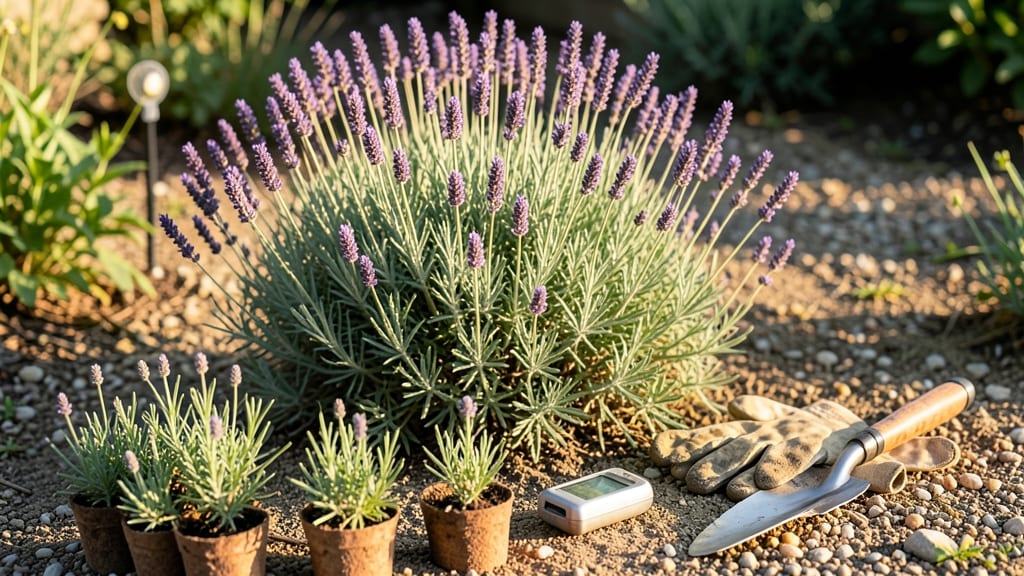
Planting lavender in Alabama thrives in early spring or fall—timing that lets it establish roots before summer’s brutal heat or winter’s chill.
Alabama’s warm climate and long growing season make lavender a stunning addition to gardens—but timing is everything to avoid wilting before it takes root.
Miss the window, and you’ll end up with stressed plants that struggle to bloom, or worse, fail to survive the heat. The key is planting in March-April or September-October, when soil stays cool and moisture is more reliable.
Below, I’ll break down the best months for Alabama’s 7b-8b zones, how to prep soil, and care tips to keep your lavender 🌿 thriving year-round.
Best months to plant lavender in Alabama’s climate zones
Alabama’s USDA zones 7b-8a create a unique challenge for lavender growers—too much heat or humidity can stress these Mediterranean natives. The key to success lies in planting during cooler transition months when temperatures stabilize.
Whether you're in North Alabama's cooler hills or South Alabama's humid coastal plains, timing makes all the difference in establishing strong root systems before summer's intensity.
Most Alabama gardeners achieve the best results by planting lavender in early spring (March-April) or early fall (September-October). These windows allow plants to establish before extreme heat or cold sets in.
Spring planting gives your lavender a head start, while fall planting avoids summer's brutal conditions while still allowing root development before winter dormancy.
For gardeners in North Alabama's cooler microclimates (like the Appalachian foothills), early spring planting in March works well as temperatures stabilize. However, avoid planting before March 15th when late frosts still threaten. In these areas, September planting gives lavender time to establish before winter's chill sets in.
South Alabama's humid coastal regions present different challenges. The early fall window (September) is particularly crucial here, as summer's lingering heat combines with high humidity to create stressful conditions.
Planting in September allows roots to develop while avoiding the worst of summer's heat and the potential for fungal issues that thrive in Alabama's muggy air.
Container gardening offers flexibility for Alabama growers. You can plant lavender in containers throughout summer (June-August) if you provide afternoon shade and consistent moisture. However, these plants will need to be moved to protected locations during extreme heat waves when temperatures exceed 95°F.
Many Alabama gardeners successfully overwinter potted lavender by bringing it indoors before November's first frost.
Microclimates within Alabama create additional opportunities. Urban heat islands in cities like Birmingham or Mobile can be 5-10°F warmer than surrounding rural areas. In these spots, consider late spring planting (May) with extra shade protection, or opt for dwarf varieties that handle heat slightly better.
Meanwhile, higher elevation areas like the Tennessee Valley may support earlier spring planting in late February for hardy varieties.
One common mistake Alabama gardeners make is waiting too long in spring. By May, summer's heat is already building, and newly planted lavender struggles to establish. If you miss the March-April window,
How Alabama’s weather affects lavender planting success
Alabama’s humid subtropical climate creates unique challenges for lavender, which thrives in dry, Mediterranean-like conditions. The state’s hot summers and high humidity can stress lavender if not managed properly, leading to fungal diseases or stunted growth.
Understanding these factors is key to helping your lavender establish strong roots and flourish.
One of the biggest hurdles is Alabama’s heat intensity, especially in zones 7b-8b. Lavender is drought-resistant but struggles when temperatures exceed 90°F consistently. Without proper care, your plants may wilt or develop brown tips from heat stress.
Additionally, the state’s heavy summer rains can drown lavender roots if soil drainage isn’t optimal.
⚠️ callout warning ⚠️
To combat Alabama’s clay-heavy soils, amend your planting area with sand or gravel to improve drainage. Lavender roots need well-aerated soil to prevent waterlogging. A mix of 50% native soil, 30% sand, and 20% compost creates an ideal growing medium. Test your soil’s pH—lavender prefers neutral to slightly alkaline (6.5-7.5)—and adjust with lime if needed.
Another critical factor is mulching strategy. Unlike many plants, lavender doesn’t need thick mulch—it thrives with minimal organic matter to prevent moisture retention. Instead, use a 1-2 inch layer of gravel or pebbles around the base to reflect sunlight and deter weeds while allowing airflow.
This mimics its native Mediterranean habitat and reduces humidity stress.
For container-grown lavender, choose terracotta pots with drainage holes to mimic dry conditions. Place containers in full sun and water only when the top 1-2 inches of soil are dry.
In Alabama’s humidity, overwatering is the #1 killer—containers dry out faster but can trap moisture if not drained properly. Elevate pots on feet or bricks to improve airflow and reduce fungal risks.
Finally, monitor for pests like spider mites, which thrive in Alabama’s heat. Regularly inspect leaves for webbing or discoloration and treat with neem oil if needed. With the right soil prep and care, your lavender can survive—and even thrive—in Alabama’s challenging climate. 🌿