
Plants
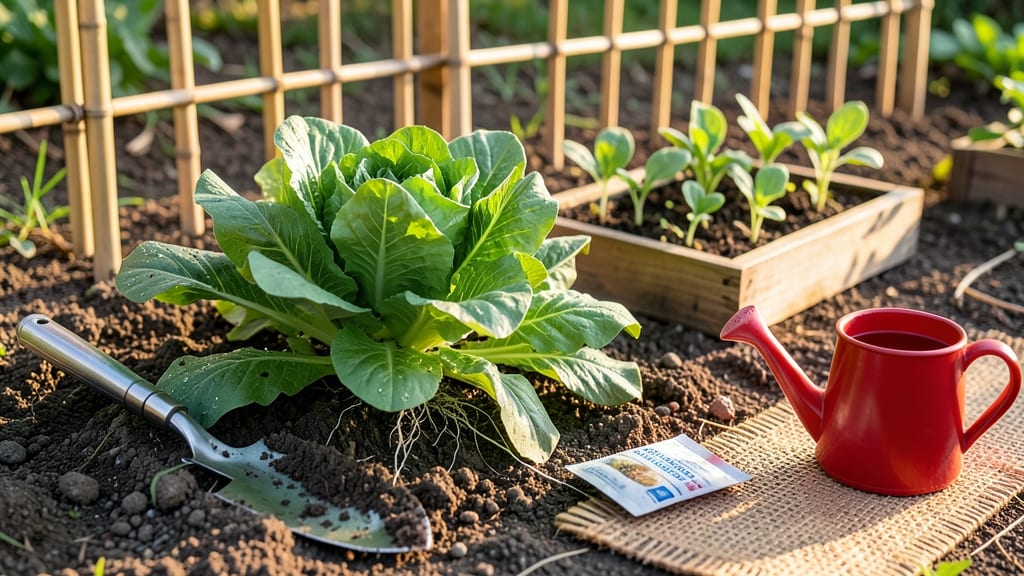
To plant lettuce in Arizona, aim for fall between September and November when temperatures drop below 75°F—this is when your 🥬 thrives without bolting.
Picture this: you’ve spent weeks prepping your garden bed, only to watch your lettuce turn bitter and bolt by mid-May. That’s the classic Arizona trap, but there’s a way around it—timing is everything.
In Zone 9b, fall planting gives your lettuce the cool weather it craves, while spring options (February–March) work if you’re in higher elevations like Flagstaff. The key? Avoid the brutal summer heat, which turns crisp heads into sad, wilted messes.
Below, I’ll break down the exact planting schedule for your region, shade strategies to stretch the season, and how to keep your greens lush even when the desert tries to bake them into chips.
Best months to plant lettuce in Arizona’s desert climate
Arizona’s desert climate presents unique challenges for growing lettuce, but with the right timing, you can enjoy crisp, homegrown greens year-round. Unlike cooler climates, Arizona’s low desert (Phoenix) and high desert (Flagstaff) have distinct planting windows.
The key is avoiding the brutal summer heat, which causes bolting (premature flowering) and bitter leaves. Instead, focus on fall, winter, and early spring when temperatures stay within lettuce’s ideal 50–70°F range.
For low desert regions like Phoenix, the best time to plant lettuce is from late August through November, with a second window in February and March.
In the high desert (Flagstaff), cooler temperatures allow for slightly longer growing seasons, with planting possible as early as July and extending into April. Transitional zones (like Tucson) fall somewhere in between, offering flexibility for late summer and fall plantings.
Here’s a quick reference for Arizona’s three main zones, including temperature thresholds and ideal planting months to maximize your harvest.
In the low desert, temperatures can still climb above 80°F in late fall, so I recommend starting seeds indoors in late July and transplanting seedlings outdoors in early September. This gives them a head start before the heat peaks.
For high desert areas, you can even plant leaf lettuce varieties like Buttercrunch or Black Seeded Simpson as early as July, but watch for late summer heat waves that can still stress plants.
If you’re aiming for a spring harvest, focus on February and March plantings in the low desert. By this time, daytime highs are typically in the 70s°F, making conditions ideal for lettuce.
In the high desert, you can push this window slightly later, into April, thanks to cooler nights. Always test your soil temperature with a soil thermometer—lettuce roots struggle in soils above 75°F.
One of my favorite tricks for fall plantings is to use drip irrigation on a timer to keep the soil evenly moist. Lettuce hates drought stress, which triggers bolting.
I set my system to deliver ½ inch of water every other day in the fall and adjust to daily watering in spring if temperatures spike unexpectedly. Pair this with a 2–3 inch layer of mulch (straw or wood chips) to lock in moisture and keep roots cool.
For gardeners in transitional zones, like the White Mountains or Prescott, the late summer window (July–August) can work if you choose heat-tolerant varieties like Jericho Romaine or Summertime.
These varieties can handle short bursts of heat better than traditional leaf lettuce, but they still need afternoon shade during the hottest months. I often use a 30–50% shade cloth to filter direct sunlight while allowing enough light for photosynthesis.
Remember, Arizona’s microclimates can vary dramatically even within a city. If you’re unsure about your specific zone, I recommend checking the USDA Plant Hardiness Zone Map and observing your garden’s conditions for a few weeks.
Note when temperatures drop below 50°F at night—this is your cue to start planting for a winter harvest. With the right timing and a few desert-specific adjustments, you’ll be enjoying homegrown lettuce long after your neighbors’ gardens have given up for the year.
🌱
How to extend lettuce growing season in Arizona heat
Arizona’s summer heat can turn your lettuce into a sad, wilted pile unless you take strategic action. The key to growing lettuce during hot months lies in heat-tolerant varieties, shade solutions, and smart watering techniques.
With the right approach, you can enjoy crisp lettuce even when temperatures soar above 90°F. Let’s dive into the proven methods that work in desert gardens.
First, focus on heat-resistant lettuce varieties like Romaine and Black Seeded Simpson. These varieties handle warmer temperatures better than traditional leaf lettuces. Pair them with drip irrigation systems to deliver water directly to roots, reducing evaporation and stress.
This simple setup can make all the difference in preserving your plants’ moisture.
- 1. Use 30-50% shade cloth to block intense midday sun while allowing light for photosynthesis.
- 2. Mulch with 2-3 inches of straw to keep soil cool and retain moisture for up to 3 extra days.
- 3. Plant in late afternoon (4-6 PM) to reduce transplant shock from immediate heat exposure.
- 4. Water deeply twice daily—once at dawn and once at dusk—to prevent bolting and wilting.
- 5. Choose raised beds with lightweight soil to improve drainage and heat dissipation.
Shade cloth is your best friend during summer lettuce growing. A 30-50% shade cloth reduces soil temperature by up to 15°F while still allowing enough light for growth. Install it over your lettuce beds by early June to protect young plants from the harsh April-May heat spikes.
For even better results, combine shade cloth with white mulch, which reflects sunlight and keeps roots cooler.
Don’t underestimate the power of mulching. A thick layer of straw or wood chips (2-3 inches) acts like a cooling blanket for your soil. This simple technique can extend your lettuce’s growing season by 3-4 weeks in summer.
Plus, it reduces water evaporation, so you’ll spend less time hand-watering. Just be sure to keep mulch 2 inches away from plant stems to prevent rot.
For containers or small spaces, drip irrigation on a timer is a game-changer. Set your system to run for 10-15 minutes every morning and evening to keep roots consistently moist without overwatering.
Avoid overhead sprinklers—they can scorch leaves and spread disease. Pair this with self-watering planters if growing in pots, which help maintain steady moisture levels.
Finally, harvest strategically to encourage new growth. Instead of cutting the whole head, snip outer leaves when they reach 3-4 inches. This method keeps your plants producing for 6-8 weeks longer than a single harvest.
For the most tender lettuce, pick in the early morning when temperatures are cooler and moisture is highest.