
Plants
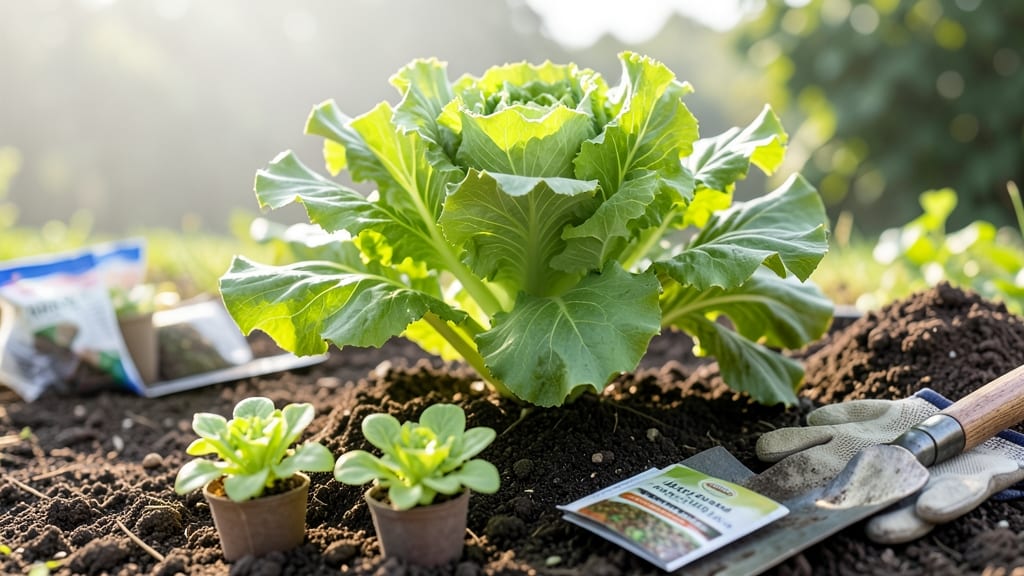
Planting lettuce in Seattle at the right time means the difference between a crisp, homegrown harvest and bolted greens that taste like disappointment.
Seattle’s unpredictable weather can turn your lettuce dreams into frost-bitten disappointment—unless you master the exact timing for planting.
Most gardeners here miss the two best windows: early spring (March–April) and late summer (August–September), when temperatures and daylight align just right for 🥬 to thrive.
Below, I’ll break down the month-by-month frost risks, the microclimate tricks that work for Eastside vs. Westside, and the top varieties that stay sweet even when Seattle’s weather throws a curveball.
Seattle lettuce planting calendar: month-by-month frost risk analysis
Seattle’s USDA zones 7b-8a create a unique growing window where lettuce thrives with the right timing. The average last frost date is March 15, while the first frost typically arrives November 15. This gives you a 165-day frost-free period—perfect for two lettuce harvests if you plan carefully.
Spring planting begins in February for cold-hardy varieties, while summer lettuce should start in August to beat the heat. Fall crops can even be sown in September for a late harvest before winter sets in.
The key? Matching your lettuce variety to Seattle’s microclimates and avoiding those unpredictable frost pockets that sneak into urban gardens.
Here’s your month-by-month planting guide, including frost risk zones and heatwave warnings to keep your lettuce crisp and productive.
| Month | Planting Window | Ideal Varieties | Frost Risk | Heat Risk |
|---|---|---|---|---|
| February | Start cold-hardy varieties indoors | 'Winter Density', 'Arctic King' | High (use row covers) | Low |
| March | Direct sow outdoors (4-6 weeks before last frost) | 'Black Seeded Simpson', 'Romaine' | Moderate (watch for late frosts) | Low |
| April | Peak spring planting (avoid bolting) | 'Buttercrunch', 'Leaf Red Salad Bowl' | Low | Moderate (shade cloth if hot) |
| May | Succession plant for late summer harvest | 'Jericho', 'Parris Island Cos' | None | High (use shade cloth) |
| August | Start fall crops (6-8 weeks before first frost) | 'Winter Density', 'Romaine' | Low (early August) | Moderate |
| September | Direct sow for late fall harvest | 'Arctic King', 'Winter Density' | Moderate (late September) | Low |
In February and March, focus on cold-hardy varieties like 'Winter Density' or 'Arctic King'. These can handle Seattle’s late frosts and even thrive under row covers if temperatures dip below 25°F.
Start seeds indoors in February for an early transplant advantage, or direct sow in March once soil temperatures rise above 40°F.
By April and May, the risk of frost drops significantly, but heat stress becomes a concern. Choose bolt-resistant varieties like 'Buttercrunch' and provide afternoon shade during Seattle’s occasional 80°F+ heatwaves. Succession planting every 2-3 weeks ensures a steady harvest through June and July.
For fall lettuce, the window opens in August with varieties like 'Jericho' that tolerate warmer soil. By September, switch to cold-hardy types again to capitalize on Seattle’s cool, wet fall weather.
A light mulch (like straw) protects roots from temperature swings and keeps soil moist during autumn rains.
Pro tip: Use Seattle’s urban heat island effect to your advantage. Eastside gardens (like Bellevue or Kirkland) stay 5-10°F warmer than Westside areas (
Seattle’s geography creates dramatic differences between its Eastside and Westside—where your lettuce thrives in one zone might bolt or rot in another. The rain shadow effect on the Eastside (like Bellevue) creates hotter, drier summers, while the Westside (like Ballard) stays cooler and wetter year-round. Even urban pockets like Pioneer Square experience heat islands that can scorch tender lettuce leaves by midday. To succeed, I adjust my planting strategies based on these microclimates. For example, heat-tolerant varieties like 'Black Seeded Simpson' work well on the Eastside, while cold-hardy types such as 'Winter Density' excel on the Westside. Container gardening on balconies adds another layer—south-facing exposures can fry lettuce, while north-facing spots may need supplemental grow lights. On the Eastside, where summer temperatures can hit 90°F+, I swear by 30% shade cloth to prevent bolting. Pair this with straw mulch (2-3 inches thick) to retain moisture and keep roots cool. For container gardens, white pots reflect excess heat—critical for balcony lettuce that gets no shade. Westside gardeners have it easier with cooler summers, but I still recommend succession planting every 2 weeks from March to October. Use black plastic mulch in early spring to warm the soil faster, giving cold-hardy varieties like 'Arctic King' a head start. In urban heat islands, where asphalt absorbs heat, I turn to self-watering containers and wet burlap wraps around pots. These tricks keep soil temps 10°F cooler than exposed beds. For shade, 50% shade cloth works year-round—even in Seattle’s mild winters. Pro tip: Test your microclimate with a soil thermometer in July. If temps exceed 80°F, your lettuce will bolt. Adjust with shade or evening watering to keep leaves crisp for harvest.Microclimate hacks: how Seattle’s rain shadow and urban heat islands affect lettuce success
Microclimate
Best Varieties
Shade Needs
Mulching Tip
Container Hack
Eastside (Bellevue, Kirkland)
'Black Seeded Simpson', 'Jericho'
30% shade cloth in summer
Straw mulch (2-3 inches)
White pots to reflect heat
Westside (Ballard, Fremont)
'Winter Density', 'Arctic King'
None (full sun tolerated)
Black plastic mulch for warmth
Deep containers (12+ inches)
Urban Heat Islands (Downtown)
'Romaine', 'Buttercrunch'
50% shade cloth year-round
Wet burlap for cooling
Self-watering planters