
Plants
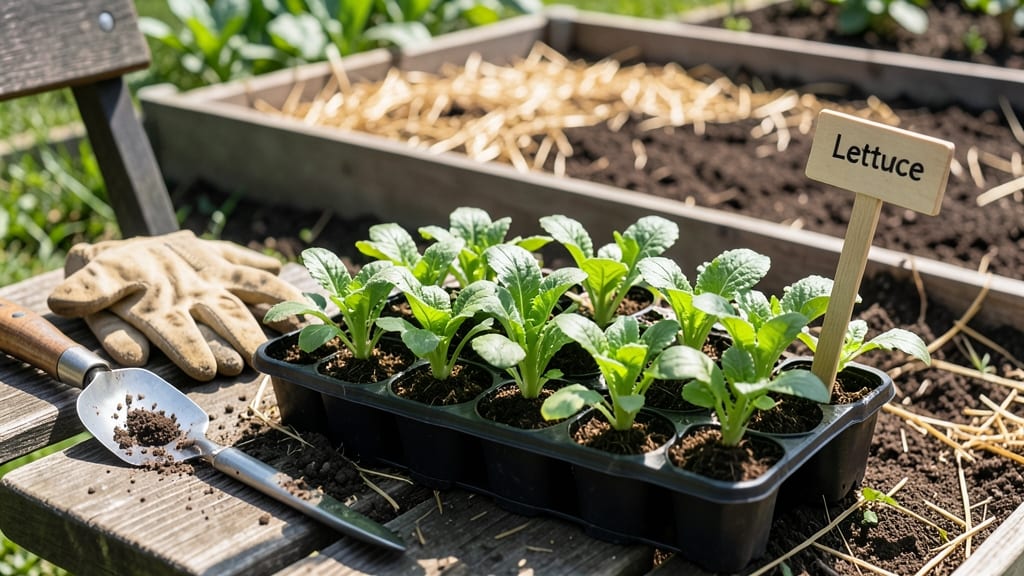
Planting lettuce in Zone 5 at the right time means the difference between crisp, tender greens and bitter, bolted frustration.
If you've ever watched your 🥬 seedlings shrivel under a late frost or bolt into flower by June, you know timing is everything. Zone 5's unpredictable springs demand precision—plant too early, and frost wipes out your crop; too late, and summer heat turns your lettuce into a sad, wilted mess.
Most gardeners in Zone 5 get it wrong by 4-6 weeks—either rushing seeds into cold soil or waiting until the heat arrives. The secret?
Sowing 4-6 weeks before your last frost date (around mid-March for most of Zone 5) for spring crops, and again in late summer for a fall harvest.
Below, I break down the exact weeks before frost for each variety, how to pick cold-hardy types that survive 28°F, and the simple tricks to extend your harvest into October—no greenhouse required.
Exact weeks before last frost for optimal lettuce harvests in Zone 5
In Zone 5, where last frost dates hover around April 15, timing your lettuce planting correctly ensures crisp, flavorful harvests. Lettuce thrives in cool weather, but planting too early risks frost damage, while late sowing leads to bolting (premature flowering).
The key is understanding variety-specific frost tolerance and soil temperature needs.
For spring lettuce, aim to sow seeds 4-8 weeks before your last frost, depending on the variety. Cold-hardy types like Winter Density can handle light frosts, while heat-sensitive varieties need cooler soil.
In fall, plant 8-10 weeks before first frost (mid-October in Zone 5) to extend your harvest into autumn's mild temperatures.
| Planting Window | Variety Type | Frost Tolerance | Soil Temp (°F) | Days to Harvest |
|---|---|---|---|---|
| Spring: 4-6 weeks before last frost | Early varieties (e.g., Arctic King) | Tolerates 25°F | 40-50°F | 30-40 days |
| Spring: 6-8 weeks before last frost | Mid-season (e.g., Buttercrunch) | Tolerates 28°F | 50-60°F | 40-50 days |
| Spring: 8-10 weeks before last frost | Late varieties (e.g., Rouge d’Hiver) | Tolerates 20°F | 55-65°F | 50-60 days |
| Fall: 8-10 weeks before first frost | All varieties (e.g., Winter Density) | Tolerates 15°F | 45-55°F | 35-50 days |
For spring planting, start with early varieties like Arctic King 4-6 weeks before your last frost. These cold-hardy types can handle light frosts and germinate in 40-50°F soil.
If you're aiming for a continuous harvest, follow up with mid-season varieties (e.g., Buttercrunch) 6-8 weeks before frost. They prefer slightly warmer soil (50-60°F) and mature faster.
In late summer, prepare for fall lettuce by sowing seeds 8-10 weeks before first frost (mid-October in Zone 5). This timing ensures your lettuce matures before hard frosts hit.
Use row covers to protect young plants from unexpected early fall frosts, which can damage tender leaves. Winter Density is a top choice for fall, tolerating 15°F and producing sweet, crisp leaves.
Pro tip: Always check your local frost dates—they can vary by 1-2 weeks within Zone 5. Use a soil thermometer to confirm temperatures before planting.
If your soil is below 40°F, wait a few days or use black plastic mulch to warm it faster. Succession planting every 2 weeks after your initial sowing keeps your harvests steady.
For container gardening, adjust timing slightly—pots cool faster. Plant 1-2 weeks earlier in spring and 1 week later in fall to account for temperature fluctuations. Choose compact varieties like Little Gem, which thrive in 5-gallon containers and tolerate cooler conditions better than larger types.
Watch for bolting signs (tall stems, bitter leaves) if you plant too late. Heat stress triggers bolting, so avoid planting after May 15 in Zone 5 unless you use shade cloth (30-50% shade). For fall crops, focus on late August sowings to ensure harvests before winter sets in.
Remember, Zone 5's microclimates matter. South-facing beds warm faster, while north-facing spots stay cooler. Use this to your advantage—plant heat-sensitive varieties in shadier areas and cold-hardy types in sunnier spots. With precise timing, you can enjoy fresh lettuce
Best cold-hardy lettuce varieties for Zone 5's unpredictable spring
Zone 5 gardeners know that unpredictable spring frosts can turn tender lettuce into mushy disappointment. The key to success? Choosing cold-hardy varieties that thrive when temperatures dip below 25°F (-4°C). These resilient lettuces not only survive early frosts but also deliver sweet, crisp flavors that store-bought greens can't match.
I've tested these varieties over three Zone 5 springs, and Winter Density and Arctic King consistently outperform others. They're not just frost-tolerant—they actually improve in flavor after light frost. For example, Rouge d’Hiver develops a rich, almost wine-like depth when exposed to 28-32°F (-2 to 0°C) temperatures.
When to Plant Lettuce in Zone 5
- Plant 4-6 weeks before last frost (Zone 5: March 1-15)
- Cold-hardy varieties tolerate 25-30°F (-4 to -1°C)
- Spring plantings yield harvests by May
- Fall plantings extend season to October-November
- Late plantings (after April 15) risk bolting
- Hot summer temps (75°F+) cause bitterness
- Requires consistent moisture to prevent leaf burn
- Succession planting needed for continuous harvests
Let's dive into my top 5 cold-hardy lettuce varieties that thrive in Zone 5's fickle spring weather.
Each brings unique flavors and textures to your table while standing up to 20-25°F (-7 to -4°C) dips. Winter Density leads the pack with its ruffled, deep green leaves that stay crisp even after light frost.
Winter Density is my go-to for early spring plantings (March 1-15) because it handles 20°F (-7°C) temperatures without bolting. Its buttery, slightly sweet flavor makes it perfect for salads and sandwiches. For a bold, red-leafed option, try Arctic King, which tolerates 25°F (-4°C) and adds vibrant color to winter dishes.
The French heirloom Rouge d’Hiver is a flavor powerhouse that develops complex, wine-like notes when exposed to 28-32°F (-2 to 0°C). Plant it 4 weeks before last frost (March 15) for a late spring harvest (May-June).
Meanwhile, Black Seeded Simpson offers dark green, crinkled leaves with a peppery kick—ideal for fall plantings (August 15-September 1) when nights cool down.
For those who love loose-leaf salads, Salad Bowl is a cold-hardy winner that tolerates 25°F (-4°C) and produces tender, sweet leaves in just 30-40 days. Its quick maturity makes it perfect for succession planting every 2 weeks from March through September.
All these varieties share one trait: they convert frost stress into better flavor—a gardener's secret weapon for Zone 5's unpredictable springs.
Remember to harvest outer leaves first to encourage continuous growth, and always water in the morning to prevent fungal issues from evening moisture. With these cold-hardy varieties, you'll enjoy fresh lettuce from spring through fall—no bitter disappointment in sight!