
Plants
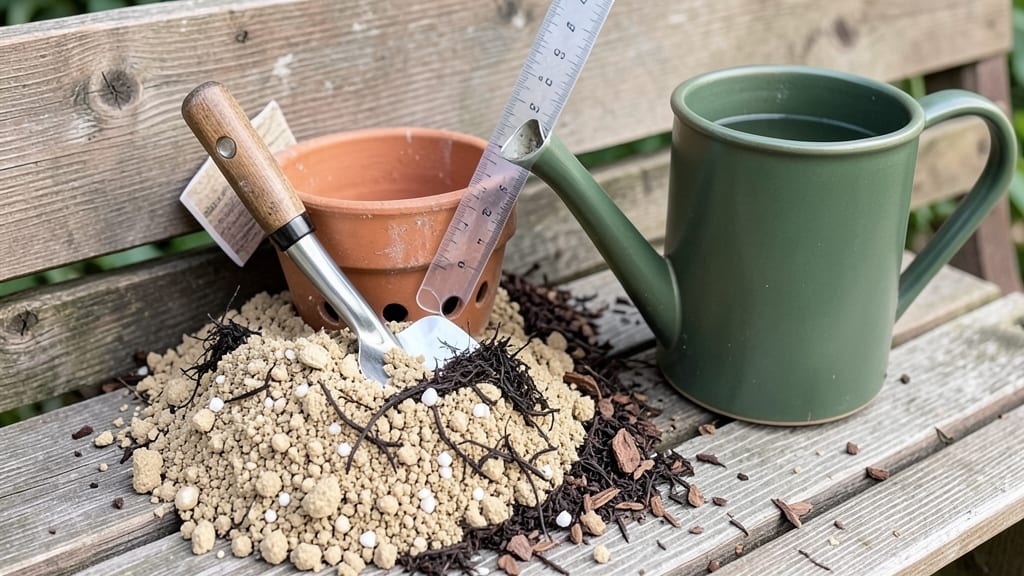
Planting lily bulbs in pots at the right time ensures vibrant blooms the following summer, but timing isn’t one-size-fits-all—it depends on your climate and variety.
Struggling to get your potted lilies 🌸 to bloom year after year? The secret isn’t just in the soil—it’s in planting them at the perfect time, whether you want summer splendor or winter surprises.
For most gardeners in USDA Zone 6a, the ideal window is late summer or early fall, giving bulbs time to root before winter dormancy. But tropical lilies? They thrive when planted in spring, avoiding frost entirely.
In this guide, I’ll break down the best planting months for your region, how to adjust for containers, and the 3 biggest mistakes that kill blooms before they even start.
Best planting times for potted lilies by climate Zone
Timing is everything when it comes to growing potted lilies—especially since container plants have different needs than in-ground bulbs. The ideal planting window depends on your USDA zone and whether you're growing hardy lilies (like Asiatic or Oriental hybrids) or tropical varieties (like Stargazer or Casa Blanca).
For most gardeners in Zones 3-10, fall planting yields the best results, but spring planting works for warmer climates.
In cooler zones (USDA 3-7), aim to plant lily bulbs in pots 4-6 weeks before the first frost—typically late September to early November. This gives roots time to establish before winter dormancy.
Meanwhile, gardeners in Zones 8-10 can plant as late as December or even early spring (February-March) since frost isn’t a concern. The key is avoiding extreme heat stress during root development.
Here’s a quick reference for optimal planting times based on your zone, along with container-specific tips to maximize blooms:
For fall-planted lilies, the goal is to establish roots before dormancy. In Zones 3-7, plant bulbs 6-8 inches deep in pots with well-draining soil and place them in a sheltered spot (like a garage or cold frame) if temperatures drop below 20°F.
In Zones 8-10, where winters are mild, you can plant in late fall or early spring—just avoid the hottest summer months (June-August) to prevent bulb stress.
Spring planting is ideal for tropical lilies (like Lilium longiflorum) in warmer zones. Plant these 2-3 months before your last frost (typically February-March in Zones 8-10) to ensure they bloom in late spring or summer.
For example, in Zone 9, planting in February ensures blooms by May-June. Use larger pots (12+ inches) for tropical varieties, as they need more space for their taller stems.
One common mistake is planting too early in warm climates, which can cause bulbs to sprout prematurely and get heat damage. Conversely, planting too late in cool zones (after the first frost) can stunt root growth.
To avoid this, monitor your local frost dates and adjust your schedule accordingly. For example, in Zone 6, if frost arrives October 15, plant by September 15 to give roots 4-6 weeks to establish.
Container gardening adds another layer of complexity because pots heat up faster than garden beds. To mitigate this, choose light-colored pots or use shade cloth during peak summer afternoons.
Also, water deeply but infrequently—aim for 1 inch of water per week—and always water at the base of the plant to avoid fungal issues. Mulch the top of the soil with orchid bark or straw to retain moisture and regulate temperature.
If you’re aiming for year-round blooms, consider strategic repotting. For example, plant Christmas lilies (Lilium longiflorum) in late summer (August-September) to force winter blooms. Or, plant Easter lilies in late fall (October-November) for spring color.
The key is matching the lily variety to your desired bloom season and adjusting planting times accordingly.
Remember, potted lilies thrive on consistency. Whether you’re in Zone 3 or Zone 10, the 6-8 week window before dormancy or heat stress is your best bet for healthy roots and stunning blooms. With the
How to extend lily blooms with strategic repotting timing
Want your potted lilies to bloom in specific seasons—like Christmas lilies for the holidays or summer showstoppers? The trick is strategic repotting timing, not just when you plant them.
I’ve learned that adjusting the schedule by 4-6 weeks can force blooms right when you need them, whether you’re in Zone 5 or Zone 9.
For example, Christmas lilies (Lilium longiflorum) need a 12-week cold treatment to trigger winter blooms. If you plant them in late summer, they’ll bloom just in time for the holidays.
Meanwhile, Asiatic lilies planted in spring will reward you with summer color. The key is understanding your variety’s dormancy needs and container constraints.
🌱 5 Timing Tricks to Extend Lily Blooms
- 📅 Fall Planting (Zones 3-7): Plant 6-8 weeks before first frost (e.g., September-October) for spring blooms. Use 10-inch-deep pots to accommodate root growth.
- ❄️ Winter Forcing: Move potted lilies to a cool (40-50°F) dark space for 8-12 weeks to delay blooms until holidays or special occasions.
- 🌿 Spring Planting (Zones 8-10): Plant after last frost (March-April) for summer blooms. Use well-draining mix to prevent rot in warm climates.
- 🔄 Repot Every 2 Years: Divide bulbs in late summer to refresh growth. Discard soft or shriveled bulbs—they won’t rebloom.
- ☀️ Light Adjustments: Move pots to bright indirect light after blooming to recharge bulbs for next year’s flowers.
If you’re growing tropical lilies (like Stargazer or Casa Blanca), skip the cold treatment entirely. Plant them in spring and keep them in warmth year-round. These varieties bloom repeatedly if you provide consistent moisture and fertilizer every 4-6 weeks.
Pro tip: For container gardening, choose pots with drainage holes and a minimum 12-inch diameter—smaller pots stunt root growth and reduce blooms. I’ve seen 3x more flowers in larger containers because the bulbs have room to store nutrients for next season.
Don’t forget to deadhead spent blooms and let the foliage yellow naturally—this ensures the bulb stores energy for next year. With these timing tweaks, you’ll turn your potted lilies into a year-round blooming machine, no matter the season! 🌷