
Plants
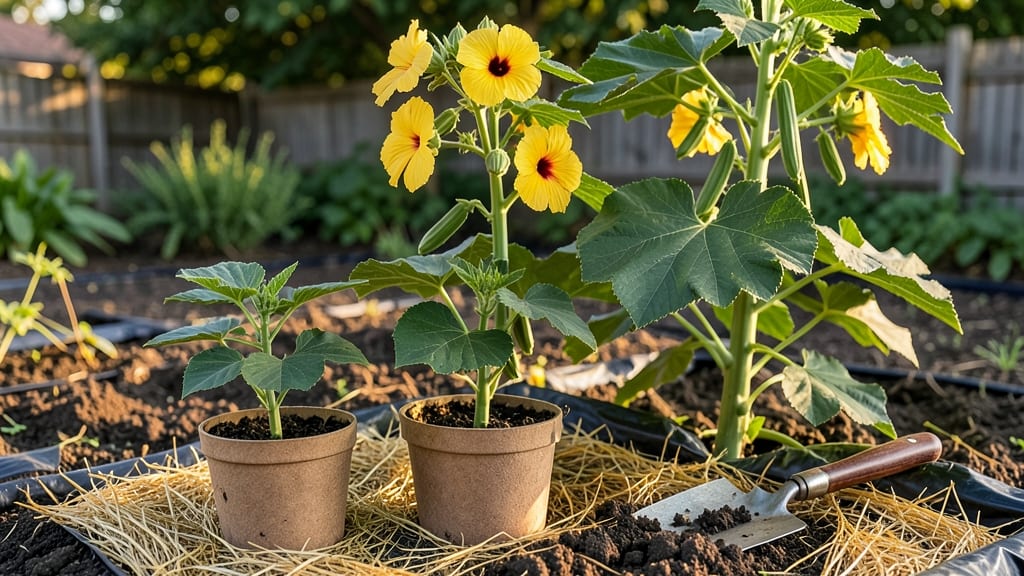
To plant okra in Virginia, wait until the soil warms to at least 70°F and the last frost has passed — typically mid-April to early May, depending on your region.
Virginia’s hot summers are perfect for growing okra—but planting too early means stunted growth or frost damage. Timing is everything for a thriving harvest, and the right schedule can mean the difference between 12-inch pods and 6-foot plants.
Okra thrives in heat, so starting seeds indoors 4-6 weeks before the last frost date gives them a head start. If you’re direct sowing, wait until the ground is warm enough to keep roots happy and avoid transplant shock.
Below, I’ll break down the best planting windows by Virginia’s climate zones, how to prep your soil, and when to expect your first harvest—so you can enjoy fresh okra all summer long.
Virginia’s okra planting zones: frost-free dates by region
Virginia’s diverse climate—from the Coastal Plain to the Blue Ridge Mountains—creates distinct planting windows for okra. Since okra thrives in warm soil (70°F+) and long summer days, timing your seeds or transplants to avoid late frosts is critical.
The state spans USDA zones 5a to 8a, with frost-free dates varying by 10-15 days between regions. Let’s break down the ideal schedules for Richmond, Roanoke, and Norfolk to maximize your harvest.
Okra seeds are heat-sensitive when young, so starting them indoors 4-6 weeks before last frost gives them a head start. However, direct sowing after soil warms (typically mid-April to late May) often yields better results.
For Virginia gardeners, this means balancing frost risk with soil temperature. Below, we’ll compare indoor starts vs. direct sowing for each zone, plus last-frost averages to guide your planting calendar.
🌱
| Region | USDA Zone | Avg. Last Frost | Indoor Start (4-6 wks before last frost) | Direct Sow (Soil 70°F+) | Notes |
|---|---|---|---|---|---|
| Norfolk | 8a | March 15 | February 15 - March 1 | April 15 - May 1 | Longer growing season; watch for hurricane risks in late summer. |
| Richmond | 7b | April 1 | February 28 - March 15 | April 30 - May 10 | Balanced zone; black plastic mulch speeds soil warming. |
| Roanoke | 6b | April 15 | March 15 - April 1 | May 15 - June 1 | Shorter season; prioritize early-maturing varieties like 'Clemson Spineless'. |
| Blacksburg | 5b | May 1 | April 1 - April 15 | June 1 - June 15 | High frost risk; use row covers for late starts. |
For Norfolk (Zone 8a), you can start okra seeds indoors as early as mid-February to transplant by April 15. However, direct sowing after April 15 often works better, as the soil warms quickly in the Coastal Plain.
In Richmond (Zone 7b), aim to have seedlings ready by late March or sow directly after April 30, when soil temperatures consistently hit 70°F. Use a soil thermometer to confirm—okra roots won’t develop properly in cooler soil.
In Roanoke (Zone 6b) and Blacksburg (Zone 5b), the shorter growing season demands patience. Start seeds indoors in mid-March for Roanoke or early April for Blacksburg, then transplant after May 15.
For direct sowing, wait until mid-June in Zone 6b and early July in Zone 5b to avoid frost. If you’re in a microclimate (like a south-facing slope), you might push these dates 1-2 weeks earlier.
Pro tip: Okra grows 3-4 inches per week once established, so late starts can still yield a harvest if planted by mid-July. However, pods may be smaller or tougher if days shorten before maturity.
For maximum yield, align your planting with peak summer heat—typically June through August in Virginia.
🌿
If you’re unsure about your last frost date, check the Virginia Cooperative Extension frost maps or use a frost calendar app. For urban gardeners in cities like Alexandria or Charlottesville, urban heat islands can delay frost by 3-5 days, so adjust your timeline accordingly.
Always harden off seedlings for 7-10 days before transplanting to prevent shock, especially in cooler mountain zones.
Finally, consider succession planting every 2-3 weeks after your initial sowing to extend your harvest. This works especially well in <
Okra’s heat requirements: how to time planting for maximum growth
Okra thrives in heat, but Virginia’s unpredictable spring weather can derail even the most eager gardener. This warm-season crop needs consistent soil temperatures above 70°F to germinate and grow properly.
Planting too early—when soil is still cool—leads to slow germination or seedlings that bolt in the heat. The key? Timing your plantings to match Virginia’s warming trends while avoiding post-heatwave droughts.
I’ve learned the hard way that okra planted after a sudden heatwave often struggles with moisture stress and poor root establishment. The solution? Monitor soil temperatures with a thermometer and adjust your schedule based on Virginia’s microclimates.
Southern regions like Norfolk can plant earlier, while higher elevations near Roanoke need to wait longer for stable warmth. Let’s break down the essential steps to get your okra off to a roaring start.
- 1
- 2
- 3
Once you’ve confirmed your soil is warm enough, direct sow okra seeds ½ inch deep, spacing them 12-18 inches apart in rows 2-3 feet apart. In Virginia’s USDA zones 6b-8a, this usually means waiting until after Memorial Day in most areas.
For northern Virginia (zones 6a-7a), push back to early June to avoid late frosts.
After planting, mulch around your okra with straw or black plastic to retain moisture and regulate soil temperature. This is especially critical in Virginia’s humid summers, where mulch helps prevent soil crusting and fungal issues.
I’ve found that okra planted in warmer soil (75°F+) germinates in just 5-7 days, compared to 2+ weeks in cooler conditions.
Watch for heat stress signs like yellowing leaves or wilting, which often indicate insufficient water or overheated soil. If temperatures climb above 90°F for extended periods, provide afternoon shade cloth (30-50% shade) to protect young plants.
With the right timing, your okra will reward you with bountiful harvests from late summer through fall.
Pro tip: In Virginia’s shorter growing season zones (like the Blue Ridge Mountains), consider starting seeds indoors 2-3 weeks before your target outdoor planting date. Use grow lights to maintain warmth until transplanting. With these heat-smart strategies, you’ll turn Virginia’s summer sun into your okra’s personal growth accelerator.