
Plants
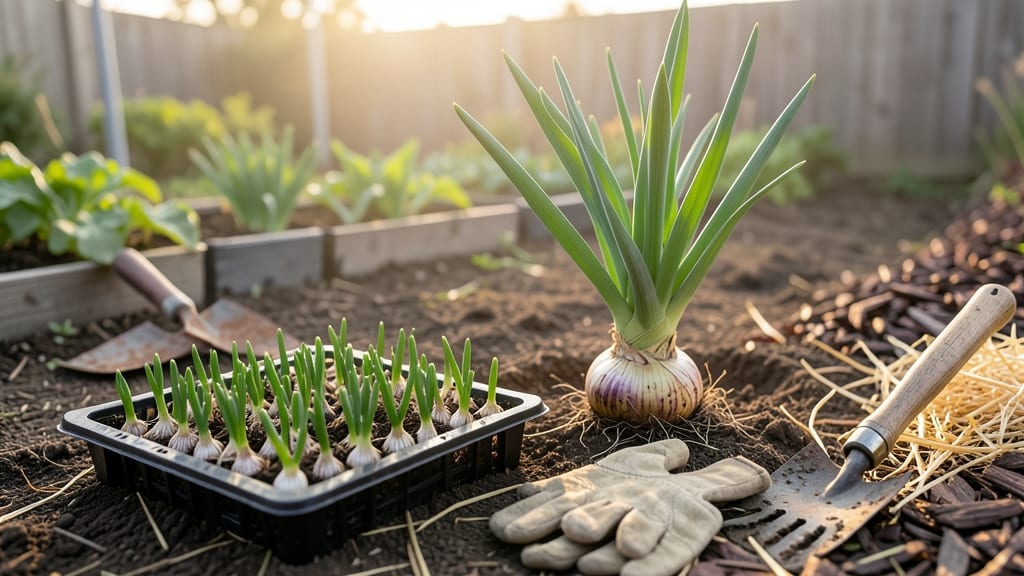
Planting onions in South Texas at the right time is the key to avoiding bolting and heat stress — aim for late September or early January to align with your region's 9a-10a climate.
Picture this: you’ve spent weeks preparing your soil, only to watch your 🧅 tops bolt into flower stalks under the relentless South Texas sun. That’s the risk when you plant too early or too late.
The good news? With the right timing and heat-tolerant varieties, you can grow onions that store well and pack serious flavor.
South Texas gardeners have two main windows for success: fall (September–October) and late winter (January–February). These periods give your onions enough cool weather to mature before the heat peaks, while avoiding the 100°F+ summers that send most onion varieties into early retirement.
In this guide, I’ll break down the exact planting dates by month, the best heat-resistant onion types for your area, and pro tips to keep your crop thriving—no bolting, no stress, just sweet, homegrown onions ready for harvest.
Best South Texas onion planting dates by month for maximum yield
South Texas gardeners know timing is everything when growing onions. The ideal planting windows avoid summer heat while maximizing cool-season growth. For fall planting, focus on September-October when temperatures stay below 85°F—perfect for bulb development. Spring planting works too, but only in January-February before heat spikes arrive.
Your USDA Zone 9a-10a location means onions can grow year-round, but extreme heat causes bolting. Choose short-day varieties like 'Texas Early White' or 'Yellow Granex' that tolerate South Texas heat better. These varieties thrive with 6-8 hours of sunlight daily and well-draining soil.
Here’s your month-by-month planting guide for South Texas, adjusted for regional microclimates like Houston’s humidity vs. El Paso’s dry heat:
For Houston’s coastal climate, plant onions 2 weeks later than inland areas like San Antonio to avoid humidity-related diseases. Use drip irrigation to keep foliage dry and prevent fungal issues. In El Paso’s drier conditions, focus on well-draining soil and mulch heavily to retain moisture.
If you miss the fall window, try late-summer succession planting in August using heat-tolerant varieties like 'Texas Grano'. These onions mature faster and handle 90°F+ temperatures better than traditional types. Just be ready to harvest by October before heat stress sets in.
Always plant 4-6 weeks before your average last frost date (typically January 15 in South Texas). This gives onions enough time to establish roots before spring heat arrives. For green onions, you can plant year-round, but bulbing onions need cool weather to develop properly.
Pro tip: Test your soil’s pH (6.0-7.0) before planting. South Texas soils often lack sulfur, which onions need for bulb formation. Amend with elemental sulfur or compost to improve yields. Mulch with straw or grass clippings to regulate soil temperature and reduce weeds.
Remember, onions need consistent moisture but hate soggy soil. Water deeply once a week in fall/winter and every 5-7 days in spring. Avoid wetting the leaves to prevent purple blotch, a common fungal disease in South Texas.
With the right timing and care, you’ll harvest plump, flavorful onions twice a year—once in spring and again in fall. Start with your best planting window in September, and enjoy homegrown onions all year! 🌱
Top 5 heat-tolerant onion varieties for South Texas gardens
South Texas heat can be brutal on onions, but these heat-tolerant varieties thrive in our USDA Zones 9a-10a climate. I’ve grown Texas Early White and Yellow Granex successfully for years—they handle our 90°F+ temperatures better than most.
The key is choosing short-day or intermediate-day onions that won’t bolt prematurely in the heat.
For culinary versatility, I recommend starting with Yellow Granex (great for fresh eating) or Red Creole (ideal for pickling). These varieties also resist onion smut and downy mildew, common in our humid summers. Let’s dive into the top 5 performers and their unique traits.
When to Plant Onions in South Texas
✅ DO Plant
- Fall (September-October): Ideal for short-day varieties like Texas Early White
- Winter (January-February): Perfect for intermediate-day onions before heat arrives
- Cool mornings: Plant when temps stay below 85°F during daylight
❌ DON'T Plant
- Summer (June-August): Extreme heat causes bolting and poor bulb formation
- After last frost (typically January 15): Risk of heat stress
- Waterlogged soil: Leads to rot and fungal diseases
Texas Early White is my go-to for large, mild bulbs perfect for grilling or caramelizing. It’s a short-day variety that matures in 100-120 days, making it ideal for our fall planting. The bulbs store well for 3-4 months if cured properly in dry, shaded conditions. I’ve seen these reach 3-4 inches in diameter when given consistent moisture.
Yellow Granex (also called Texas Sweet Onion) is a sweet, fresh-eating favorite that handles our heat better than most. These intermediate-day onions develop smaller bulbs (2-3 inches) but pack intense flavor. They’re perfect for raw salads or quick sautéing. One downside? They store for only 2-3 months—so plant successive batches every 6 weeks for a continuous harvest.
Red Creole onions bring bold color and heat resistance to your garden. These short-day varieties thrive in our climate and produce medium-sized bulbs (2.5-3.5 inches) with deep red skins. They’re fantastic for pickling or fresh salsas and store for 4-5 months. The only challenge? They need well-draining soil to prevent rot in our heavy clay soils.
For green onion lovers, Evergreen Hardy White is a perennial option that regrows after cutting. It handles our heat well and produces continuous harvests of tender greens.
While not a true bulb onion, it’s a low-maintenance workhorse for South Texas gardens. Pair it with Texas Early White for a year-round supply of onions.
Finally, Candy onions are a sweet, crunchy variety that matures quickly (90 days) and tolerates heat better than traditional yellow onions. Their small bulbs (2 inches) are perfect for gourmet dishes or snacking raw.
Store them for 2-3 months in a cool, dark place. For maximum success, always rotate crops to prevent soil-borne diseases.