
Plants
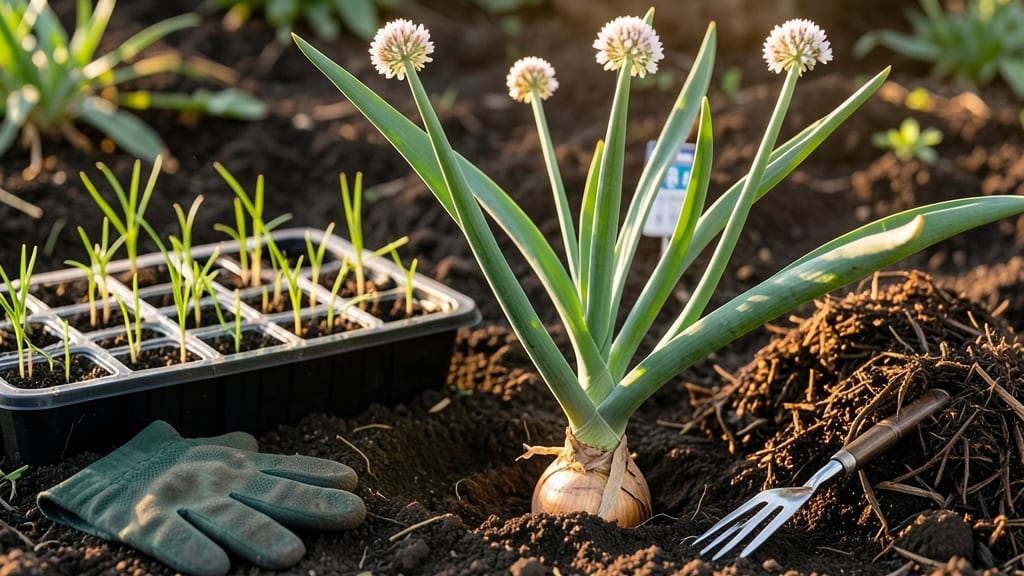
Planting onions in Zone 6b at the right time means the difference between a bountiful harvest and wasted effort — and soil temperature is the factor most gardeners miss.
Picture this: you’ve prepped your garden bed, ordered your favorite 🧅 sets, and then wait… nothing. The problem? Planting too early when the soil is still chilly, or too late when the days grow long. In Zone 6b, timing isn’t just about the calendar—it’s about the thermometer.
Spring-planted onions need soil in the 40–60°F range to sprout reliably, while fall plantings must happen 8–10 weeks before frost to mature before winter sets in. Get it wrong, and you’ll either watch your seeds rot or your bulbs bolt.
Below, I’ll walk you through the fastest ways to test soil readiness, the best onion varieties for staggered planting, and how to use mulch or black plastic to trick the soil into warming up—so you can finally stop guessing and start growing.
Optimal planting windows for onions in Zone 6B by soil temperature
Getting the timing right for onion planting in Zone 6B isn't just about calendar dates—it's all about soil temperature. Onions thrive when soil hovers between 40°F and 60°F, and planting too early or late can stunt growth or trigger bolting.
In my experience, soil thermodynamics are the real game-changer for consistent harvests.
Most gardeners in Zone 6B focus on frost dates, but soil temperature tells the real story. Cold soil delays germination, while warm soil speeds it up—but too warm can make onions bolt prematurely.
The key is planting when your soil is consistently between 40°F and 60°F, whether in spring or fall.
Here's the breakdown: Spring planting works best when soil reaches 40°F (usually 4-6 weeks before last frost), while fall planting requires soil to stay above 50°F until harvest. The comparison table below makes this crystal clear.
| Planting Window | Ideal Soil Temp | Zone 6B Months | Key Considerations |
|---|---|---|---|
| Early Spring | 40-50°F | March-April | Plant 4-6 weeks before last frost; use black plastic to warm soil faster |
| Late Spring | 50-60°F | April-May | Avoid if temps exceed 65°F; risk of bolting increases |
| Early Fall | 50-60°F | August-September | Plant 8-10 weeks before first frost; harvest before hard freeze |
| Late Fall | 40-50°F | September-October | Risky; may not mature before winter; best for green onions |
Testing soil temperature without a fancy thermometer is easier than you think. I use the finger test: Stick your finger into moist soil. If it feels cool but not icy, it's likely 40-50°F.
For 50-60°F, the soil should feel warm but not hot. Another trick? Press your palm against the soil—if it feels comfortably warm, it's ready for planting.
For spring planting, aim for March or early April when soil hits 40°F. This gives onions enough time to mature before summer heat arrives.
I've found that planting onion sets (small bulbs) in early March gives me a jumpstart, while seeds need slightly warmer soil (45°F) to germinate reliably.
Fall planting in Zone 6B is all about timing harvests before hard frosts. Plant in late August or early September when soil is still 50-60°F. This ensures onions mature before temperatures drop below 32°F.
I've had success with short-day varieties like 'Red Baron' or 'Sweet Spanish' in fall plantings—they handle cooler temps better.
One common mistake? Planting too early when soil is still cold. I once planted in February, and my onions sat dormant for weeks. Always wait until soil reaches 40°F—patience pays off with faster sprouting and stronger bulbs.
Another pitfall is overheating soil in late spring, which triggers bolting (flowering instead of bulbing).
To extend your planting window, consider black plastic mulch in early spring. It warms soil by 5-10°F, helping onions germinate faster. Just remove it once soil hits 60°F to prevent overheating. For fall plantings, use straw mulch to insulate soil and protect young plants from early frosts.
Remember, soil temperature is your best friend when planting onions in Zone 6B. By mastering these windows—40-50°F for early spring and 50-60°F for fall—you'll avoid the most common mistakes and enjoy a steady supply of homegrown onions all season long.
Zone 6B onion varieties that thrive with early or late planting
In Zone 6B, staggered planting of onions is your secret to a continuous harvest. The key lies in choosing day-length varieties that match your planting window—whether you're sowing in early spring or late summer.
Short-day onions (like Texas Early White) thrive when planted in fall, while intermediate-day varieties (such as Yellow Sweet Spanish) adapt well to both seasons.
Long-day onions, like Candy or Sweet Sandwich, are best suited for spring planting in Zone 6B. These varieties need 14+ hours of daylight to form bulbs, which aligns perfectly with our late March to April planting window.
For fall planting, prioritize short-day varieties that mature quickly before frost hits around mid-October.
| Variety | Day-Length | Best Planting Window | Maturity Days | Cold-Hardiness |
|---|---|---|---|---|
| Texas Early White | Short-day | August-September (fall) | 90-100 days | High |
| Yellow Sweet Spanish | Intermediate | March-April or August | 100-110 days | Moderate |
| Candy | Long-day | March-April (spring) | 110-120 days | Low |
| Red Baron | Intermediate | March-April or September | 95-105 days | Moderate |
| Sweet Sandwich | Long-day | March-April (spring) | 120-130 days | Low |
For fall planting in Zone 6B, focus on Texas Early White or Red Baron, which tolerate cooler soils and mature before frost. These varieties thrive when planted 8-10 weeks before the first frost, typically in late August to early September.
Their 90-105 day maturity ensures bulbs develop fully before winter sets in.
If you're planting in spring, prioritize long-day varieties like Candy or Sweet Sandwich. These need the longer daylight hours of late spring to form bulbs. Start seeds indoors in February or plant sets in March for a June-July harvest.
For intermediate-day varieties, like Yellow Sweet Spanish, you can plant either in spring or fall—they’re more flexible but still prefer cooler soils.
Pro tip: Use black plastic mulch in early spring to warm cold soils faster, especially for long-day varieties. This helps accelerate growth and prevents bolting. For fall plantings, add a thick layer of straw mulch to insulate bulbs from early frosts while still allowing them to mature.
Remember, soil temperature is your best friend in Zone 6B. Aim for 40-60°F soils when planting—use a soil thermometer or the finger test (soil should feel cool but not icy). With the right variety and timing, you can enjoy fresh onions from June through October!