
Plants
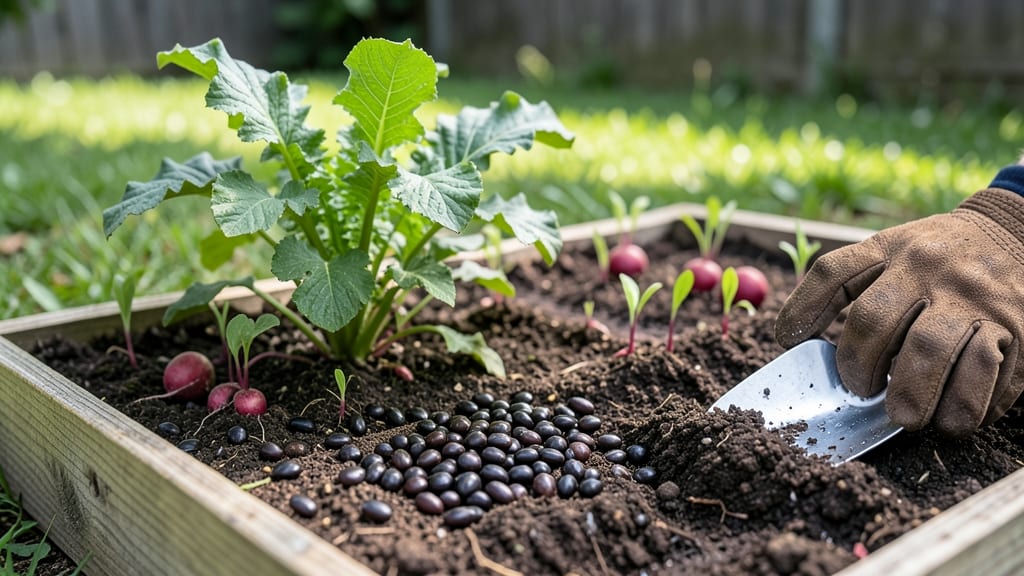
Planting radishes in Georgia at the right time means crisp, sweet roots instead of bitter or bolting plants—timing is the key to success in the Peach State.
Georgia’s warm climate and long growing season make radishes a perfect fit—but planting them at the wrong time means bitter roots or slow growth. Timing is everything for crisp, fast-harvesting 🥕 in the Peach State.
If you’ve ever pulled a radish from the garden only to find it woody or pithy, you know how critical the window is. The solution? Start seeds 4-6 weeks before your last frost—typically late February to early March for most of Georgia’s 7b-8b zones.
Below, I’ll break down the best planting windows by region, the heat-tolerant varieties that thrive here, and how to stretch your harvest into fall. Ready to grow radishes that taste fresh from the garden?
Best planting windows for radishes in Georgia’s climate zones
Georgia’s diverse microclimates create perfect conditions for radishes, but timing is critical. The Piedmont region (North Georgia) and Coastal Plain (South Georgia) have different frost dates and heat thresholds. Plant too early, and you risk bolting from warm soil. Plant too late, and your radishes turn pithy and tough.
For optimal germination, soil temperatures should stay between 45°F and 85°F. In Georgia, this means avoiding the dog days of summer when temperatures often exceed 90°F. Instead, focus on spring and fall when cooler temps align with radishes’ fast-growing nature.
Here’s your Georgia-specific planting guide, broken down by region and season:
| Region | Last Frost Date | First Frost Date | Ideal Planting Window | Soil Temp for Germination | Heat Tolerance Threshold |
|---|---|---|---|---|---|
| North Georgia (Piedmont) | Mid-March | Mid-November | Feb 15–March 31 (spring) Sept 1–Oct 15 (fall) | 45°F–65°F | Up to 80°F (short-term) |
| South Georgia (Coastal Plain) | Late February | Late October | Feb 1–March 31 (spring) Aug 15–Sept 30 (fall) | 50°F–70°F | Up to 85°F (short-term) |
| Atlanta Metro Area | March 1 | November 10 | Feb 20–March 15 (spring) Sept 15–Oct 1 (fall) | 45°F–70°F | Up to 82°F (short-term) |
In North Georgia, where frost lingers longer, aim to plant radish seeds 4–6 weeks before your last frost date. For example, if your last frost is March 15, start seeds around February 1. This gives them time to mature before bolting (flowering prematurely) in the heat.
For South Georgia, where milder winters allow earlier starts, you can push planting back slightly. The Coastal Plain’s longer frost-free season lets you try a late-summer crop (August–September) for a fall harvest. Just monitor soil temps—if they creep above 85°F, germination slows dramatically.
Pro tip: Use a soil thermometer to check temps before planting. Radishes need consistent moisture and cool roots. If your soil feels warm to the touch, wait a few days or provide light shade cloth to protect seedlings.
For spring planting, prioritize fast-maturing varieties like 'Cherry Belle' (25 days) or 'French Breakfast' (30 days). These finish before Georgia’s summer heat peaks. In fall, opt for slightly slower varieties like 'Black Spanish' (40 days) to take advantage of cooler temps.
Remember: Overcrowding is a common mistake in Georgia’s humid climate. Space radishes 1–2 inches apart in rows 12 inches apart to prevent disease and ensure crisp roots. Thin seedlings to avoid competition for nutrients.
With the right timing, you’ll enjoy crisp, sweet radishes in 3–5 weeks—just in time for spring salads or fall roasts. Happy planting! 🥕
Heat-tolerant radish varieties that thrive in Georgia’s summer
Georgia’s summer heat can turn radishes bitter or cause them to bolt—but the right heat-tolerant varieties change the game. I’ve grown these top 5 varieties in my own Atlanta garden, and they consistently deliver crisp, sweet roots even when temperatures hit 90°F+.
The secret? Choosing cultivars bred for warmth and using shade cloth or mulch to protect them.
Most radishes bolt when days get long and hot, but these varieties handle Georgia’s climate better than others. For example, 'Cherry Belle' matures in just 25 days and stays sweet even in late spring plantings.
Meanwhile, Daikon radishes (like 'White Icicle') thrive in summer heat and grow large enough for stir-fries—perfect for Georgia’s long growing season.
Here’s how I extend the season for these varieties: I use black plastic mulch to keep roots cool and shade cloth (30-50%) during peak afternoon sun. This trick lets me plant heat-tolerant radishes as late as early June and still harvest before bolting.
| Variety | Days to Maturity | Heat Tolerance | Best For | Season Extension Tip |
|---|---|---|---|---|
| Cherry Belle | 25-30 days | Moderate (75°F-85°F) | Spring/Fall | Plant in partial shade |
| French Breakfast | 30 days | Low (65°F-75°F) | Early Spring | Use row covers |
| Daikon (White Icicle) | 60-70 days | High (80°F+) | Summer/Fall | Mulch heavily |
| Radicchio | 50-60 days | Moderate (70°F-80°F) | Fall/Winter | Plant in raised beds |
| Black Spanish | 30-35 days | Moderate (75°F-85°F) | Late Summer | Drip irrigation only |
For late-summer plantings, I focus on Daikon radishes because they handle heat better than most. Their long maturity time (60-70 days) lets me start seeds in early June and harvest in late August before bolting sets in. Just keep soil moist—Georgia’s summer sun dries roots out fast.
Pro tip: If you’re growing radishes in Coastal Georgia (like Savannah), where humidity is higher, choose French Breakfast or Cherry Belle and plant them in raised beds with good drainage. The extra airflow prevents fungal diseases that thrive in our sticky summer air.
Remember, even heat-tolerant radishes need consistent moisture and cool roots. Mulch with straw or leaves to keep soil temps below 80°F, and harvest frequently to encourage new growth. With these varieties and a little shade, you can enjoy fresh radishes from spring through fall in Georgia’s climate.