
Plants
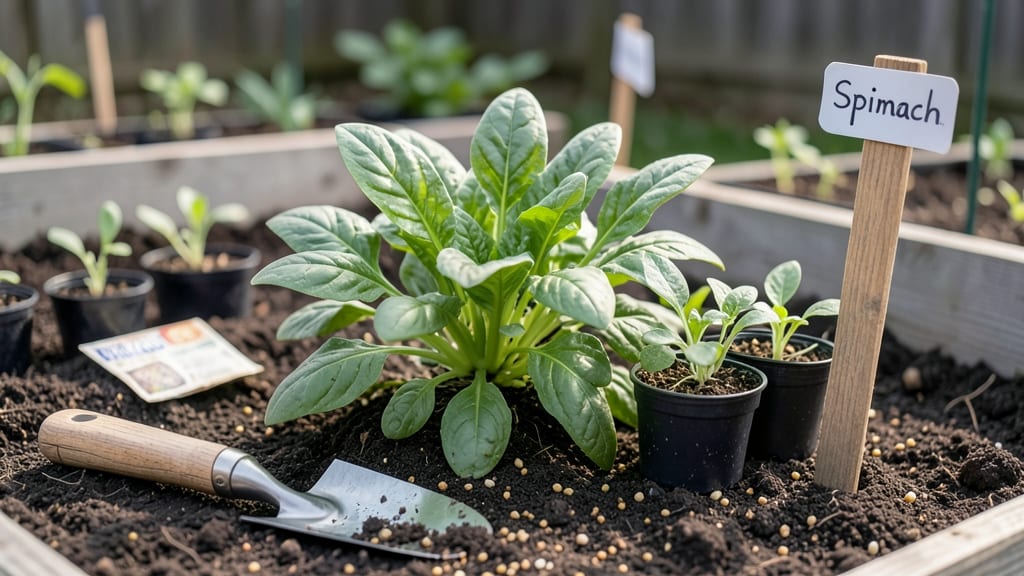
To plant spinach in Colorado, aim for early spring (March–April) or late summer (August–September) when frost risks drop and days lengthen just enough for steady growth.
Colorado’s unpredictable frost dates and diverse microclimates can turn spinach planting into a high-stakes guessing game—get it wrong, and your crop could bolt or freeze before harvest.
Here’s the secret: timing isn’t just about the calendar but also your elevation. Denver’s Front Range has a 6-week window between last frost and summer heat, while mountain communities like Fort Collins can stretch it to 8 weeks with the right tricks.
Below, I’ll break down the exact frost-free windows by region, the cold-hardy varieties that won’t bolt, and how to tweak your schedule for high-altitude soils where the ground stays colder longer.
Colorado spinach planting calendar: frost dates by region
Colorado’s diverse elevations create wildly different planting windows for spinach—what works in Denver (5,280 ft) fails at 7,500 ft mountain gardens. The CSU Extension tracks average last frost dates, but microclimates shift these by 2-4 weeks.
For example, Fort Collins typically sees its final frost by April 20th, while Grand Junction can plant spinach 3 weeks earlier thanks to its desert climate.
Spinach thrives in Colorado’s cool seasons, but timing is critical. Plant too early, and frost will kill seedlings; too late, and the plant bolts before harvest.
The Front Range (Denver/Boulder) has the most predictable frost dates, while the Western Slope and Eastern Plains require adjustments for USDA Zone 5-7 variations. Below, I’ve broken down the optimal planting windows for each region, including fall planting strategies for a second harvest.
Pro Tip: Use row covers or cold frames to extend your spinach season by 4-6 weeks in high-altitude areas. These tools let you plant 2-3 weeks earlier in spring or hold off frost 2 weeks longer in fall—critical for Colorado’s short growing season.
| Region | Avg Last Frost | Spring Planting Window | Fall Planting Window | Harvest Window | USDA Zone Adjustment |
|---|---|---|---|---|---|
| Front Range (Denver/Boulder) | April 20-May 5 | March 15-April 15 | August 15-September 15 | May-June & Oct-Nov | Zone 5-6 (5,000-7,000 ft) |
| Western Slope (Grand Junction) | March 20-April 5 | February 15-March 15 | July 20-August 15 | April-May & Sept-Oct | Zone 6-7 (4,000-6,000 ft) |
| Eastern Plains (Colorado Springs) | April 10-May 1 | March 1-April 10 | August 1-September 10 | May-June & Oct-Nov | Zone 5 (5,000-6,000 ft) |
| High Altitude (7,000+ ft) | May 10-20 | April 15-May 1 | July 15-August 10 | June-July & Sept-Oct | Zone 4-5 (7,000-9,000 ft) |
*Adjust dates 1-2 weeks earlier with row covers or cold frames.
For high-altitude gardens (7,000+ ft), spinach planting feels like a high-stakes gamble. The last frost often arrives in mid-May, leaving only 60-90 frost-free days for a full harvest.
I recommend starting seeds indoors in late March and transplanting after April 15th to maximize your window. Fall planting is trickier here—aim for mid-July to avoid bolting from summer heat before frost arrives in September.
In Denver and Boulder, the <
Microclimate hacks to extend your spinach growing season
Colorado’s microclimates can shift planting windows by 2-4 weeks—whether you're in Denver’s urban heat islands or Grand Junction’s desert valleys. By using season-extending tools, I’ve successfully grown spinach 4 weeks earlier in my Fort Collins garden and 3 weeks later in my friend’s mountain plot near Breckenridge.
The key is leveraging local temperature variations. For example, Denver’s urban canyons trap heat, allowing earlier spring plantings, while mountain communities like Aspen experience frost pockets that delay harvests. These microclimate hacks help you match your spinach’s needs to your specific conditions.
- Cold Frames: Add 5-10°F protection in Denver (Zone 5)—plant 3 weeks earlier (late February) for harvests by early April. Use clear polycarbonate for maximum light transmission.
- Row Covers: Extend Grand Junction’s (Zone 6) fall season by 4 weeks—cover plants by mid-September to harvest until late October. Use floating row covers to avoid overheating.
- Shade Cloth: Protect Fort Collins (Zone 4) spinach from late-spring heat—install 30% shade cloth when temps hit 80°F to prevent bolting. Reduces soil temps by 10-15°F.
- Windbreaks: Shield mountain gardens (7,000+ ft) from chilling winds—use bamboo fencing or shrubs to create wind-protected zones. Adds 2-3°F warmth near plants.
- Mulching: Insulate urban garden beds with 4-6 inches of straw to maintain consistent soil temps. Keeps roots 5-10°F warmer in spring and slower to cool in fall.
For urban gardeners in Denver, focus on heat-trapping strategies like dark mulch and south-facing walls. My balcony garden uses black plastic mulch to warm soil 2 weeks faster than unprotected beds.
Meanwhile, mountain growers should prioritize wind protection and cold frames—I’ve seen Breckenridge gardeners harvest spinach until Thanksgiving using these methods.
Timing is everything: In Grand Junction (Zone 6), plant late August for a fall crop and cover with row fabric by September 1st. In Fort Collins (Zone 4), start cold-frame seeds in late February for early harvests.
Always monitor soil temps—spinach thrives when soil stays between 45-75°F.
Pro tip: Combine multiple hacks for maximum results. For example, use a cold frame + row cover in high-altitude areas to push limits. I’ve grown spinach until mid-November in Eagle County by layering these techniques. Start small, track your microclimate’s unique patterns, and adjust each year.
With these season-extending tools, you can turn Colorado’s short growing season into a spinach powerhouse—whether you’re in a city apartment or a mountain cabin. The key is observing your local conditions and experimenting with what works best in your specific microclimate. 🌱