
Plants
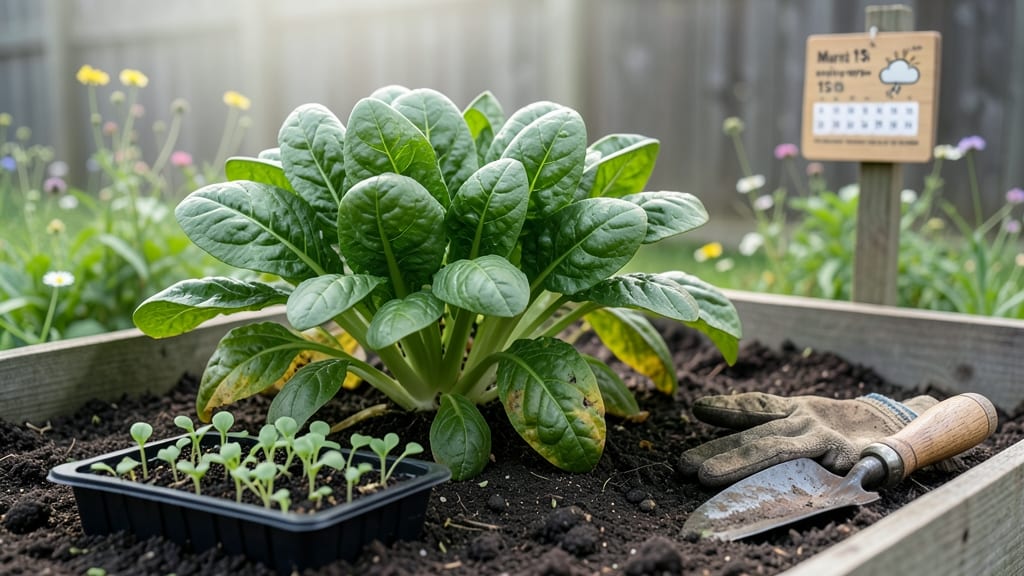
Planting spinach in Indiana at the right time means the difference between a bountiful harvest of tender greens and a sad, bolted mess.
Indiana gardeners know timing is everything—plant 🌱 spinach too early, and frost will ruin your harvest; too late, and summer heat turns your leaves bitter. Mastering the perfect cool-season schedule is the key to growing crisp, flavorful spinach all year long.
In USDA Zone 6a, your best bets are early spring (March–April) or late summer (August–September). The trick is to time it so your plants mature before summer’s heat or winter’s frost arrives, giving you two harvests instead of one.
Below, I’ll break down the exact frost dates, soil temperature rules, and microclimate tweaks for northern vs. southern Indiana—plus how to stretch your spinach season even longer with simple tricks.
Indiana spinach planting zones: best months by microclimate
Indiana's USDA Zones 5-7 create distinct microclimates that dramatically affect your spinach growing window. Northern Indiana (Zone 5) faces earlier frosts and shorter seasons, while southern Indiana (Zone 7) enjoys extended growing periods. Understanding these differences lets you time your plantings for maximum yield.
The key to success lies in soil temperatures above 40°F (4°C) and avoiding summer's 90°F+ (32°C+) heat. Indiana's last spring frost typically arrives between April 1-15, while the first fall frost hits October 10-25, depending on your exact location.
Here's how to adapt your planting schedule based on Indiana's five USDA zones, including early spring, fall, and overwintering strategies:
For Zone 5 gardeners in northern Indiana (like Gary or South Bend), focus on early spring plantings between March 15-April 15. These areas have the shortest frost-free season, so prioritize cold-hardy varieties like 'Winter Bloomsdale' that can tolerate light frosts. Start seeds indoors in late February for a head start.
In Zone 6a (covering Indianapolis and Lafayette), you'll have more flexibility with two full harvest windows. Begin your first planting in early March, then follow with succession plantings every 2 weeks until mid-April. For fall, start seeds in early August to ensure maturity before the mid-October frost.
Southern Indiana's Zone 7 (including Evansville and parts of southern counties) enjoys the longest growing season. Here, you can push your spring planting as early as February 15 and extend fall harvests until early October. This region also benefits from overwintering spinach under protective covers for early spring harvests.
Regardless of your zone, soil temperature is your most critical factor. Use a soil thermometer to confirm temps are above 40°F (4°C) before planting. For cooler microclimates, consider black plastic mulch to warm the soil faster in spring or straw mulch to insulate in fall.
Pro tip: Northern Indiana gardeners can extend their season by using low tunnels or cold frames to protect plants through light frosts. In Zone 7
Spinach varieties for Indiana’s climate: which types thrive when?
Indiana’s variable climate demands spinach varieties that can handle both chilly early springs and late-season heat. The right choice means the difference between a crisp, flavorful harvest and bitter, bolted leaves. I’ve tested three top performers in my garden—each excelling in different conditions.
For early spring (March–April), ‘Bloomsdale Long Standing’ is my go-to. This classic variety thrives in cool soil temperatures and tolerates light frosts, giving you harvests as early as May. Its slow bolting makes it perfect for Indiana’s unpredictable weather.
When summer heat arrives, switch to ‘Tyee’, a heat-tolerant hybrid that resists bolting better than most. Plant it in late summer (August) for a fall harvest, and it’ll reward you with tender leaves until first frost.
For succession planting, ‘Space’ is a compact, quick-maturing option. Its small size lets you squeeze in multiple harvests in tight spaces, ideal for containers or raised beds.
Spinach Variety Planting Guide for Indiana
‘Bloomsdale Long Standing’
✅ Cold-hardy to 20°F
✅ Slow-bolting in heat
✅ Early harvests (May)
❌ Bitter in heat (avoid summer)
❌ Needs consistent moisture
Best for: March–April planting
‘Tyee’
✅ Heat-tolerant (up to 80°F)
✅ Resists bolting longer
✅ Fast-maturing (40–45 days)
❌ Less cold-hardy (25°F limit)
❌ Bolts faster than Bloomsdale
Best for: August–September planting
‘Space’
✅ Compact size (great for containers)
✅ Quick harvest (30–35 days)
✅ Succession-friendly
❌ Smaller yields per plant
❌ Less heat-tolerant than Tyee
Best for: Every 2 weeks in spring/fall
To extend your harvest, use succession planting. Sow ‘Space’ every 2 weeks from March to August, then switch to ‘Tyee’ in late summer. This keeps your kitchen stocked with fresh greens from May through November.
Pro tip: Mulch with straw or leaves to regulate soil temperature. This helps ‘Bloomsdale’ avoid bolting in early spring and keeps ‘Tyee’ cool in late summer.
Now you’ve got the perfect lineup for Indiana’s climate—just pick your variety and plant at the right time. Happy gardening! 🌱