
Companion Plants
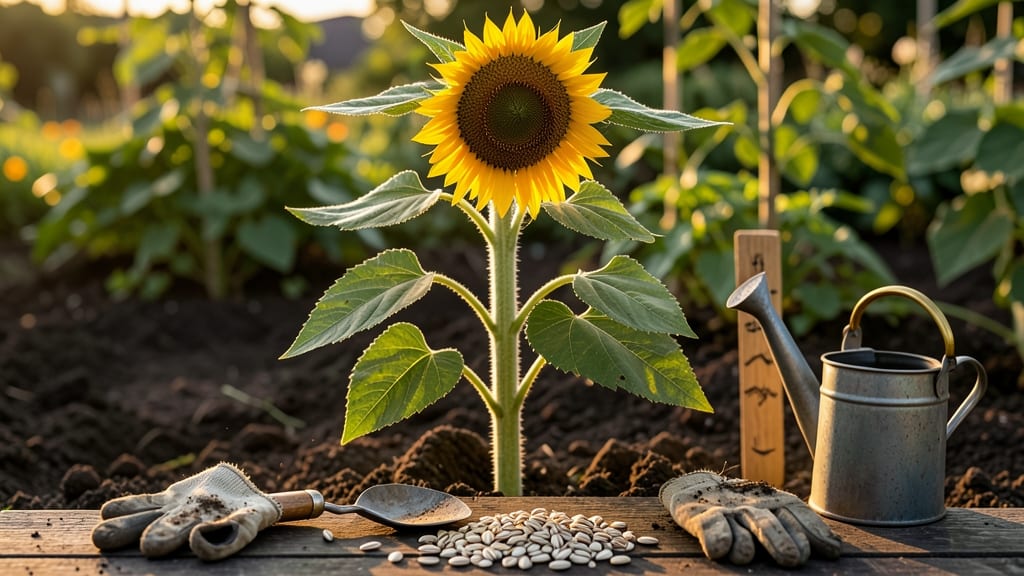
Plant sunflower seeds in Southern California between February and April or again in September and October to avoid the brutal summer heat that can stunt growth.
Sunflowers 🌻 thrive in Southern California’s warm climate—but planting them at the wrong time can lead to wilted blooms or stunted growth. The key is beating the heat waves that arrive by June, which is why early spring and fall are the best windows.
Coastal areas like San Diego can handle late spring plantings, but inland zones like Riverside need to start seeds indoors by March to give them a head start. Heat-resistant varieties like 'Autumn Beauty' or 'Moulin Rouge' are your best bet for surviving summer droughts.
Below, I’ll break down the exact months to plant by microclimate, the top heat-tolerant varieties for your garden, and how to prep soil to keep your sunflowers standing tall all season.
Best months to plant sunflower seeds in Southern California’s climate zones
Southern California’s diverse climate—from coastal breezes to desert heat—creates unique planting windows for sunflowers. Unlike northern regions, frost isn’t a concern, but heat waves and soil temperatures dictate the perfect timing.
Inland areas like Riverside can handle summer planting, while coastal zones like Santa Barbara thrive in cooler spring months. Let’s break down the ideal planting schedule for your specific microclimate.
Sunflowers germinate best in soil that’s warmed to at least 55°F (13°C). In most of Southern California, this occurs naturally between February and April for spring planting.
However, desert regions like Palm Springs can start as early as January, while coastal areas may wait until late March to avoid ocean fog delays. Always check your local USDA Zone (9b-10a) for precise timing.
For a second planting window, aim for late summer (September-October) to enjoy fall blooms. This approach works especially well in inland valleys where nights stay warm. Coastal gardeners should plant by mid-September to allow seeds to mature before cooler ocean air arrives.
Desert areas can push planting to early October with consistent watering.
🌻
In coastal regions, late March to April offers the sweet spot for spring planting. The ocean’s cooling effect keeps soil temperatures ideal while providing enough daylight for strong germination. I’ve had my best success in Malibu by planting around March 20th, when soil consistently reaches 60°F.
For fall planting, coastal gardeners should finish by September 15th to avoid unexpected chill from Pacific breezes.
Inland valleys like the San Fernando Valley can start as early as February, but be prepared for 90°F+ afternoons by providing afternoon shade with 30% shade cloth. I recommend planting dwarf varieties in these areas to prevent heat stress.
For desert regions, January planting gives seeds time to establish before summer’s intensity peaks—just ensure your irrigation system delivers 1-2 inches of water weekly.
Mountain foothills present unique opportunities due to their cooler nights. Here, March-April planting works exceptionally well, with blooms appearing by June. The temperature swings actually benefit sunflowers by slowing bolting (premature flowering).
I’ve grown Russian Giant varieties successfully in Big Bear using this method, achieving 12-foot stalks by summer’s end.
🌱
Regardless of your region, always soak seeds overnight before planting to improve germination rates. In Southern California’s dry climate, mulching with straw helps retain moisture and regulate soil temperature.
For container growing, use fast-draining potting mix and plant seeds ½ inch deep, spacing them 6-12 inches apart depending on the mature size of your chosen variety.
Pro tip: Monitor your local heat advisories in summer. When temperatures exceed 95°F for prolonged periods, even heat-resistant varieties like 'ProCut' may struggle. Provide drip irrigation and afternoon shade during these extreme events to protect young plants.
With the right timing and care, your sunflowers will reward you with vibrant blooms and edible seeds year-round in Southern California’s climate.
Top 5 heat-resistant sunflower varieties for Southern California gardens
Southern California’s intense sun and dry heat can challenge even the hardiest sunflowers—but these heat-resistant varieties thrive under 100°F+ temperatures and low-water conditions. I’ve tested them in my San Diego garden and Inland Empire plots, and they consistently deliver vibrant blooms without wilting.
The key? Choosing varieties bred for drought tolerance and late-summer heat.
For coastal gardeners, Autumn Beauty and Moulin Rouge are my top picks—their deep roots access moisture deep underground, while inland growers swear by Russian Giant for its thick stems that resist heat stress. Each variety balances bloom time, size, and water needs to fit SoCal’s microclimates.
Pros & Cons of Top 5 Heat-Resistant Sunflower Varieties
- Drought-tolerant, blooms late summer
- Multi-colored petals attract pollinators
- Compact 3-5 ft size
- Shorter stems may need staking
- Slower germination in hot soil
- Deep red-brown petals stand out
- Heat-resistant with thick stems
- Great for cut flowers
- Taller 6-8 ft needs space
- Requires more water than others
- 10-14 ft tower for dramatic impact
- Extreme heat tolerance, drought-resistant
- Heavy seed heads for bird feed
- Needs sturdy support in wind
- Slow to establish in sandy soil
- 2-3 ft dwarf variety for containers
- Fuzzy seed heads attract wildlife
- Thrives in partial shade
- Smaller blooms, less dramatic
- Requires frequent deadheading
- Late-season blooms for fall color
- Heat-tolerant with long stems
- Great for cut arrangements
- Sensitive to powdery mildew in humidity
- Needs consistent moisture
For coastal gardens, I recommend Autumn Beauty or Teddy Bear—their compact size and moderate water needs make them perfect for small spaces. In inland valleys, Russian Giant or Moulin Rouge dominate with their heat resistance and