
Flowers
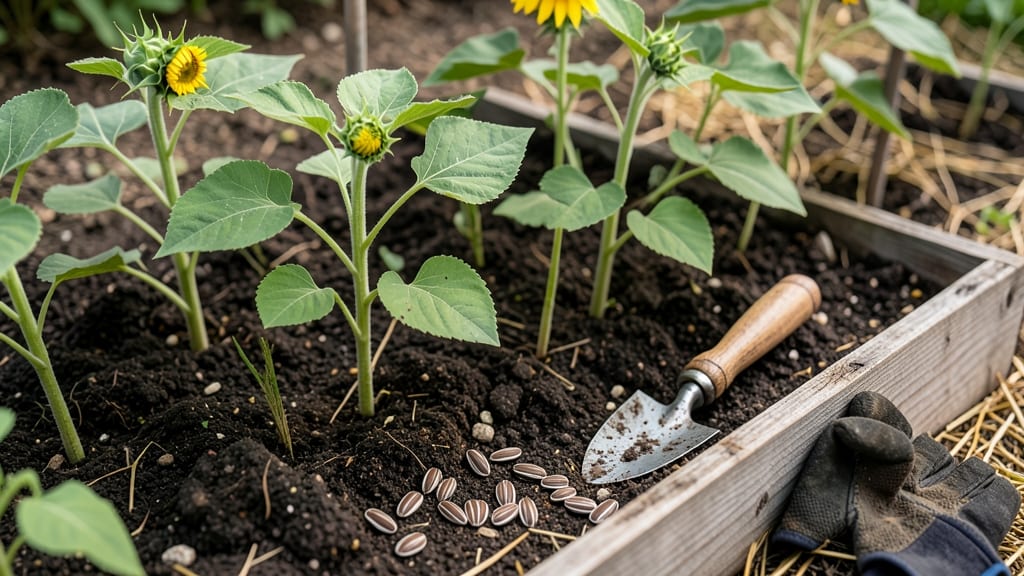
To plant sunflowers in Zone 7 at the perfect time, aim for when soil temperatures hit 50°F–60°F—typically mid-April to early June or late July for fall blooms 🌻.
Sunflowers bring vibrant color and effortless beauty to any garden—but planting them at the wrong time in Zone 7 can mean slow growth, poor yields, or even failed germination. Mastering the exact soil temperature triggers will help you grow sunflowers that tower over your space in just 60–90 days.
Zone 7’s spring frost risk lingers until early April, so waiting for warmer soil speeds up germination and ensures stronger plants. A simple soil thermometer check (or watching nearby crops like beans sprout) tells you when it’s safe to sow.
Below, I’ll break down the ideal planting windows, how to test soil temps like a pro, and which sunflower varieties thrive fastest in your climate—so you can enjoy those towering blooms all season long.
Zone 7 sunflower planting calendar: exact dates based on soil temperature
Sunflowers thrive in Zone 7 when planted at the right time—typically when soil temperatures consistently reach 50°F-60°F. This window ensures fast germination and strong root development before summer heat arrives.
In my experience, timing varies slightly between Zone 7a (cooler) and 7b (warmer), so I’ll break it down for both.
Spring planting is the most common approach, but fall plantings can also work if you’re aiming for late-season blooms. The key is avoiding late frosts (after April 15 in 7a, April 1 in 7b) and ensuring seeds don’t rot in cold, wet soil.
Let’s dive into the exact dates and soil temp triggers you need to know.
🌱
For Zone 7a (cooler regions like the Piedmont), aim to plant sunflower seeds between April 20 and May 10 when soil temperatures stabilize at 50°F-58°F. This timing gives seedlings enough time to establish before summer heat peaks.
In Zone 7b (warmer areas like the Appalachians), you can start as early as late March when soil hits 55°F-62°F.
If you miss the spring window, don’t worry—sunflowers are resilient! You can still plant a fall crop in late July to early August, targeting soil temps of 55°F-65°F. This method works best for dwarf varieties like ‘Teddy Bear’ or ‘Moulin Rouge’, which bloom faster and avoid frost damage.
Just be sure to harvest seeds before the first frost hits (October 15 in 7a, November 1 in 7b).
Regional microclimates play a huge role in sunflower success. In the Piedmont region, cooler nights can delay germination, so I recommend using black plastic mulch to warm the soil faster.
Meanwhile, in the Appalachian foothills, warmer afternoons mean you can plant up to 2 weeks earlier than the general Zone 7b guidelines. Always check your local frost-free date and adjust accordingly.
If you’re a late starter and miss the ideal windows, don’t panic! You can still plant sunflowers in early June when soil temps reach 60°F+. While your plants may be smaller, they’ll still produce vibrant blooms and attract pollinators.
Just choose shorter varieties like ‘Sunspot’ or ‘Autumn Beauty’ for better results in tight spaces.
Pro tip: Use a soil thermometer to double-check temperatures before planting. Stick it in the ground at 2-inch depth (where seeds will be) and wait until readings are consistent for at least 3 days.
This small step can save you from rotten seeds or slow germination. I’ve seen beginners plant too early in cold soil, only to watch their seeds mold instead of sprout.
Once your sunflowers are in the ground, focus on
How to test soil temperature for sunflower success (DIY guide)
Sunflowers thrive when planted in soil that’s warmed to the right temperature, but many gardeners guess instead of testing. In Zone 7, soil temperatures below 50°F can delay germination by weeks—or even kill seeds entirely.
The key is checking soil temperature before planting, not just relying on air temperature or calendar dates.
Most gardeners assume their soil is ready when daytime air temps hit 60°F, but this is misleading. Soil warms more slowly, especially in shady spots or after cold snaps.
For sunflowers, ideal germination temperatures range between 50°F and 60°F. If your soil is colder, seeds may rot; if it’s hotter, they’ll dry out before sprouting.
⚠️ WARNING: Planting sunflowers too early in cold soil is a common mistake! Seeds need consistent warmth to germinate, and Zone 7’s unpredictable spring weather can leave your seeds struggling.
Even if the calendar says "spring," your soil might still be too cold. Always test before planting to avoid wasted seeds and disappointment.
To test soil temperature accurately, you’ll need a few simple tools. A soil thermometer (digital or dial) is the easiest method—just insert the probe 2-3 inches deep (where you’ll plant seeds) and wait 30 seconds for a reading.
For a DIY alternative, use a seedling test: plant a few seeds in a small pot of your garden soil indoors under a grow light. If they sprout within 7-10 days, your outdoor soil is likely ready.
Timing matters too: morning soil temperatures are often 5-10°F cooler than afternoon readings. For the most accurate gauge, take readings at 10 AM (when soil has warmed but isn’t yet overheated).
If your soil is below 50°F, wait 1-2 weeks and retest. Planting in 50°F-60°F soil ensures sunflowers sprout within 7-14 days, not the 3+ weeks you’d see in cooler conditions.
If your soil is too cold, don’t rush planting. Instead, use black plastic mulch or a cold frame to warm it faster. These methods can raise soil temps by 5-10°F in just a few days, giving you a head start on the growing season.
For fall plantings (late July-August in Zone 7), monitor soil temps closely—cooling nights can drop temps unexpectedly, stalling germination.
Once your soil hits the sweet spot, plant sunflower seeds 1 inch deep and keep them moist until sprouts appear. With the right temperature, you’ll see those first bright green leaves in no time—proof your sunflowers are on their way to becoming the tall, cheerful giants you planted for! 🌻