
Plants
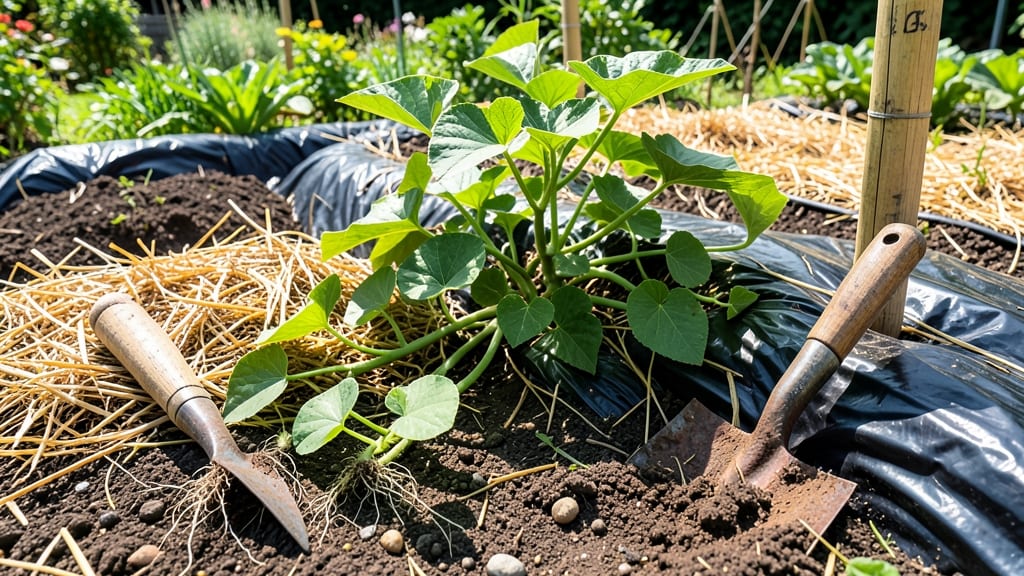
Plant sweet potatoes in Zone 7 when soil temperatures hit at least 60°F, typically late May to early June—that’s the sweet spot for fast, healthy growth.
Sweet potatoes thrive in warm soil, but planting them too early in Zone 7 can stunt growth—or worse, trigger rot. Timing these tubers right means the difference between a bumper harvest and wasted effort.
Most gardeners in Zone 7 wait until after the last frost (usually mid-April) but rush to plant slips too soon. The key is soil warmth, not just calendar dates—60-65°F is ideal for root development, and cooler temps slow everything down.
In this guide, I’ll break down the exact planting window, how to test soil readiness, and why slips (not seeds) are the easiest way to grow them. You’ll also learn when to harvest for the sweetest tubers.
Zone 7 sweet potato planting timeline: soil temperature & climate triggers
Sweet potatoes are warm-season crops that demand consistent soil temperatures above 60°F (15°C) to thrive. In Zone 7, where last frost typically occurs around April 15 but soil warms more slowly, timing is everything.
Planting too early risks stunted growth or even rot—while waiting too long cuts your harvest window short.
Your ideal planting window spans late May to early June, aligning with when soil reaches 65-70°F (18-21°C) at 6-inch depth. This ensures rapid vine establishment and optimal tuber development before cooler fall temperatures arrive.
Regional microclimates in Virginia, North Carolina, and Tennessee can shift this by 1-2 weeks, so always verify local frost data.
To test soil readiness, use a soil thermometer or the back-of-hand test: press your hand into the soil—if it feels comfortably warm (not hot), it’s ready. Cold soil slows germination, while overly hot soil can stress young slips.
Aim for 65°F (18°C) as your sweet spot for balanced growth.
In Virginia’s Piedmont region, where nights cool faster, delay planting until June 1 to avoid early-morning chills. Meanwhile, North Carolina’s coastal plains can start as early as mid-May due to warmer microclimates. Tennessee’s Appalachian foothills should wait until June 10 to ensure soil warmth consistency.
Use black plastic mulch to raise soil temperatures by 5-10°F if planting early. This trick extends your planting window by 1-2 weeks in cooler pockets of Zone 7. Remove mulch once vines establish to prevent overheating. Pair this with drip irrigation to maintain moisture without cooling the soil.
Watch for frost warnings after October 15, as sweet potatoes cannot tolerate frost.
If a late frost threatens, cover plants with row fabric to protect emerging vines. Harvest before first frost for the sweetest tubers, or let frost kill vines for even sweeter flavor (harvest within 1-2 weeks after dieback).
For home-grown slips, start them indoors 8-10 weeks before your target planting date. Use well-draining pots and grow lights to mimic Zone 7 summer conditions. Harden off slips for 1 week before transplanting to prevent transplant shock in your garden.
Pro tip: Plant early-maturing varieties like ‘Beauregard’ (90 days) if you’re near Zone 7’s northern edge. Longer-season types like ‘Georgia Jet’ (120 days) work better in warmer southern microclimates. Always check seed packet days-to-maturity against your first frost date.
Remember, soil temperature matters more than air temperature for sweet potatoes. A 70°F (21°C) day with 55°F (13°C) soil will stall growth, while a 60°F (15°C) day with 70°F (21°C) soil will promote rapid vine spread. Use a soil thermometer for accuracy—it’s your best tool for
Sweet potato planting methods in Zone 7: slips vs seeds & best practices
When growing sweet potatoes in Zone 7, your choice between slips (sprouted cuttings) and seeds dramatically impacts your harvest. Slips offer faster growth and higher yields, while seeds provide variety options but require more patience. I’ve grown both methods successfully—here’s my step-by-step comparison to help you decide.
For Zone 7 gardeners, timing is everything. Plant slips after the last frost (typically mid-May) when soil reaches 60-65°F. Seeds, however, can be started indoors 8-10 weeks before your last frost date.
The key difference? Slips give you a 90-day harvest window, while seeds may take 120-150 days to mature—critical for Zone 7’s short growing season.
For optimal spacing, maintain 12-18 inches between plants in rows spaced 3 feet apart. This gives vines room to spread (they can reach 3-5 feet wide) while preventing competition. I’ve found that mulching with straw helps retain moisture and suppresses weeds—critical in Zone 7’s hot summers.
Companion planting boosts yields too. Pair sweet potatoes with bush beans (they fix nitrogen) or corn (provides shade). Avoid planting near potatoes or tomatoes, as they share pests. My best harvests came from raised beds with compost-rich soil—sweet potatoes love well-draining, slightly acidic soil (pH 5.8-6.5).
Pro tip: If using seeds, soak them for 24 hours before planting to speed germination. For slips, trim roots to 4-6 inches before transplanting to encourage tuber development. Both methods benefit from deep watering at the base (avoid wetting leaves to prevent disease).
Remember, sweet potatoes are heat-loving plants—Zone 7’s summer heat is perfect for them! With the right method, you’ll harvest firm, sweet tubers by October or November, just in time for storage. Happy planting! 🍠