
Plants
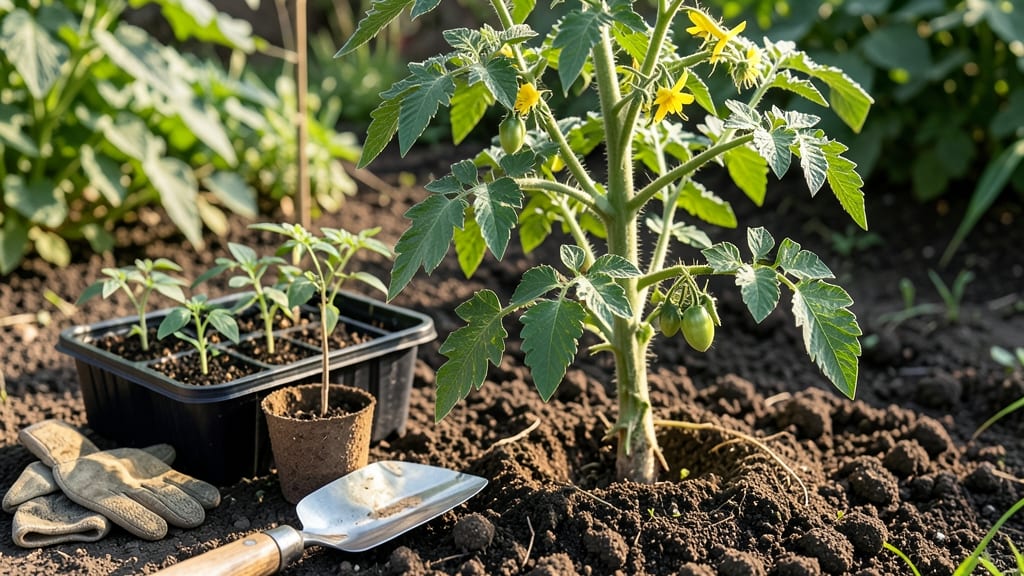
Planting tomatoes in East Texas at the right time means the difference between a bountiful harvest and a sad, wilted vine 🍅—and the clock starts ticking after your last frost.
East Texas gardeners know timing is everything—plant tomatoes too early, and frost will kill your crop; too late, and summer heat arrives before your plants bear fruit. Mastering the perfect planting window ensures juicy, homegrown tomatoes all season long.
With USDA Zone 8a conditions, your best bet is mid-March to early April for spring plantings, but urban heat islands and microclimates can shift that window by two weeks.
Below, I break down the exact dates for Tyler, Longview, and Beaumont, plus how to adjust for late frosts or early heat.
You’ll also discover how to prepare your soil, choose heat-tolerant varieties, and even squeeze in a fall harvest—because in East Texas, the growing season never really stops.
East Texas frost dates and ideal tomato planting windows by microclimate
East Texas gardeners face unique challenges when planting tomatoes—our humid summers and unpredictable frosts demand precise timing. The last average frost date varies across regions, from March 15 in Tyler to March 25 in Beaumont, creating microclimates that affect your planting schedule.
Understanding these differences ensures your tomato seedlings thrive without frost damage or wasted effort.
For urban gardeners, heat islands can push last frost dates 5-7 days earlier than rural areas. Meanwhile, elevated terrain (like in Longview) may experience colder pockets requiring delayed planting. These nuances mean one-size-fits-all advice won't work—your tomato planting window depends on your specific location and microclimate.
Below is a region-by-region breakdown of ideal planting windows for transplanting seedlings and direct sowing seeds, accounting for both spring and fall harvests.
Urban areas may adjust their schedules 1-2 weeks earlier due to warmer microclimates, while rural gardeners should err on the side of caution with later dates.
When transplanting tomato seedlings, aim for soil temperatures above 60°F—this prevents root shock and encourages faster growth. In Tyler and Longview, this typically aligns with late March to early April, while Beaumont's warmer climate allows planting as late as mid-April.
Use black plastic mulch to warm the soil 2-3 weeks earlier if needed.
For direct sowing seeds, wait until mid-April in most of East Texas, as seedlings take 60-70 days to mature. In rural areas, push planting to early May to avoid late spring frosts.
Urban gardeners can start 2 weeks earlier due to warmer microclimates, but monitor nighttime temperatures—tomatoes struggle below 50°F.
Don’t overlook fall planting for a second harvest! In Tyler and Lufkin, sow seeds or transplant July 20-August 5 for September-October tomatoes.
How to adjust tomato planting for East Texas heat and humidity
East Texas summers bring scorching heat and stifling humidity, turning tomato plants into wilted messes if you don't adapt. The key is strategic adjustments—like choosing the right varieties, protecting plants from midday sun, and keeping roots cool.
I’ve learned that heat-tolerant tomatoes like 'Celebrity' or 'Heatmaster' can handle 95°F+ temps better than standard varieties, but even they need help beating the heat.
One of my biggest mistakes was ignoring mulching—until I saw my neighbor’s tomatoes thriving under 3 inches of straw while mine struggled. Mulch isn’t just for weeds; it retains moisture, regulates soil temperature, and even reduces fungal diseases from splashing water.
Pair that with drip irrigation (never overhead watering!) and you’ll avoid the dreaded blossom-end rot that plagues East Texas gardens.
Here’s my step-by-step guide to adjusting your tomato planting for East Texas’s brutal summers—because a little planning goes a long way toward a bountiful harvest instead of a sad, sun-scorched vine.
- 1. Start with heat-tolerant varieties like 'Celebrity', 'Heatmaster', or 'Solar Fire'. These thrive in 90°F+ temps and produce fruit even when other plants bolt.
- 2. Use shade cloth (30-50%) during peak summer months (June-August). Install it temporarily over plants to block midday sun (11 AM–3 PM) without stunting growth.
- 3. Mulch heavily (3+ inches) with straw or wood chips to keep roots 5-10°F cooler. Dark mulch also absorbs heat, which helps at night when temps drop.
- 4. Water deeply in the morning (1-2 inches per week) and avoid wetting leaves to prevent fungal diseases like early blight. Use drip irrigation or soaker hoses.
- 5. Succession plant in late July for a fall harvest. Choose determinate varieties (like 'Roma') that ripen quickly before the first frost (usually mid-November).
Don’t overlook soil prep—East Texas clay holds heat like a microwave. Amend your beds with compost and aged manure before planting to improve drainage and moisture retention. I also swear by raising beds slightly (6–12 inches) to improve airflow and reduce soil compaction from heavy rains.
For container gardening, opt for self-watering pots and heat-reflective paint (like white on the north side) to keep roots cool. My Heatmaster plants in containers produced 20% more tomatoes than those in-ground during last summer’s 100°F heat waves.
Finally, monitor your plants daily for signs of stress—wilting leaves, yellowing foliage, or dropped blossoms all signal heat shock. A quick shade adjustment or deep watering can save your plants before they give up.
With these tweaks, you’ll enjoy tomatoes from June through October—no wilting in sight! 🍅