
Plants
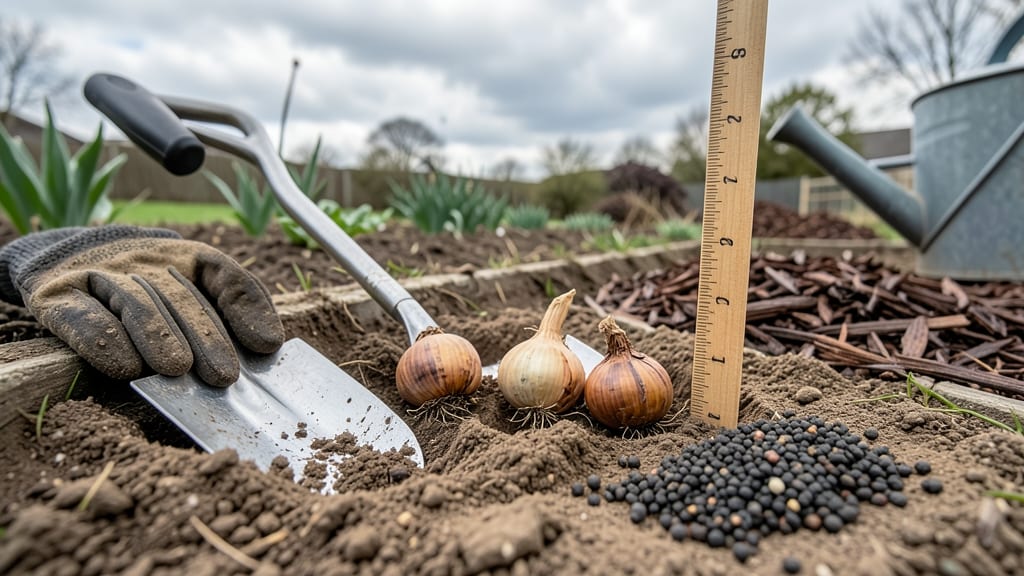
Planting tulip bulbs in Southern California requires timing them for cooler winter months—between November and January—when soil temperatures drop just enough to trigger dormancy without risking rot.
Here’s the catch: unlike colder climates, our mild winters mean tulips can wake up too early, leading to weak stems or no blooms at all.
But with the right microclimate strategy—whether you’re in coastal Santa Barbara or inland Riverside—you can outsmart the heat and enjoy vibrant spring flowers year after year.
This guide breaks down the best planting windows by zone, soil prep secrets to prevent bulb rot, and how to pick varieties that actually thrive in USDA zones 9b-11. No frost? No problem.
You’ll learn exactly when to plant, how deep to bury those bulbs, and the one care mistake that kills more tulips in Southern California than any other. Let’s get started.
Best planting months for Southern California tulips by microclimate zone
Southern California’s frost-free winters throw a wrench into traditional tulip planting schedules. While most gardeners plant in fall, our mild climate demands a different approach. The key? Planting when soil temperatures drop below 60°F but before winter rains arrive. This ensures bulbs establish roots without rotting from excess moisture.
Your success hinges on understanding three distinct microclimates: coastal, inland, and desert regions. Each has unique temperature patterns and rainfall cycles that dictate the perfect planting window.
For coastal areas, aim for November when ocean breezes cool the soil. Inland zones can wait until mid-December, while desert regions should plant in late January.
Here’s the critical difference: coastal areas experience consistent moisture year-round, while inland zones face hotter, drier winters. Desert regions? They’re the most challenging, with minimal rainfall and rapid temperature swings. Let’s break down each zone’s ideal timing with precise temperature thresholds.
For coastal gardeners, late November is ideal because ocean breezes create cooler soil conditions. Plant bulbs when daytime highs drop below 65°F—this mimics their natural dormancy cycle.
In San Diego, for example, I’ve found that bulbs planted in early December often bloom 2-3 weeks earlier than those planted in November due to consistent moisture.
Inland areas like Orange County and Riverside can wait until mid-December because daytime temperatures stay warmer. The key is planting before January rains, which can cause bulb rot if soil doesn’t drain properly.
I recommend testing soil moisture with your finger—if it’s damp more than 3 inches down, delay planting until conditions dry out.
Desert regions present the biggest challenge due to minimal rainfall and rapid temperature swings. Late January planting gives bulbs time to establish roots before summer heat arrives. Here, I always add 3 inches of gravel beneath planting holes to improve drainage. Without this, bulbs often rot within weeks.
One common mistake I see is planting too early in inland zones. Many gardeners follow traditional fall schedules, but our warm winters mean bulbs may sprout too soon. This leads to weak stems that flop over before blooming.
The solution? Use Darwin Hybrid tulips—they’re bred to handle warmer climates and often produce stronger stems in Southern California.
Pro tip: If you miss the optimal window, don’t despair. You can still plant in February, but choose dwarf varieties like ‘Tiny Tim’ or ‘Sugar Pearl’. These tolerate warmer soil better than standard tulips. Just be prepared for smaller blooms—they’ll still be beautiful, just less dramatic.
Remember, the goal is to mimic natural dormancy. Tulips need a period of cool soil to break dormancy, but they’ll rot if planted in soggy conditions. In coastal areas, I often plant bulbs in raised beds to prevent waterlogging from winter rains.
For inland zones, a 50/50 mix of native soil and compost improves drainage while retaining moisture.
Finally, mark your calendar for April-June blooms—that’s when your patience pays off! With the right timing, you’ll enjoy tulips that thrive in our unique climate. And if you force some bulbs indoors in December, you might even get Christmas blooms—a magical sight in Southern California’s mild winter.
How to choose tulip varieties that thrive in Southern California’s climate
Not all tulips are created equal when it comes to Southern California’s mild, frost-free winters. Traditional Dutch tulips often struggle here—they need cold dormancy to bloom properly, and our warm winters trick them into sprouting too early.
The key is selecting species tulips and Darwin hybrids, which are bred to handle our climate better.
Species tulips, like Tulipa greigii or Tulipa tarda, are native to Central Asia and naturally adapted to warmer winters. Darwin hybrids, such as 'Apeldoorn' or 'West Point', are also excellent choices because they produce stronger stems and larger blooms in our conditions.
For gardeners eager to see tulips bloom earlier, forcing bulbs indoors is a game-changer. By planting bulbs in containers in late summer and keeping them in a cool, dark place (like a fridge), you can trick them into blooming weeks before outdoor planting season.
This works best with smaller varieties like Tulipa 'Darwin Snow' or Tulipa 'Queen of Night'.
Best Tulip Varieties for Southern California
- 🌷 Species Tulips – Native to warmer climates, thrive in USDA zones 9b-11.
- 🌷 Darwin Hybrids – Strong stems, larger blooms, perfect for full sun.
- 🌷 Fosteriana Tulips – Early bloomers, tolerate heat better than others.
- 🌷 Parrot Tulips – Unique fringed petals, great for containers.
- 🌷 Dwarf Tulips – Ideal for rock gardens or forcing indoors.
Avoid traditional Dutch tulips like 'Red Emperor' or 'Queen of Sheba' unless you’re forcing them indoors. These varieties often bolt or rot in our warm soil. Instead, focus on heat-tolerant species and hybrids that can handle 60-70°F soil temperatures without waking up too soon.
If you’re planting in coastal areas, where winters are cooler but still frost-free, you can push your planting window slightly later (into early January). Inland areas, like the Inland Empire, should plant by late December to avoid soil warming too quickly.
For indoor forcing, start with bulbs in late summer (August-September). Place them in a container with well-draining soil, keep them in a cool, dark spot (like a fridge) for 10-12 weeks, then move to a sunny window.
This method lets you enjoy spring blooms in winter, even in Southern California’s warm climate.