Plants
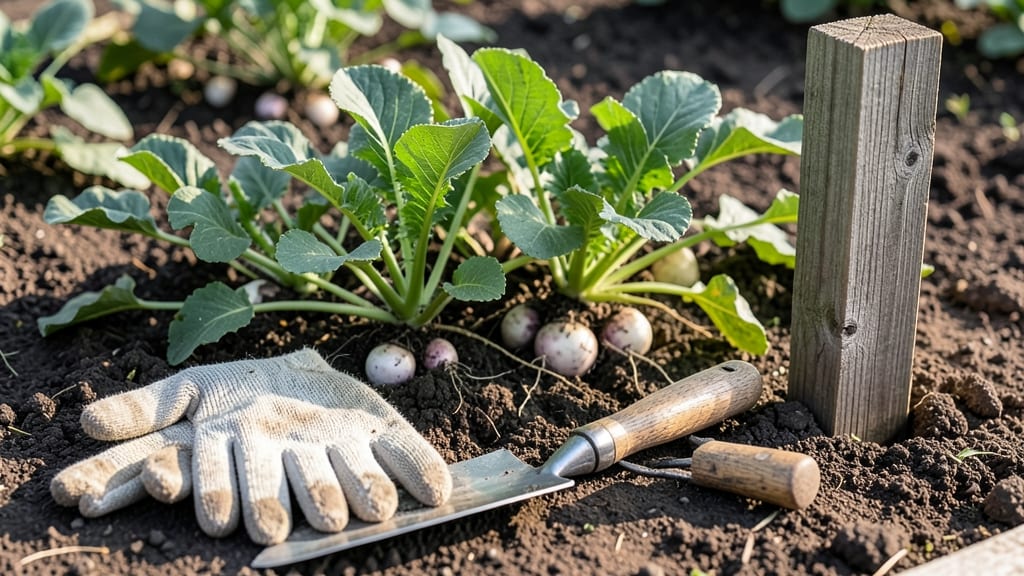
Planting turnips in Michigan at the right time means the difference between a fast, tender harvest and bolted greens gone to seed.
Michigan’s unpredictable frost dates can make or break your turnip harvest—plant too early, and you risk bolting; too late, and you miss the sweet, tender roots. Timing is everything for a bountiful crop, and these frost-date secrets will ensure your 🥬 thrive from seed to table.
In USDA zones 5b-6b, your best window is early spring (March–April) or late summer (July–August). Early plantings need soil temperatures above 40°F to germinate, while late-season crops must beat the first frost by at least 60 days to mature. Missing either window means smaller roots or bitter greens.
Below, I break down the exact frost dates by Michigan region, the fastest turnip varieties for your climate, and how to stretch your harvest with simple tricks like row covers and succession planting.
Michigan turnip planting calendar: frost dates by region
Michigan’s diverse climate means your turnip planting timeline should vary depending on whether you’re in the Upper Peninsula, Northern Lower Peninsula, or Southern Lower Peninsula. Getting the timing right ensures your turnips germinate quickly and avoid bolting from early spring warmth.
Let’s break down the last frost dates and ideal soil temperatures for each region so you can plan your turnip harvest like a pro.
Turnips thrive when soil temperatures reach 40–50°F, making early spring planting ideal. However, Michigan’s frost dates shift dramatically from north to south. In colder regions, you’ll need to start seeds indoors or use row covers to protect young plants.
Meanwhile, southern Michigan gardeners can plant directly into the ground as early as late March. Let’s dive into the specifics for each region to maximize your yield.
🌱
| Region | Last Frost Date | First Planting Window | Ideal Soil Temp (°F) | Succession Planting |
|---|---|---|---|---|
| Upper Peninsula | Mid-May | Late April to early May (indoors) or early June (outdoors) | 45–55°F | July for fall harvest |
| Northern Lower Peninsula | Early to mid-May | Early April (under cover) or late April (outdoors) | 40–50°F | June and August |
| Southern Lower Peninsula | Late April | Late March to early April (outdoors) | 40–45°F | May and July |
For the Upper Peninsula, where frost lingers longer, start your turnip seeds indoors in late April or use a cold frame to jumpstart germination. Outdoor planting should wait until early June to avoid frost damage.
The soil needs to warm to at least 45°F for consistent germination, so monitor temperatures closely.
Gardeners in the Northern Lower Peninsula have a slightly earlier window. You can direct-sow seeds as early as late April if the soil is workable and temperatures are above 40°F.
This region benefits from succession planting in June and August to extend your harvest into fall. Use row covers if planting early to protect seedlings from unexpected frosts.
In the Southern Lower Peninsula, the growing season starts earliest, with late March being ideal for outdoor sowing. Soil temperatures here typically reach 40–45°F by then, making it perfect for turnips.
For a continuous harvest, plant again in May and July. This region’s milder winters also allow for a fall harvest if planted in early August.
Regardless of your region, always aim to harvest turnips before first frost, which typically arrives in mid-October for most of Michigan. Fast-maturing varieties like ‘Purple Top White Globe’ (35–40 days) are ideal for late-season plantings.
For a longer harvest window, consider ‘Tokyo Cross’, which matures in 40–50 days and tolerates cooler temperatures.
Pro tip: Test your soil’s pH level (ideal range: 6.0–7.0) before planting. Turnips prefer slightly acidic to neutral soil, and amending with compost or well-rotted manure improves drainage and fertility. This small step can make a big difference in your turnip yield.
💧
If you’re planting turnips in late summer for a fall harvest, focus on varieties with bolting resistance like ‘Hakurei’ or ‘Shogoin’. These varieties handle cooler temperatures better and produce sweeter roots when grown in fall’s crisp air.
Always water deeply after planting to encourage strong root development, and mulch with straw to retain moisture and regulate soil temperature.
By following these region-specific guidelines, you’ll avoid the common pitfalls of bolting or poor germination and enjoy a steady supply of fresh turnips from early summer through fall. Happy planting!
Turnip varieties for Michigan gardens: fastest vs. hardiest choices
Michigan’s cool climate and short growing season demand turnip varieties that balance speed and resilience. Whether you prioritize fast harvests or hardy roots, the right choice ensures success from March sowings to October harvests.
Some varieties bolt quickly in heat, while others tolerate frost like a champ—here’s how to pick winners for your garden.
For early-season planting (March–April), fast-maturing varieties like ‘Purple Top White Globe’ deliver 30–40 days to harvest, perfect for beating Michigan’s late spring frosts. Meanwhile, ‘Tokyo Cross’ and ‘Hakurei’ prioritize cold tolerance and sweet greens, ideal for fall plantings (July–August) when nights grow chilly.
| Variety | Days to Maturity | Cold Tolerance | Best Use | Planting Window |
|---|---|---|---|---|
| Purple Top White Globe | 30–40 | Moderate | Roots & Greens | March–April, July–August |
| Tokyo Cross | 40–50 | High | Greens (Baby Leaves) | March–May, July–September |
| Hakurei | 35–45 | Very High | Roots & Greens | March–June, July–August |
| Golden Globe | 45–55 | Moderate | Roots (Storage) | April–May, July–August |
| Seven Top | 50–60 | High | Greens (Cut-and-Come-Again) | March–June, July–September |
If you’re succession planting for continuous harvests, ‘Tokyo Cross’ and ‘Hakurei’ are my top picks—their high cold tolerance lets you sow as late as July while still producing tender greens before frost.
For root-focused gardens, ‘Purple Top White Globe’ and ‘Golden Globe’ store better in cool cellars, making them ideal for fall/winter meals.
Pro tip: Direct-sow seeds ½ inch deep, 1–2 inches apart, and thin to 3–4 inches for optimal root growth. In Michigan’s Zone 5–6, mulch with straw or leaves to protect young plants from late spring frosts or early fall chills.
This simple step can extend your harvest window by 2–3 weeks.
For late-season plantings (July–August), prioritize varieties like ‘Seven Top’, which focuses on leaf production over root size—perfect for winter salads or sautéing. Its cut-and-come-again greens regrow after harvest, giving you multiple cuts before frost. Pair it with ‘Hakurei’ for a dual-purpose fall garden.
Remember: Soil temperature matters most. Turnip seeds germinate best in 40–85°F soil, so wait until soil warms to 50°F in spring or use row covers to speed germination in cool July soils.
With the right variety and timing, you’ll turn Michigan’s unpredictable climate into your turnip garden’s advantage. 🥬