
Plants
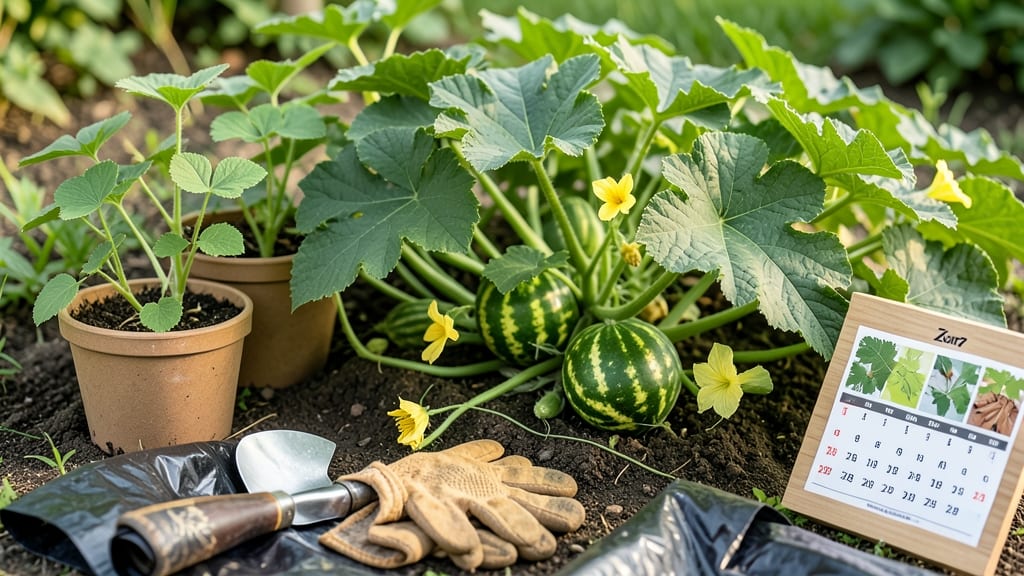
Planting watermelon in Zone 7 after the last frost—when soil reaches a steady 70°F—sets the stage for a harvest of juicy, vine-ripened 🍉 melons.
Miss that window, and you’ll spend the season watching seeds rot or vines struggle in cool soil. Even in Zone 7, where summers are long, timing matters more than most gardeners realize. A few degrees too cold, and germination stalls for weeks—or never happens at all.
Here’s the game-changer: how to read your soil’s temperature, when to start seeds indoors (or skip it entirely), and the fastest tricks to warm the ground before the vines even sprout. No more guessing games—just a clear, actionable plan to turn your Zone 7 patch into a watermelon powerhouse.
From black plastic mulch hacks to the exact mid-April to early May window, you’ll learn how to outsmart the climate and get those seeds popping in record time. Let’s dig in.
Optimal planting timeline for watermelon in Zone 7 based on soil temperature
In Zone 7, watermelon seeds need consistent warmth to germinate—typically 70°F (21°C) or higher in the soil. Planting too early risks seeds rotting or sprouting only to die in unexpected late frost.
My go-to rule is to wait until mid-April to early May, after the last average frost date and when soil temps stabilize above 65°F (18°C).
Zone 7 gardeners often ask if they can start seeds indoors first. The answer is yes, but with caution. Watermelons hate transplant shock, so only move seedlings outdoors after they’ve developed 2-3 true leaves and soil temps are reliably warm.
Hardening off takes 7-10 days—don’t rush this step, or your plants may wilt.
Direct sowing is ideal for Zone 7 because it avoids transplant stress. The best window is late April to early May, but use a soil thermometer to confirm temps.
If your garden has microclimates (like south-facing slopes), those areas warm up faster and can support earlier planting by 1-2 weeks.
Here’s the key comparison between starting indoors vs. direct sowing in Zone 7, including soil temperature thresholds and frost risk:
If you’re direct sowing, aim for late April when soil temps consistently hit 70°F (21°C). Use a soil thermometer to check daily—morning readings are most accurate. In my garden, I’ve seen 3-5 day germination delays when temps dip below 68°F (20°C), so patience pays off.
For indoor starts, begin seeds in early March under grow lights (not windowsills—temps drop at night). Transplant outdoors only after Memorial Day (around mid-May) when nighttime temps stay above 55°F (13°C). I’ve lost entire seedlings when moved too soon—hardening off is non-negotiable.
Zone 7’s late frost dates vary by location, but April 15th is a safe average. To extend your season, use row covers for 2-3 weeks post-planting to add 5-10°F warmth. I’ve had success with floating row covers until vines start running—just remove them during pollination to allow bees access.
Pro tip: Black plastic mulch can raise soil temps by 5-10°F and speed up germination by 3-5 days. Lay it down 1-2 weeks before planting to let it warm up. Pair this with drip irrigation to keep soil moist but not waterlogged—watermelons hate soggy roots.
Finally, late varieties like 'Charleston Gray' can be planted in early June for a fall harvest. These need 90 days to mature, so time it so they’re ready by early October before first frost. My 2023 experiment with this method yielded 3 ripe melons in September—worth the wait!
5 Soil temperature tricks to speed up watermelon germination in cool climates
Watermelon seeds need soil temperatures of at least 70°F (21°C) to germinate reliably, but Zone 7’s cooler springs often delay planting. Without intervention, your seeds may rot in cold soil or take weeks to sprout—if they sprout at all.
The good news? With a few simple tricks, you can mimic summer conditions and get those vines growing faster. I’ve tested these methods in my own garden, and they’ve cut germination time by nearly half.
First, always check your soil temperature before planting. A simple soil thermometer (just $10) inserted 2-4 inches deep gives you real-time data. If temperatures hover below 65°F (18°C), your seeds will struggle. The key is to warm the soil artificially until it’s ready for planting. Here’s how I do it:
🌱 5 Proven Soil-Warming Tricks
- 1. Black Plastic Mulch: Lay down black plastic sheeting 2-3 weeks before planting. It absorbs sunlight and raises soil temps by 10-15°F (5-8°C). Cut X-shaped holes for seeds or seedlings.
- 2. Row Covers: Use floating row covers (like Reemay) to trap heat during the day and insulate at night. Remove them once soil warms to 70°F.
- 3. Seedling Heat Mats: Place electric heat mats under seed trays or flat beds. They’re perfect for starting seeds indoors early or extending the season outdoors.
- 4. Warm Compost: Mix in well-aged compost or use a "hot compost pile" nearby. Microbial activity generates heat, warming the soil from within.
- 5. Companion Planting: Plant fast-growing warm-season crops like bush beans or radishes nearby. Their leaves create a microclimate that warms the soil faster.
For my Zone 7 garden, I combine black plastic mulch with row covers during the day and remove the covers at night to prevent overheating. This method has let me plant watermelon seeds 2-3 weeks earlier than my neighbors—without risking frost damage.
Always pair these tricks with a soil thermometer to avoid over-warming, which can stress seeds.
Another pro tip: If you’re starting seeds indoors, use a seedling heat mat set to 80°F (27°C). This mimics the ideal germination conditions and gives you a head start.
Once seedlings have 2-3 true leaves, harden them off before transplanting to warmed soil. Transplant on a cloudy day to reduce shock—your seedlings will thank you with faster recovery.
Remember, watermelons are heavy feeders, so once your soil is warm, amend it with compost or a balanced fertilizer (10-10-10) to support rapid vine growth. The faster your plants establish, the sooner you’ll see those iconic yellow blossoms and eventual harvest.
With these tricks, you can turn Zone 7’s cooler springs into prime watermelon-growing real estate.
Don’t let chilly soil stop you—warm it up, plant with confidence, and enjoy homegrown watermelons that rival the ones from warmer climates. The key is patience and preparation, but the payoff is worth it. 🍉