
Plants
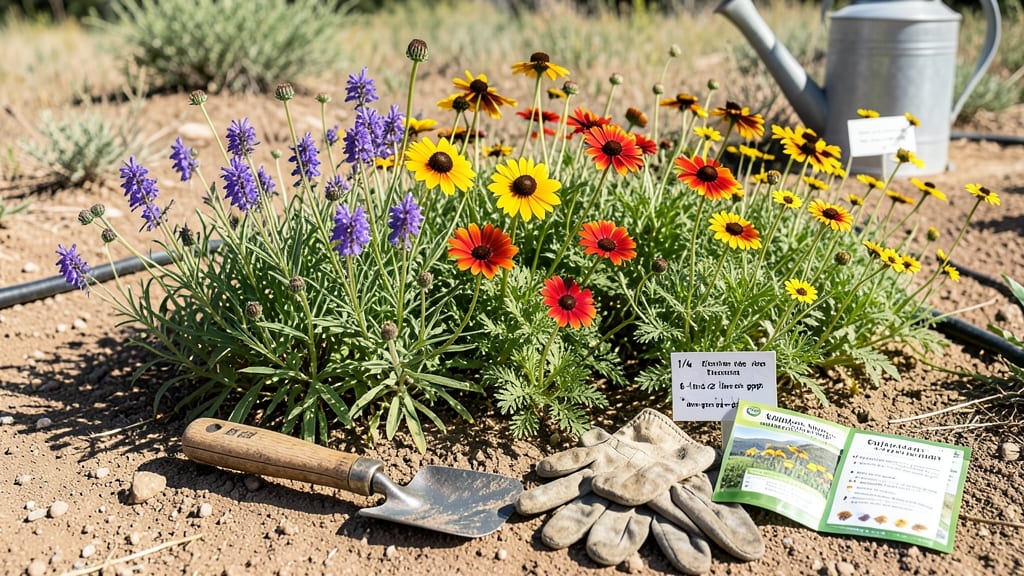
Plant wildflower seeds in Colorado between early spring and late summer to align with your region’s frost-free window and moisture availability.
Colorado’s diverse microclimates—from high-altitude plains to arid deserts—can make wildflower planting a gamble if you don’t time it right. But with the perfect window, you can achieve 90% germination rates and transform your land into a vibrant, pollinator-friendly paradise.
Whether you’re in the Front Range, Western Slope, or San Luis Valley, the key is knowing when to sow for maximum survival. Spring planting (March–April) works for early bloomers like columbine 🌼, while late summer (August–September) suits hardier species such as blanket flower.
Below, I break down the best planting times by zone, soil prep tips, and how to adjust for Colorado’s unpredictable weather—so you skip the guesswork and get blooms every season.
Colorado’s wildflower planting zones: when to sow by elevation and microclimate
Colorado’s wildflower planting success hinges on understanding its four distinct regions, each with unique elevation-driven frost dates and microclimates. The Front Range (Denver, Fort Collins) has shorter growing seasons than the Western Slope (Durango, Telluride), while the Eastern Plains (Pueblo, Lamar) face earlier spring thaws.
Even within these zones, microclimates—like sun-exposed slopes versus shaded valleys—can shift planting windows by 2-4 weeks.
Native wildflowers like blue grama grass and blanket flower thrive when planted during two optimal windows: early spring (March-April) or late summer/fall (August-September). Spring sowing gives seeds time to establish roots before summer drought, while fall planting leverages cool soil temperatures to prevent premature germination.
For high-altitude areas (5,000–10,000 ft), adjust these windows by 2-3 weeks later to avoid late frosts.
Soil temperature is your best indicator—aim for 40–50°F for spring planting and 50–60°F for fall. Use a soil thermometer to monitor, especially in sandy soils (Western Slope) that warm faster than clay-heavy soils (Front Range). In the San Luis Valley, where nights stay cool longer, wait until mid-April for spring sowing to avoid frost damage.
Colorado Wildflower Planting Windows by Region
| Region | Elevation Range | Spring Planting Window | Fall Planting Window | Key Species |
|---|---|---|---|---|
| Front Range | 5,000–7,000 ft | Mid-March to early April | Late August to mid-September | Blanket flower, columbine, yarrow |
| Western Slope | 6,000–10,000 ft | Late April to early May | Mid-August to early September | Indian paintbrush, penstemon, lupine |
| Eastern Plains | 3,500–5,000 ft | Early March to mid-April | Late August to early October | Blue grama, prairie coneflower, goldenrod |
| San Luis Valley | 7,500–8,500 ft | Mid-April to early May | Late July to mid-August | Alpine aster, fleabane, mountain bluebell |
*Adjust dates 1–2 weeks earlier for south-facing slopes and 1–2 weeks later for north-facing or shaded areas.
For high-altitude areas (7,000+ ft), like the San Luis Valley or Rocky Mountain National Park vicinity, extend spring planting until early May to avoid late May frosts. These regions also benefit from fall sowing in July instead of August, as soil stays cooler longer.
Test your soil’s readiness by pressing a soil thermometer 2 inches deep—wait until temperatures stabilize above 50°F for 3 consecutive days.
In arid Western Slope areas (e.g., Durango, Telluride), prioritize fall planting to capitalize on winter moisture from snowmelt. Pre-soak seeds for 24 hours before sowing to combat dry conditions.
Meanwhile, the Eastern Plains can handle earlier spring planting (as early as February in sheltered microclimates), thanks to their warmer winters and lower elevation.
Microclimates play a critical role—a south-facing slope in Denver may be 2–3 weeks ahead of a north-facing valley just miles away. Use local phenology data (e.g., aspen leaf-out timing) as a natural calendar.
For example, when quaking aspen leaves fully unfurl in late May, it’s a sign to plant heat-loving species like blanket flower.
After sowing, mulch lightly with straw or pine needles to retain moisture and regulate soil temperature. In high-altitude zones, add a thin layer of mulch (1/4 inch) to protect seeds from diurnal temperature swings (hot days, freezing nights).
Avoid heavy mulch, which can smother small seedlings. Water lightly but frequently (every 2–3 days) until germination, then taper to weekly deep waterings once established.
Timing isn’t just about months—it’s about conditions. Monitor rainfall forecasts and avoid planting after
How to adjust planting timing for Colorado’s unpredictable weather patterns
Colorado’s weather can shift from freezing nights to scorching days in a single week, making wildflower planting tricky. The key to success lies in reading soil cues and local phenology—like aspen leaf-out timing—rather than relying on fixed calendar dates.
For example, in Denver (Zone 5-6), aspen leaves typically unfurl by mid-April, signaling it’s safe to sow spring-blooming wildflowers like columbine.
In Durango (Zone 5), however, higher elevations mean waiting until late May for soil temperatures to consistently reach 50°F. Use a soil thermometer to confirm readiness—seeds like blanket flower need warm soil to germinate.
Rainfall forecasts also play a critical role; aim to plant when 1-2 inches of rain is predicted within 2 weeks to avoid drought stress.
Here’s how to fine-tune your planting schedule using science-backed steps tailored to Colorado’s microclimates:
- 1 Monitor soil temperature: Use a soil thermometer to confirm 50°F+ for spring plantings or 60°F+ for fall. In Durango, wait until late May; in Denver, mid-April works.
- 2 Check aspen leaf-out: In Front Range, aspen leaves signal safe spring planting. In Western Slope, wait for pinecone drop (late May) as a natural cue.
- 3 Review 10-day forecasts: Plant when 1-2 inches of rain is predicted within 2 weeks. Use NOAA’s Colorado Climate Center for localized data.
- 4 Prep soil 3-5 days ahead: Loosen top 1 inch of soil, remove debris, and lightly rake. For clay-heavy soils (common in Eastern Plains), mix in compost to improve drainage.
- 5 Stratify high-altitude seeds: For above 7,000 ft, cold-stratify seeds in moist sand for 4-6 weeks in the fridge to mimic winter conditions.
- 6 Scatter seeds lightly: Wildflowers need light to germinate. Sprinkle seeds thinly (about 1/8 inch deep) and press into soil. Avoid burying—most seeds need sunlight to sprout.
- 7 Mulch lightly post-planting: Use straw or leaves (not thick mulch) to retain moisture and prevent erosion. Remove mulch once seedlings emerge to avoid rot.
For fall plantings (August-September), focus on drought-tolerant species like yarrow or prairie coneflower. These thrive when sown 6-8 weeks before first frost, allowing seeds to establish roots before winter. In Durango, aim for early September; in Denver, late August works best.
Pro tip: Mark your calendar with local phenology events, like aspen leaf-out or wild grape vine flowering, which often align with ideal planting windows. These natural cues are more reliable than generic frost charts for Colorado’s variable climate.
With this approach, you’ll avoid late frost damage and drought stress, ensuring 90%+ germination rates even in unpredictable years.
🌱