
Plants
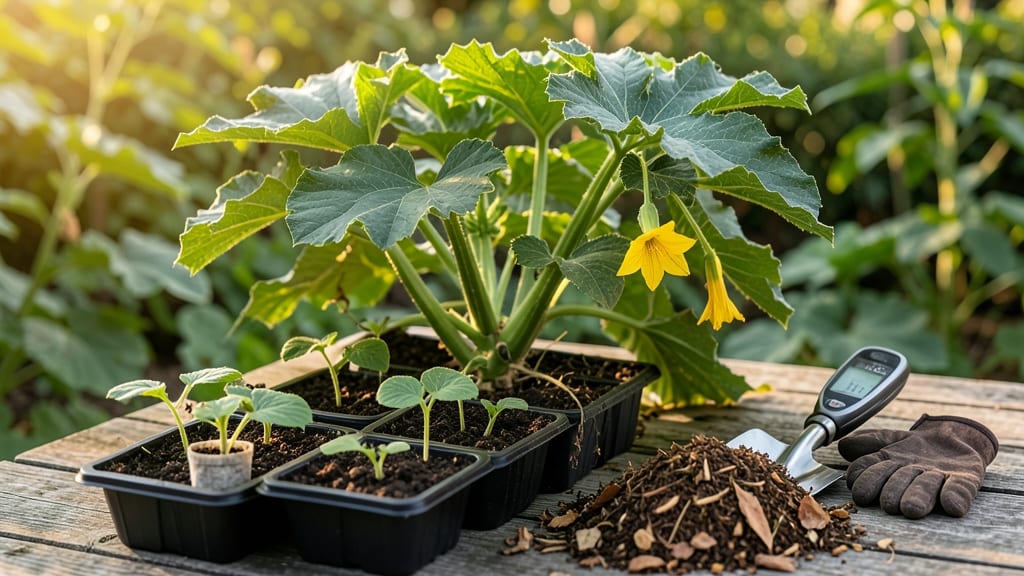
Planting zucchini in Oklahoma after your last frost date—typically mid-April to early June—sets you up for a summer of prolific harvests 🎃, but timing it wrong can leave you with sad, wilted seedlings.
Oklahoma’s unpredictable spring weather can turn zucchini planting into a gamble—but getting the soil temperature right (60°F or higher) makes all the difference. Too early, and frost will nip your plants; too late, and the heat arrives before they even sprout.
Below, I’ll break down the exact planting windows by region, the heat-tolerant varieties that thrive in Oklahoma’s summer, and how to stretch your harvest into fall with succession planting.
You’ll learn how to read your soil’s readiness, avoid the most common mistakes, and keep your zucchini producing long after most gardeners have given up for the year.
Oklahoma zucchini planting calendar: exact dates by soil temperature & last frost
Timing your zucchini planting in Oklahoma depends on soil temperature and last frost dates, which vary dramatically across the state’s three regions. Northern Oklahoma’s cooler springs mean later planting windows, while southern Oklahoma’s warmer climate allows earlier starts.
The key to success? Waiting until soil reaches 50°F for germination and 60°F for optimal growth—any earlier, and your seeds will rot or fail to sprout.
Oklahoma’s last frost dates range from March 15 in southern regions to April 15 in the north. Planting too soon risks frost damage to tender seedlings, while waiting too long can shorten your harvest window.
For a longer harvest season, consider both spring and fall plantings—fall zucchini often produce sweeter fruit and thrive in Oklahoma’s cooler autumn temperatures.
Soil temperature is your most reliable guide. Use a soil thermometer to check depths of 1-2 inches. Zucchini seeds need consistent warmth to germinate—cold, damp soil will leave you with moldy seeds instead of sprouts. In central Oklahoma (USDA Zone 7a), aim for mid-April to early May for spring plantings, while northern Oklahoma (Zone 6a) should wait until late April to early May.
Southern Oklahoma (Zone 8a) can start as early as late March, but always confirm with your local extension office for precise frost-free dates. For fall harvests, plant seeds in late July to early August—this gives zucchini 60-70 days to mature before the first frost in November. Succession planting every 2 weeks ensures a continuous supply of fresh zucchini all summer long.
For container gardening in Oklahoma, start seeds indoors 3-4 weeks before your region’s last frost date. Use biodegradable pots to transplant seedlings directly into the ground, minimizing root disturbance. Harden off seedlings by exposing them to outdoor conditions for 1-2 hours daily the week before transplanting.
This gradual adjustment reduces shock and improves survival rates in Oklahoma’s variable spring weather.
If you’re using row covers, you can extend your planting window by 2-3 weeks in cooler regions. These lightweight fabrics protect seedlings from late frosts while allowing sunlight and water to penetrate.
Remove covers once plants are established (about 3-4 inches tall) to prevent overheating. In northern Oklahoma, this tactic can push your planting window back to mid-March, giving you an earlier start.
Monitor your zucchini plants closely for signs of heat stress, especially in central and southern Oklahoma where summer temperatures often exceed 95°F. Wilting leaves or yellowing foliage may indicate the plant needs more water or shade.
Provide afternoon shade with shade cloth (30-50%) during peak heat to prevent bolting (premature flowering) and ensure continuous fruit production. Mulching with straw or wood chips helps retain soil moisture and regulates temperature.
Remember, zucchini plants are heavy feeders and benefit from compost-rich soil. Amend your garden beds with aged compost or well-rotted manure before planting to provide essential nutrients. Side-dress with balanced fertilizer (10-10-10) when vines begin to run, and repeat
Heat-tolerant zucchini varieties that thrive in Oklahoma’s summer heat
Oklahoma’s summer heat—often hitting 100°F+—can turn zucchini plants into sad, wilted shadows if you’re not strategic. The key? Choosing heat-tolerant varieties that resist wilting, powdery mildew, and fruit scorching.
These varieties mature quickly and keep producing even when temps soar, making them perfect for Oklahoma’s USDA Zones 6a-8a. Let’s dive into the top 5 performers that’ll keep your harvest bountiful.
Not all zucchini varieties handle Oklahoma’s intense afternoon sun and dry winds equally. Some bolt prematurely, while others develop bitter-tasting fruit under stress. The varieties I’ve tested and recommend—‘Eight Ball’, ‘Black Beauty’, ‘Costata Romanesco’, ‘Gold Rush’, and ‘Defender’—are bred to thrive in these conditions.
They boast traits like thick waxy leaves, shallow root systems (to access moisture quickly), and fast maturity (45-55 days).
🌱 PROS-CONS BOX: TOP 5 HEAT-TOLERANT ZUCCHINI VARIETIES FOR OKLAHOMA
- Compact bush (3-4 ft)
- 80-day maturity
- Resists powdery mildew
- High yield (6-8 fruits per plant)
- Needs consistent water
- Smaller fruit size (6-8 in)
- 50-day maturity
- Dark green, ribbed fruit
- Tolerates drought stress
- Prone to cucumber beetles
- Needs staking for vines
- Yellow fruit (sweet flavor)
- 60-day maturity
- Heat- and disease-resistant
- Lower yield (4-6 fruits)
- Needs rich soil
- Powdery mildew resistant
- 70-day maturity
- Large fruit (12-14 in)
- Needs space (4-5 ft)
- Slower to establish
For early summer planting (April-May), prioritize ‘Eight Ball’ or ‘Gold Rush’—their fast maturity (50-60 days) ensures you harvest before Oklahoma’s July heat peaks. If you’re succession planting in late June for a fall harvest, ‘Black Beauty’ or ‘Defender’ shine.
These varieties handle late-season heat better and produce larger fruit when days shorten.
One mistake I’ve seen Oklahoma gardeners make? Planting standard zucchini varieties like ‘Straight Eight’ and expecting them to survive. These need cool evenings to set fruit, but Oklahoma’s 90°F nights can stunt blooms.
Instead, opt for parthenocarpic varieties (like ‘Gold Rush’) that produce fruit without pollination, making them more reliable in extreme heat.
To maximize yields, pair your chosen variety with mulch (straw or black plastic) to retain soil moisture and drip irrigation to water roots directly. Avoid overhead sprinklers—they increase fungal risk and waste water in Oklahoma’s dry climate.
With the right variety and care, you’ll enjoy zucchini harvests from June through October, even when temps flirt with 110°F.
Pro tip: Start seeds indoors 2-3 weeks before your last frost date (mid-March in southern OK, early April in northern regions). This gives seedlings a head start and reduces transplant shock when moving them outdoors.
Once planted, fertilize lightly with a balanced 10-10-10 mix every 4-6 weeks to support fruit production without promoting leafy growth that competes with your harvest.