
Plants
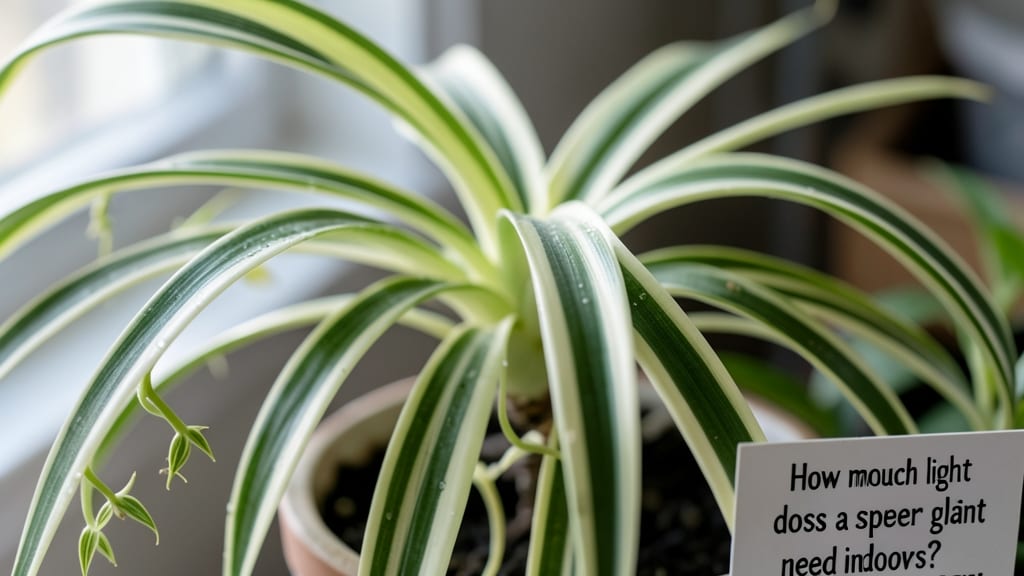
A spider plant 🕷️ needs bright indirect light indoors for the most vibrant growth, but many homeowners overlook how subtle shifts in placement can make or break its health.
Struggling to keep your spider plant alive despite your best efforts? The secret might be hiding in plain sight—light exposure. This hardy houseplant thrives in conditions many overlook, making it perfect for busy homes and offices.
Too little light, and your plant stretches toward the window with weak, pale leaves. Too much direct sun, and those pretty stripes turn crispy at the edges. The good news? With a few simple adjustments, you can give your spider plant the perfect indoor lighting setup.
Below, I’ll break down the ideal light conditions—from low to bright—and share practical tips to troubleshoot common issues like yellowing leaves or slow growth, so your plant stays lush and happy year-round.
 Best Window Placement
Spider plant light requirements: ideal conditions for healthy growth
If you're wondering how much light does a spider plant need indoors, the answer is simpler than you think. Spider plants (Chlorophytum comosum) are famously adaptable, but they do have a preferred light range that keeps them thriving.
Unlike finicky houseplants, they handle low to bright indirect light beautifully, making them perfect for almost any home. The key is finding that sweet spot where their striped foliage stays vibrant and growth remains steady.
Most spider plants perform best with bright indirect light, which mimics their natural understory habitat. Think of it as dappled sunlight filtering through trees—just enough light to fuel growth without scorching delicate leaves.
This means placing your plant near an east or north-facing window is ideal, as these spots provide gentle morning light or all-day filtered sunshine. South-facing windows can work too, but you’ll need to filter the light with a sheer curtain to prevent leaf burn.
⚠️ CRITICAL INSIGHT: While spider plants tolerate low-light conditions, they won’t thrive there. In dim corners, growth slows, leaves lose their bold striped pattern, and the plant may become leggy. On the flip side, direct afternoon sun can cause brown patches or crispy edges, so avoid placing them in harsh, unfiltered light. The goal is to balance their light tolerance with their natural preferences for gentle illumination.
To determine the perfect spot for your spider plant, observe its current location for a week. If the leaves are dark green and upright with visible stripes, you’ve nailed the bright indirect light sweet spot.
If they’re stretching toward the light or developing pale, weak growth, it’s a sign you need to move it closer to a lighter window.
Conversely, if you notice yellow or brown patches on the tips, the plant is getting too much direct sunlight and needs to be relocated to a shadier area.
Pro tip: Rotate your spider plant quarter-turns every 2–4 weeks to ensure even light exposure. This prevents one side from becoming lopsided or leggy as it reaches for the light. Since spider plants grow toward their light source, consistent rotation keeps their foliage symmetrical and full.
Pair this with a well-draining potting mix and occasional misting, and you’ll have a thriving plant that’s the envy of every plant lover.
For those in apartments with limited natural light, supplement with a LED grow light placed 6–12 inches above the plant for 6–8 hours daily. Look for lights with a cool white spectrum (5000K–6500K), which mimics natural daylight.
Even a simple 10-watt bulb can make a difference in maintaining your spider plant’s health during darker months. Just avoid placing the light too close—3–6 inches away is ideal to prevent leaf scorch.
Remember, spider plants are forgiving, but they do communicate their needs through their leaves. Pay attention to subtle changes in color, texture, or growth patterns—they’re your plant’s way of saying, "I need a little more (or less) light!".
With the right conditions, your spider plant will reward you with lush growth, arching foliage, and those adorable "spiderettes" (baby plants) that make propagation a breeze.
🕷️
Signs your spider plant isn’t getting enough (or too much) light
Your spider plant 🕷️ might be silently begging for help if its leaves start telling a story. One minute you’re watering perfectly, the next—brown tips or pale, leggy growth appear out of nowhere. These visual cues often point to light issues, which are easier to fix than you think.
Spider plants are forgiving, but they do have limits. Too little light leads to stretched, weak stems and dull foliage, while too much direct sun causes crispy leaf edges and sunburned patches. The key is finding that sweet spot where your plant thrives without stress.
⚠️ How Much Light Does a Spider Plant Need Indoors?
Ideal: Bright indirect light (4-6 hours daily). Think east or north-facing windows with filtered sunlight. Avoid harsh south or west windows without a sheer curtain.
Minimum: Low to medium indirect light (e.g., 2-3 feet from a window). Growth slows but won’t die—just stay vigilant about pests.
Maximum: Direct sunlight for more than 2 hours causes leaf scorch. Move your plant further back or add a sheer curtain.
Start by checking your spider plant’s leaf color. Healthy leaves have bold green stripes with vibrant variegation. If they’re turning completely green, it’s a cry for more light. Conversely, yellowing tips or brown crispy edges mean you’ve overdone it.
Seasonal changes also play a role. In winter, when daylight shrinks, your plant may need a grow light or relocation closer to a window. Conversely, summer’s intense rays can sneak up on you—watch for white or brown spots on leaves and adjust placement immediately.
Don’t ignore growth patterns either. If your plant’s leaves are small and tightly packed, it’s likely starved for light. Rotate the pot quarter-turns weekly to ensure even growth, and consider reflective surfaces like mirrors to bounce light deeper into the room.
With these adjustments, your spider plant will bounce back in weeks—just give it the right light, and it’ll reward you with lush, striped foliage and those adorable baby spiderettes dangling from the ends. 🌱