
How To
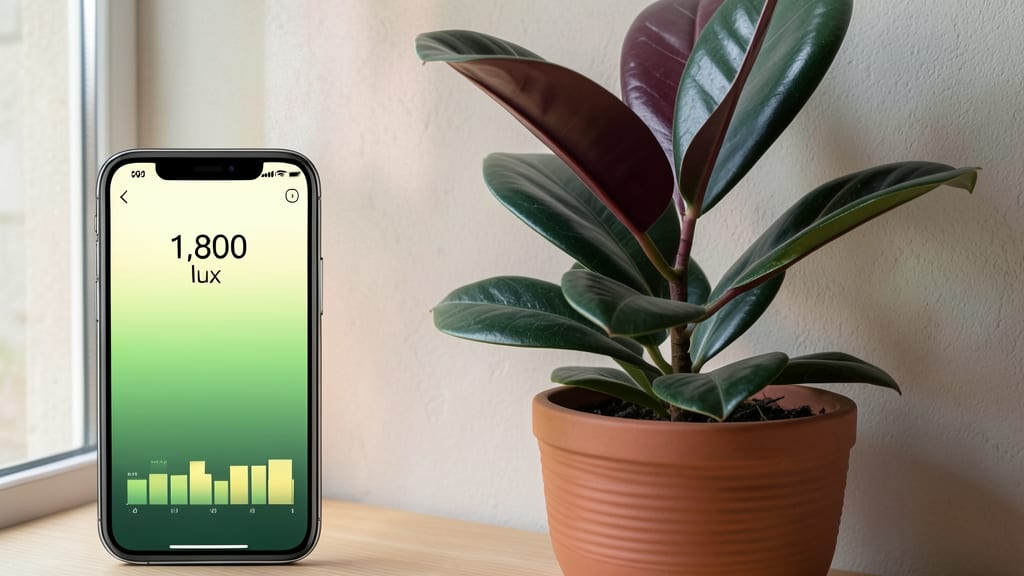
A rubber plant thrives with bright, indirect light 🌿 — the key to those bold, glossy leaves you love.
Struggling to keep your rubber plant’s leaves vibrant and glossy? Light exposure is the secret weapon—too little and they’ll stretch weakly, too much and they’ll scorch. Here’s exactly how to balance it for a thriving rubber plant that steals the show in your space.
Most homes have that perfect spot near an east or west window where filtered sunlight bathes the leaves without burning them. But what if your space only offers dim corners or harsh afternoon glare?
I’ll show you how to spot the signs of light stress and adjust placement without sacrificing growth.
You’ll learn the exact light hours your rubber plant needs, how to tell if it’s getting too much or too little, and even creative fixes for low-light areas. By the end, your rubber plant will be the star of your indoor jungle—no guesswork required.
 Best Window Placement
Optimal light requirements for rubber plant growth: bright indirect sun explained
Your rubber plant (Ficus elastica) thrives in bright indirect light, making it perfect for homes with limited direct sunlight. Unlike sun-loving succulents, rubber plants despise harsh rays that can bleach their leaves. The key is mimicking their natural understory habitat—think dappled sunlight filtering through trees.
Most rubber plants tolerate low to medium light, but their growth and leaf vibrancy peak with 4-6 hours of filtered sunlight daily. This means positioning them near east or west-facing windows where morning or late afternoon sun gently illuminates their glossy foliage without scorching.
🌿 Pro Tip: Rotate your plant quarter-turns every 2 weeks to ensure even light exposure. Uneven growth (longer stems on one side) is a classic sign of light bias!
Notice how medium light (30-50%) delivers the sweet spot for your rubber plant’s health? This is where you’ll see those glossy, deep-green leaves at their most vibrant. My own variegated rubber plant thrives in this range—its cream-and-green foliage pops beautifully without fading.
Seasonal shifts matter too. In winter, when sunlight is weaker, move your plant closer to the window (but never in direct sun). Conversely, during summer’s intense rays, use a light sheer curtain to diffuse harsh afternoon light that can cause leaf burn.
🪴 Watch for these red flags: Yellow leaves? Too much sun. Pale, stretched stems? Not enough light. Brown patches? Overwatering + sun combo. Adjust placement immediately to prevent permanent damage.
For low-light spaces, supplement with a grow light 12-14 inches away for 10-12 hours daily. LED grow lights with a 6500K color temperature mimic natural daylight perfectly. I’ve used these to revive rubber plants in dim basements—results in just 4 weeks!
Remember: Rubber plants are survivors. Even if you’ve overdone the light before, trim damaged leaves and adjust gradually. Their resilience will reward you with lush, low-maintenance greenery that purifies your air while adding drama to any room.
How to adjust light conditions for different rubber plant stages
Your rubber plant isn’t a one-size-fits-all when it comes to light—its needs shift dramatically from seedling to mature plant. A tiny cutting thrives in bright but filtered light, while a towering 8-foot specimen might need more intensity to support its thick leaves.
Understanding these stages helps you avoid leggy growth or sunburned patches while keeping your plant happy year-round.
Young rubber plants, especially those propagated from stem cuttings, are delicate. They require gentle light exposure—think dappled sunlight or a north-facing window—to prevent stress. As they mature, their light tolerance increases, but sudden changes can shock them.
The key is gradual adjustments, whether you’re moving them closer to a window or introducing grow lights for winter.
🌱 Numbered Highlights: Adjusting Light for Rubber Plant Stages
- Seedlings (0-6 months): Place 1-2 feet from east/west windows for 2-4 hours/day of indirect light. Use sheer curtains to diffuse harsh rays.
- Juvenile (6-24 months): Increase to 4-6 hours/day of bright indirect light. Rotate pot quarter-turn weekly to prevent lopsided growth.
- Mature (2+ years): Can handle 6-8 hours/day near windows or under LED grow lights. Watch for brown leaf tips—a sign of too much direct sun.
- Winter adjustments: Supplement with 12-14 hours of cool-white grow lights if natural light drops below 4 hours/day.
- Outdoor transition: Acclimate mature plants over 2-3 weeks by moving them outside for 1-2 hours/day, gradually increasing exposure.
For low-light spaces, creative solutions like reflective surfaces (mirrors or white walls) can amplify natural light by up to 30%. Pair this with a south-facing window or full-spectrum LED grow lights (10,000-12,000 Kelvin) to mimic ideal conditions.
Even a rotating schedule—moving the plant closer to the window in winter—can make a difference.
Watch for visual cues like yellowing leaves (too little light) or white speckles (sunburn). If your rubber plant starts stretching toward the light, it’s begging for more intensity. Conversely, crispy edges mean it’s getting too much direct sun. These signs help you fine-tune placement without guesswork.
Pro tip: Use a light meter (or your phone’s lux app) to measure light levels. Aim for 1,000-2,500 lux for seedlings and 3,000-5,000 lux for mature plants. This data-driven approach takes the guesswork out of adjustments, ensuring your rubber plant thrives at every stage.
Remember, patience is key. Rubber plants adapt slowly to light changes, so give them 4-6 weeks to adjust after any move. With the right balance, your plant will reward you with glossy, deep-green leaves that shine year-round. 🌿