
How To
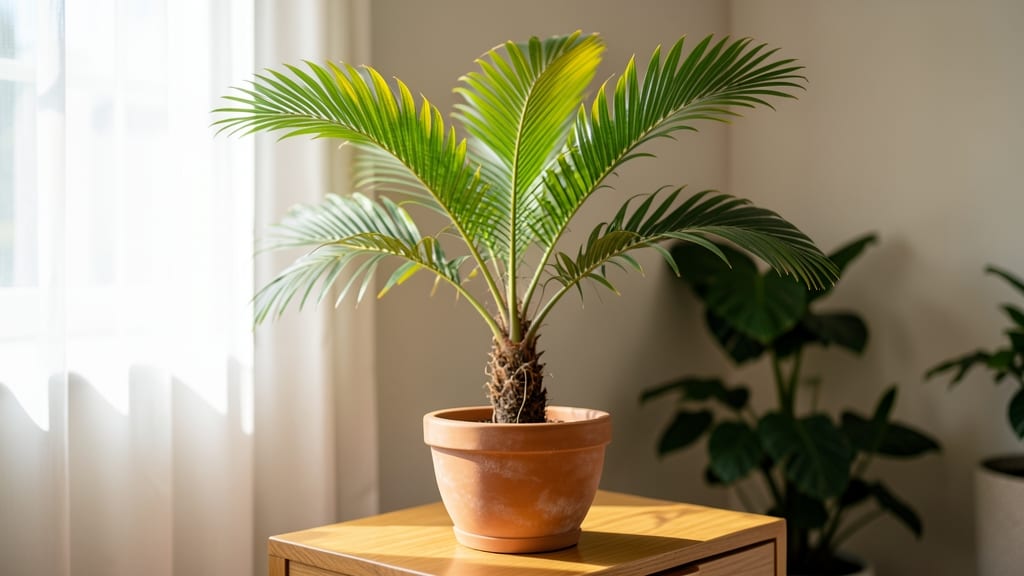
How tall do areca palms grow to heights of 10 to 20 feet in ideal conditions, making them a stunning tropical statement—but their size can also feel overwhelming for smaller spaces.
If you love the lush, tropical vibe of areca palms but worry they’ll outgrow your home faster than your houseplants, you’re not alone. Many gardeners face this dilemma, especially when choosing between varieties that thrive indoors or outdoors.
Here’s the good news: these palms come in sizes that fit everything from cozy apartments to sprawling estates, and knowing their mature heights can save you from costly mistakes.
Below, I’ll break down how tall areca palms grow under different conditions, which compact varieties work best for small homes, and how to manage their size with simple care tips.


Areca palm height guide: mature sizes by variety and growing conditions
Understanding areca palm height is key to choosing the right variety for your space. The most common species, Dypsis lutescens (also called the butterfly palm), typically reaches 10–20 feet tall outdoors but grows slower indoors.
Meanwhile, dwarf varieties like Dypsis decaryi stay compact at just 3–6 feet, making them perfect for apartments. Your palm’s final height depends on variety, sunlight, and care—let’s break it down.
Outdoor areca palms grow 30–50% faster than their indoor counterparts due to more sunlight and space.
In ideal conditions, a standard Dypsis lutescens can hit 15 feet in 5–7 years, while indoor palms may take 10+ years to reach half that height. Pot size also plays a role—smaller containers restrict root growth, keeping your palm shorter but requiring more frequent repotting every 2–3 years.
Here’s how growing conditions directly impact height:
Light exposure is the biggest factor in controlling height. Areca palms thrive in bright indirect light, which slows vertical growth while encouraging bushier fronds.
Place yours near an east- or west-facing window for optimal results. Direct sunlight can scorch leaves, while low light leads to leggy, stretched growth—both of which accelerate height gain.
Pruning isn’t just for aesthetics—it redirects energy to frond production instead of height. Trim yellow or brown fronds at the base, and avoid cutting the top growth, which won’t stop height but can stress the plant.
For indoor palms, pruning every 6–12 months keeps them fuller and shorter. Outdoors, prune annually to maintain shape and health.
Pot size matters more than you think. A smaller pot (e.g., 10–12 inches) restricts root spread, slowing height growth but requiring frequent watering. Upgrade to a 14–16 inch pot every 2–3 years to accommodate growth.
If you’re growing outdoors, plant in the ground for the fastest (but tallest) results—expect 20+ feet in ideal climates like USDA Zones 10–12.
Myth-busting time: Areca palms don’t grow faster just because you water them more. Overwatering causes root rot, which stunts growth entirely.
Stick to deep watering every 1–2 weeks (less in winter) and let the top 1–2 inches of soil dry between waterings. Humidity is another game-changer—low humidity leads to brown leaf tips and slower growth, while a humidifier or pebble tray keeps them lush and compact.
For indoor growers, growth rates slow dramatically due to limited space and light. A 6-foot-tall Dypsis lutescens indoors might take 10+ years to reach, while outdoors it could hit that height in 5 years.
If you’re worried about height, choose a dwarf variety like Dypsis decaryi and pair it with regular pruning to maintain a 3–4 foot max height.
Pro tip: Rotate your palm quarter-turns every 2 weeks to ensure even growth. This prevents leaning toward light, which can make your palm grow
5 Space-saving areca palm varieties for small homes and apartments
If you’re dreaming of bringing the tropical charm of an areca palm into your small space, you’ll love these compact varieties that stay under 6 feet tall. Unlike their towering cousins, these slow-growing types thrive in apartments, offices, and even bright corners of cozy homes.
The key? Choosing the right variety and giving it the care it needs to stay petite.
Most areca palms reach heights of 10–20 feet outdoors, but these five varieties are bred or naturally stay small, making them perfect for indoor living. Whether you’re a beginner or a seasoned plant parent, these palms add lush greenery without the space commitment.
Let’s dive into the best options for your home.
- Dypsis decaryi ‘Song of India’ – 3–5 feet tall with feathery fronds; grows 1–2 feet per year.
- Dypsis lutescens ‘Miniature’ – 4–6 feet tall; slow-growing and ideal for low-light spaces.
- Dypsis lutescens ‘Golden’ – 5–6 feet tall with variegated fronds; needs bright indirect light.
- Dypsis decaryi ‘Grassova’ – 3–4 feet tall; compact and perfect for small pots.
- Dypsis lutescens ‘Tricolor’ – 4–5 feet tall; striking striped fronds but slower growth.
Each of these varieties offers a unique look while keeping your space manageable. For example, the ‘Song of India’ is a top pick for beginners because it grows slowly and tolerates moderate light.
Meanwhile, the ‘Tricolor’ adds a pop of color but requires a bit more attention to maintain its vibrant stripes. To keep them compact, repot every 2–3 years and prune dead fronds promptly.
One common mistake is assuming all areca palms grow at the same rate. In reality, their height depends on light exposure, pot size, and fertilization. For instance, a palm in a 12-inch pot will stay smaller than one in a 20-inch pot.
Place your palm near an east-facing window for optimal growth without sacrificing its compact size.
To maintain their petite stature, avoid over-fertilizing—stick to a balanced fertilizer every 4–6 weeks during spring and summer. Overfeeding can lead to rapid, leggy growth, which defeats the purpose of choosing a dwarf variety. Instead, focus on consistent moisture and humidity levels to encourage healthy, controlled growth.
With the right variety and care, you can enjoy the tropical beauty of an areca palm without the worry of it outgrowing your space. These five options prove that you don’t need a jungle-sized home to bring a little paradise indoors—just a little patience and the right plant! 🌿