
How To
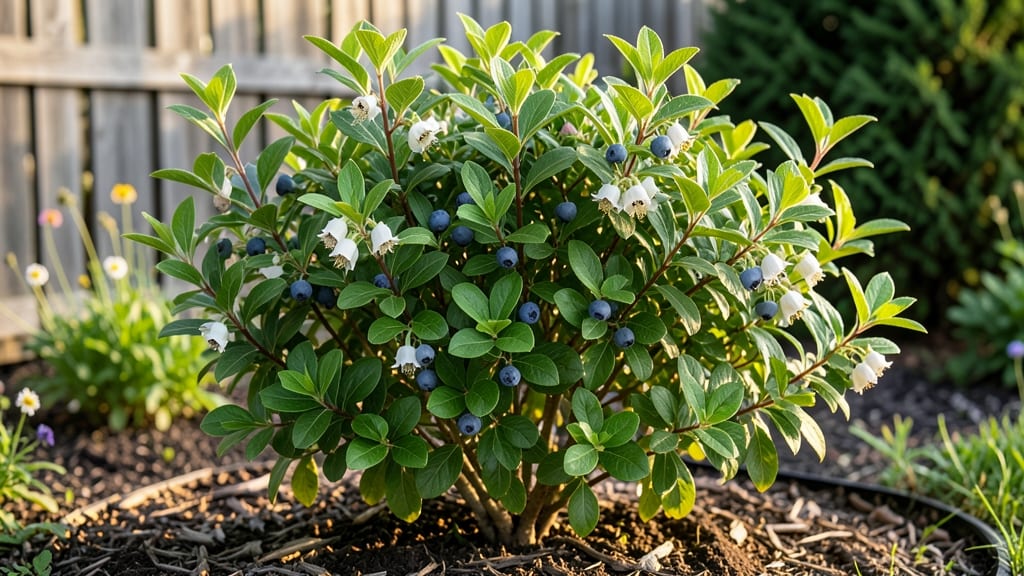
How tall do blueberry bushes grow? They typically reach heights between 3 and 12 feet, depending on the variety, but most home gardeners work with plants that top out between 5 and 7 feet—that’s taller than a kitchen counter but still manageable for pruning and harvesting.
If you're dreaming of a lush blueberry bush in your garden but wondering how much vertical space to allocate, the answer depends on the variety—and proper care can make a surprising difference in height.
Dwarf varieties like 'Top Hat' stay under 3 feet, making them perfect for containers or small spaces, while standard types like 'Duke' can reach 10 feet if left unchecked. The right spacing and pruning can keep even the tallest bushes in check while maximizing berry production.
Below, I’ll break down the height ranges by variety, how to control growth through pruning, and which types are best for your garden size—so you can plan for a thriving 🫐 harvest without losing your yard to unruly branches.


Blueberry bush height by variety: dwarf to giant sizes explained
When planning your blueberry patch, knowing blueberry bush height by variety is essential for proper spacing and maintenance. Some varieties stay compact enough for containers, while others grow tall enough to create privacy hedges.
The mature height of your bushes depends on their type—whether they're Northern Highbush, Southern Highbush, Rabbiteye, or specialized dwarf varieties.
Understanding these differences helps you choose the right variety for your garden's size and layout. For example, a dwarf blueberry bush might fit perfectly in a small backyard, while a standard variety could dominate a rural landscape.
Let's explore how each type grows vertically and what that means for your gardening plans.
| Variety | Mature Height | Growth Habit | Best For |
|---|---|---|---|
| Dwarf Varieties (e.g., 'Top Hat', 'Peach Sorbet') | 3-5 ft | Compact, upright | Containers, small gardens |
| Half-High (e.g., 'Chester', 'Bluecrop') | 5-7 ft | Medium, bushy | Home gardens, hedges |
| Northern Highbush (e.g., 'Blueberry', 'Jersey') | 6-10 ft | Tall, upright | Larger gardens, orchards |
| Southern Highbush (e.g., 'Climax', 'Misty') | 8-12 ft | Tall, spreading | Warm climates, hedges |
| Rabbiteye (e.g., 'Duke', 'Premier') | 10-15 ft | Very tall, spreading | Rural areas, large landscapes |
The dwarf blueberry varieties like 'Top Hat' and 'Peach Sorbet' are perfect for urban gardeners or those with limited space. These bushes typically reach 3-5 feet at maturity, making them ideal for containers or small backyard plots.
Their compact size also means they require less pruning and maintenance compared to taller varieties.
If you're working with a medium-sized garden, consider half-high varieties such as 'Chester' or 'Bluecrop'. These grow to 5-7 feet and strike a balance between manageability and productivity. They're excellent for creating natural hedges or adding structure to mixed shrub borders while still being accessible for harvesting.
For larger properties or rural settings, Northern Highbush varieties like 'Blueberry' or 'Jersey' can reach 6-10 feet tall. These are the most common types for commercial orchards but also thrive in spacious home gardens.
Their upright growth habit makes them easier to manage than spreading varieties, though they do require more space between plants.
In warmer climates, Southern Highbush varieties such as 'Climax' or 'Misty' grow even taller, often reaching 8-12 feet. These varieties have a more spreading growth habit, which can create beautiful, dense hedges but requires careful planning to prevent overcrowding.
They're excellent for creating privacy screens or windbreaks in larger landscapes.
The tallest blueberry bushes come from the Rabbiteye varieties, like 'Duke' and 'Premier', which can soar to 10-15 feet at maturity. These are best suited for rural properties or areas where you want to create dramatic natural features.
Their spreading canopies provide excellent shade and wildlife habitat but require significant space between plants.
When planning your blueberry garden, remember that proper spacing is crucial for healthy growth. Dwarf varieties need about 3-4 feet between plants, while standard varieties may require 6-10 feet of space. Always check the specific spacing recommendations for each variety you choose to ensure optimal air circulation and sunlight penetration.
Your choice of variety will also influence your pruning strategy and overall maintenance routine. Taller varieties may require more aggressive pruning to maintain shape and encourage fruit production, while dwarf varieties benefit from lighter pruning to prevent overcrowding.
Understanding these growth patterns helps you create a blueberry garden that's both productive and beautiful.
Whether you're growing blueberries for fresh fruit, jams, or landscaping, selecting the right variety based on mature height ensures your garden thrives. With the right spacing and care, you can enjoy bountiful harvests while creating a stunning visual impact in your outdoor space.
How pruning and care affect blueberry bush height control
Pruning is the secret weapon for controlling blueberry bush height, especially if you’re working with standard varieties that can easily reach 10+ feet. Without proper pruning, your bush may grow wild and unruly, blocking sunlight from the center and reducing fruit production.
The key is strategic cutting at the right time to shape growth while encouraging a productive, compact structure.
I’ve learned that timing matters most—pruning too early or too late can stress the plant or even delay fruiting. For most blueberry varieties, the best time to prune is late winter or early spring, just before new growth begins.
This ensures you’re removing last year’s wood while leaving next year’s fruit-bearing canes intact. For dwarf varieties, you can prune lightly in summer to control height without sacrificing yield.
Here’s the golden rule: Always remove dead, diseased, or crossing branches first. These compete for nutrients and can stunt growth. Then, focus on thinning out older canes—those over 5 years old—to make room for younger, more productive ones.
This keeps your bush open and airy, reducing pests and improving berry quality.
🌱 Pro Tip for Height Control
Dwarf varieties (3–5 ft) thrive with light summer pruning to pinch back new growth by 1/3. For standard types (6–12 ft), annual winter pruning keeps height in check while boosting fruit production.
Training your blueberry bush is another game-changer for height management. If you’re growing in a container or small space, use a staking system to guide the bush upward or outward, depending on your layout.
For example, ‘Top Hat’ blueberries can be trained as a hedge with regular trimming to maintain a 3-foot height. Meanwhile, sprawling varieties like ‘Duke’ benefit from horizontal training to spread growth wider rather than taller.
Don’t forget about seasonal care, which plays a huge role in height control. Mulching with pine needles or wood chips (to maintain acidity) suppresses weeds and retains moisture, reducing stress on the plant.
In summer, water deeply but avoid wetting the leaves to prevent fungal diseases that can weaken growth. A well-fed blueberry bush with balanced nutrients grows stronger and more responsive to pruning.
With the right pruning schedule and care routine, you can keep even the tallest blueberry bushes under control while enjoying a bountiful harvest. Start with one bush as a test, experiment with techniques, and adjust based on how it responds.
Over time, you’ll find the perfect balance between height management and berry productivity—without sacrificing either! 🪴