
Plants
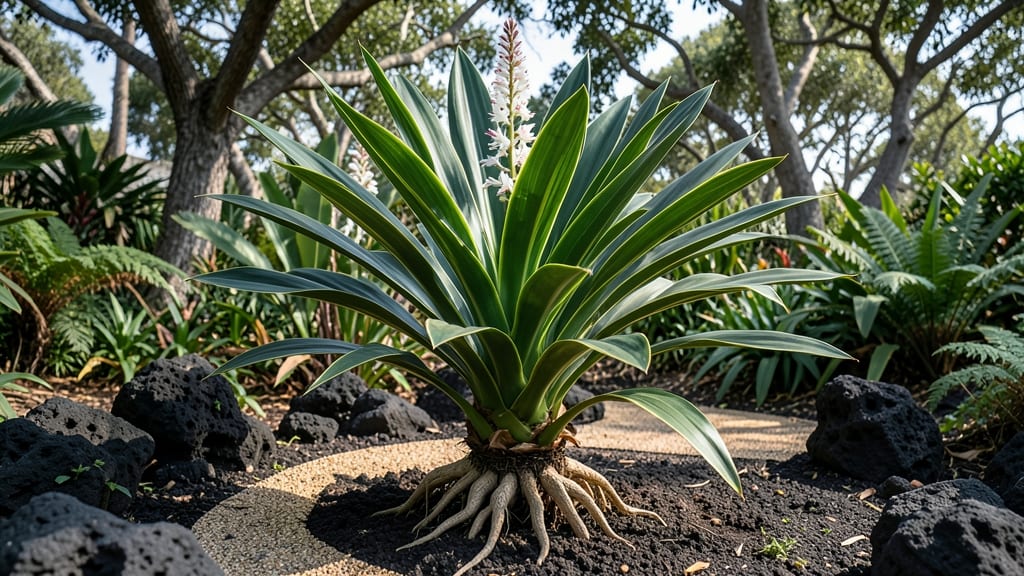
If you’ve ever wondered whether these 🌺 beauties will dominate your garden or blend seamlessly into the scenery, the answer depends on their variety, soil, and sunlight.
Some cultivars, like 'Little Gem,' stay closer to 3 feet, while others stretch toward 10 feet in ideal conditions—think Hawaii’s warm, humid climate.
Beyond aesthetics, height matters for drainage and airflow. A well-placed Hawaiian Ti can improve water flow in sloped gardens, while overcrowding may stunt growth or invite pests. The key? Proper spacing and occasional pruning to keep them lush without letting them sprawl.
In this guide, I’ll break down height ranges by variety, share pruning tips to control size, and compare them to other tropical plants. Whether you’re designing a small patio or a sprawling landscape, you’ll know exactly what to expect—and how to keep your Hawaiian Ti thriving.


Hawaiian Ti plant height: mature size ranges by variety and growing conditions
The Hawaiian Ti plant (Cordyline fruticosa) is a stunning tropical shrub that can dramatically transform your landscape—but its mature height varies wildly depending on variety and care. In ideal conditions, these plants can reach 6–10 feet tall, while dwarf varieties like 'Little Gem' stay under 3 feet.
Understanding these ranges helps you plan spacing, drainage, and sunlight access for a thriving garden.
Native to Hawaii and Polynesia, Hawaiian Ti thrives in USDA zones 10–12, where warm climates and consistent moisture fuel rapid growth. Sunlight exposure and soil quality are the biggest factors influencing height—too much sun can stunt growth, while rich, well-draining soil encourages towering specimens.
Let’s explore how these conditions shape your plant’s final stature.
🌱 Key Height Influencers: • Variety: 'Rainbow Ti' (4–8 ft) vs. 'Little Gem' (2–3 ft) • Sunlight: Partial shade keeps plants shorter; full sun promotes height • Soil: Fertile, moist soil = taller growth; poor soil = stunted plants • Pruning: Regular trimming can cap height at your desired level
| Variety | Mature Height Range | Growth Rate | Ideal Conditions | Pruning Needs |
|---|---|---|---|---|
| Cordyline fruticosa (Common Ti) | 6–10 ft | 1–2 ft/year | Full sun, rich soil | Minimal (shape annually) |
| 'Rainbow Ti' | 4–8 ft | 1 ft/year | Partial shade, moist soil | Moderate (trim foliage) |
| 'Little Gem' | 2–3 ft | 6–12 in/year | Partial shade, well-draining soil | Light (shape as needed) |
| 'Purple Ti' | 5–7 ft | 1–1.5 ft/year | Morning sun, fertile soil | Moderate (prune for color) |
| 'Variegata' | 3–5 ft | 8–12 in/year | Partial shade, consistent moisture | Light (preserve variegation) |
If you’re growing Hawaiian Ti in containers, height will naturally be 20–30% shorter than in-ground plants due to root restriction. For example, a 'Rainbow Ti' in a 15-gallon pot might max out at 5–6 feet instead of 8 feet.
Container-grown plants also benefit from regular pruning to encourage bushier growth and prevent top-heavy stems from toppling.
In cooler microclimates (zones 9–10), growth slows significantly—expect 3–4 feet max unless you provide winter protection like mulch or frost cloth. The 'Little Gem' variety is your best bet for smaller spaces, as it matures in just 2–3 years compared to 4–5 years for taller types.
Always plant 3–5 feet away from structures to avoid shading issues.
For landscape drainage, taller varieties like 'Common Ti' can create natural water channels when planted in slopes, guiding runoff away from foundations. Pair them with ground covers like sweet potato vine to soften their height.
In urban gardens, dwarf varieties work beautifully in raised beds or as container accents on patios.
💡 Pro Tip: To encourage shorter, bushier growth, pinch back the top 2–3 inches of new shoots in spring. This redirects energy to side branches, creating a fuller, more compact plant. Avoid heavy pruning in winter, as new growth may struggle to establish before warmer weather arrives.
One common mistake is assuming all Hawaiian Ti plants will reach their maximum height potential. In reality,
How to control Hawaiian Ti plant height for landscaping and drainage
Managing the height of your Hawaiian Ti plants is key to creating a balanced tropical garden. These plants naturally grow between 4-6 feet but can reach 10 feet in ideal conditions.
The good news? With the right techniques, you can shape their growth to fit your landscape design while improving drainage in your garden beds.
One of the easiest ways to control height is through pruning. I recommend trimming back leggy stems in late winter or early spring before new growth begins. This encourages bushier, more compact growth while maintaining the plant’s natural shape.
For dramatic height reduction, you can even prune stems back to the ground—your Hawaiian Ti will regrow from the base!
Another smart strategy is to use Hawaiian Ti plants strategically in your landscape design. Place taller varieties at the back of borders or along property lines to create a natural privacy screen while allowing shorter plants to thrive in the foreground.
This layering technique not only controls height visually but also improves water flow in your garden, especially in tropical climates where heavy rains are common.
For container gardening, choose dwarf varieties or prune regularly to keep plants under 3 feet. This makes them perfect for patios, balconies, or even as striking indoor plants with their vibrant foliage.
Remember, container-grown Hawaiian Ti plants will need more frequent watering and fertilizer to compensate for their limited root space.
If your Hawaiian Ti starts to lean or look leggy, it’s likely not getting enough light. These plants thrive in partial shade but need at least 4-6 hours of sunlight daily.
Moving them to a sunnier spot can encourage more compact, bushier growth. Just be sure to acclimate them gradually to avoid sunburn on their leaves.
With these techniques, you can keep your Hawaiian Ti plants at your desired height while creating a beautiful, functional tropical garden. The key is consistency—regular pruning, proper spacing, and strategic placement will give you the perfect balance of beauty and practicality in your outdoor space. 🌿