
How To
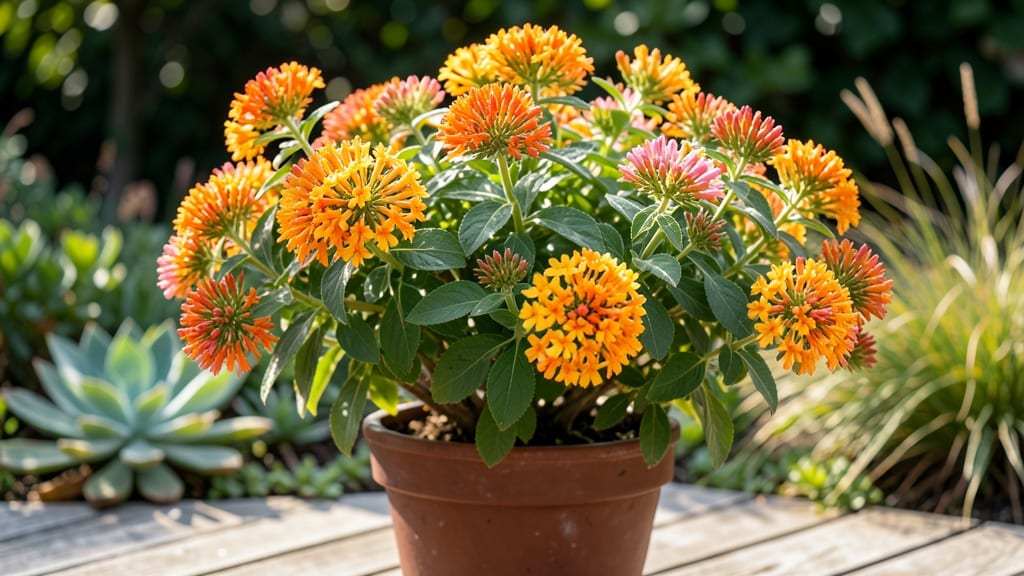
Lantana plants grow between 1 and 5 feet tall, depending on the variety and growing conditions — a range that makes them perfect for everything from window boxes to border plantings.
If you’re dreaming of adding vibrant lantana to your garden but wondering whether it’ll tower over your patio or stay neatly contained, you’re in the right place.
Some types, like the popular 'Bandana' series, stay compact at just 1-2 feet, while others, such as 'Lantana camara', can reach up to 5 feet when left unpruned. The difference comes down to genetics, sunlight, and how aggressively you trim.
This flexibility is why lantana is a favorite for gardeners in USDA Zone 6a and beyond — it adapts to containers, slopes, or full-sun borders without fuss.
Whether you want a low hedge or a dramatic backdrop, understanding your lantana’s growth potential is the first step to shaping it just right.
Below, I’ll break down the height ranges by variety, share pruning secrets to control sprawl, and reveal the one mistake that makes lantana grow wild (or stunted). By the end, you’ll know exactly how to keep your 🌺 lantana at your ideal height, every season.


Lantana height by variety: from ground covers to tall shrubs
Lantana plants are famous for their colorful blooms and adaptability, but their height varies wildly depending on the variety. Some stay low and sprawling, perfect for ground covers, while others grow tall and bushy, ideal for privacy hedges.
Understanding these differences helps you choose the right type for your garden space—whether it's a container garden or a sunny border.
Most lantana varieties fall into three height categories: dwarf (1-2 ft), medium (2-4 ft), or tall (4-6 ft). The key factors influencing their size include genetics, pruning habits, and growing conditions.
For example, a ‘New Gold’ lantana might stay compact in a pot but sprawl wider in the ground, while ‘Lemon Swirl’ can reach shrub-like proportions with proper care.
Below is a breakdown of popular lantana varieties by height, including their mature sizes and growth habits. This will help you visualize how each type fits into your garden layout—whether you want a low-border plant or a tall shrub for a focal point.
| Variety | Height Range | Growth Habit | Best For |
|---|---|---|---|
| ‘New Gold’ | 1–2 ft | Compact, bushy | Containers, borders |
| ‘Bandana’ Series | 1.5–3 ft | Spreading, mounding | Ground covers, slopes |
| ‘Lemon Swirl’ | 2–4 ft | Upright, bushy | Hedges, mixed borders |
| ‘Miss Huff’ | 3–5 ft | Tall, shrub-like | Privacy screens, focal points |
| ‘Weeping’ Types | 1–2 ft (spreading) | Trailing, cascading | Hanging baskets, window boxes |
If you’re planting lantana in containers, dwarf varieties like ‘New Gold’ thrive with regular pruning to maintain their shape. These types rarely exceed 2 feet tall and spread 2–3 feet wide, making them perfect for patio planters or balcony gardens.
Their compact size also means they’re easier to overwinter indoors in colder climates.
For medium-height lantana, like the ‘Bandana’ series, expect a 2–3 foot mature height with a 3–4 foot spread. These work beautifully in flower beds or as low hedges. They’re also great for butterfly gardens because their clustered blooms attract pollinators year-round in warm climates.
Tall lantana varieties, such as ‘Miss Huff’, can reach 5 feet or taller if left unpruned. These are ideal for background planting or creating natural privacy screens.
In my own garden, I’ve used ‘Miss Huff’ as a windbreak along a fence line, where its dense foliage and bright flowers add both function and color.
One common misconception is that all lantana grow tall and wild. In reality, their height is highly manageable with pruning. I’ve seen ‘Lemon Swirl’ lantana kept at 2 feet tall through seasonal trimming, while the same variety left unpruned can reach 4 feet.
This flexibility makes lantana a versatile choice for gardeners with limited space or specific design needs.
When choosing lantana for your garden, consider not just the height but also the spread. Some varieties, like weeping lantana, grow wide rather than tall, making them perfect for hanging baskets or spiller plants in containers.
Always check the mature size on the plant tag to avoid surprises as it grows.
For USDA Zone 8–11, most lantana varieties thrive year-round, while in cooler zones, they’re often grown as annuals or overwintered indoors. Dwarf varieties handle container life best,
How to control lantana growth for different garden spaces
Lantana thrives in various garden spaces, but its height and spread need careful management to fit your design. Whether you're working with containers, borders, or slopes, understanding pruning and training techniques will help you shape lantana to your needs.
The key is balancing growth encouragement with size control—especially for varieties that can reach 3-5 feet tall or sprawl 4-6 feet wide.
For containers and small spaces, dwarf varieties like 'Bandana Series' stay under 2 feet tall, making them perfect for patio pots. In larger beds or slopes, standard varieties may need seasonal pruning to prevent them from overwhelming neighboring plants.
Let’s explore how to train lantana for each garden scenario while keeping it vibrant and healthy.
- 🌱 Containers: Prune regularly to encourage bushiness and prevent legginess. Use dwarf varieties (1-2 ft) for pots.
- 🌿 Borders: Trim back by 1/3 in spring to control spread. Space plants 2-3 feet apart for airflow.
- 🪴 Slopes: Use stakes or trellises to train upright growth. Prune lateral branches to prevent erosion.
- ✂️ Seasonal Care: Light pruning in spring, heavy pruning in fall to shape and remove deadwood.
Start with container gardening if you love lantana’s compact beauty. Choose a pot with drainage holes and fill it with well-draining soil mixed with compost. Prune your lantana every 4-6 weeks to maintain its shape, pinching back tips to encourage branching and fullness.
Deadhead spent blooms to redirect energy into new growth rather than seed production.
For border plantings, lantana’s sprawling habit makes it ideal for softening edges. Plant 3-4 feet apart to allow room for growth, and use shears to trim back after each flowering cycle.
This keeps the plant dense and tidy while preventing it from encroaching on other plants. Mulch around the base to suppress weeds and retain moisture, especially in hot, dry climates.
On slopes or hillsides, lantana’s root system helps stabilize soil, but its height can become unruly. Use bamboo stakes or wire cages to train upright varieties like 'Lemon Swirl.'
Prune aggressively in early spring to redirect growth downward, creating a natural ground cover effect. Avoid overwatering, as lantana thrives in drought conditions once established.
Seasonal care is critical for maintaining lantana’s desired height and shape. In spring, focus on light pruning to remove dead or damaged branches and encourage new growth. By late summer, give your lantana a harder prune to shape it for winter.
In fall, reduce watering and fertilizing to prepare the plant for dormancy, which helps control its size naturally.
With these techniques, you’ll keep your lantana lush, contained, and thriving—whether it’s gracing a container garden, framing a border**, or cascading down a sunny slope. The secret is consistency: prune, train, and monitor regularly to enjoy lantana’s vibrant blooms without the chaos.