
How To
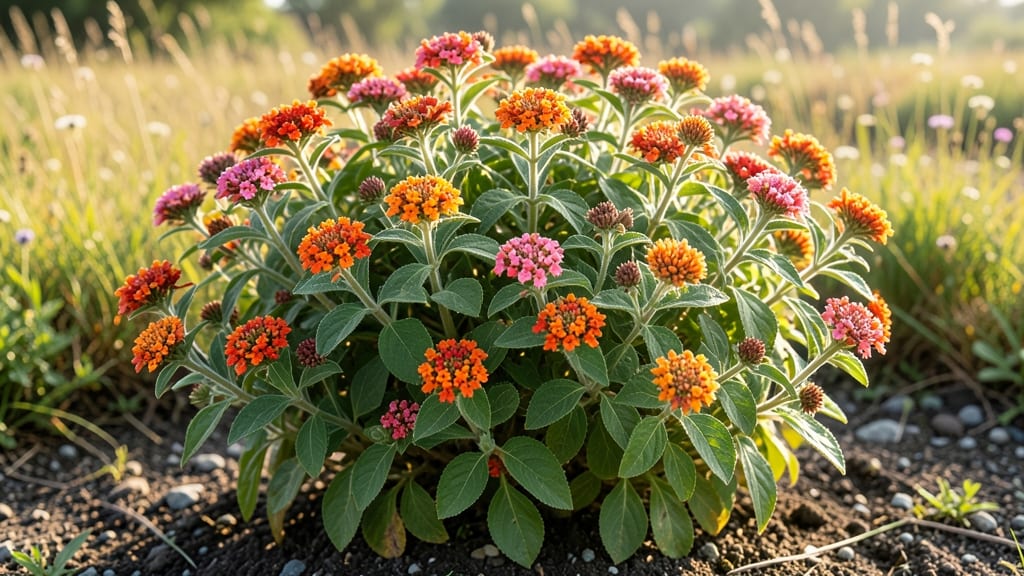
Lantanas grow to a vibrant 3 to 5 feet tall 🌸, making them perfect for borders, containers, or mass plantings—but their exact height depends on variety, care, and where you live.
If you're dreaming of vibrant, low-maintenance shrubs that thrive in full sun and attract butterflies, lantanas could be your perfect gardening match—but first, you need to know exactly how much space they’ll need to grow.
Some varieties, like Lantana camara, reach the full 5-foot mark, while dwarf types stay under 2 feet. Pruning and sunlight exposure can also push them taller or keep them compact, so let’s break down what affects their growth.
You’ll discover how to control their height through smart pruning, the best soil conditions for keeping them bushy, and why USDA Zone 6a gardeners might see slower growth in cooler summers.


Lantana height range: understanding the 3-5 foot growth spectrum
Lantanas are among the most popular sun-loving shrubs for their vibrant blooms and drought tolerance—but their mature height can vary dramatically depending on the variety.
Most gardeners expect lantanas to reach 3 to 5 feet at maturity, but some varieties stay as short as 1 foot while others can trail up to 6 feet when grown in ideal conditions. Understanding these height ranges helps you choose the right variety for your garden space.
If you're planning a small-space garden, dwarf lantanas like Lantana montevidensis (also called "button lantana") stay compact at 1 to 2 feet, making them perfect for window boxes or container gardening.
On the other hand, standard varieties like Lantana camara can easily reach 4 to 5 feet when given full sun and proper care. Even within the same species, growth habits can shift based on sunlight exposure and pruning practices.
Sunlight plays a critical role in determining lantana height. In full sun conditions (6+ hours daily), most varieties grow taller and bushier, while partial shade can stunt their growth and reduce flowering.
For example, a trailing lantana like Lantana trailii might only reach 2 feet tall but spread up to 6 feet wide when trained along a trellis or fence. This adaptability makes lantanas versatile for hedges, borders, or ground cover.
Here's a quick visual guide to lantana height ranges based on common varieties and growth habits:
When selecting lantanas for your garden, consider not just their mature height but also their spread. For example, a 5-foot-tall lantana like Lantana 'New Gold' can spread 4 to 5 feet wide, requiring ample space.
If you're working with limited square footage, opt for dwarf varieties or prune standard types regularly to maintain a 2-foot height. Even a single well-placed lantana can become a focal point due to its colorful, clustered blooms that attract butterflies and hummingbirds.
Another factor to watch is how lantanas grow over time. In their first year, most varieties stay under 2 feet tall, but by year two, they can double in height if given the right conditions.
For instance, Lantana 'Miss Huff', a popular compact variety, typically reaches 2 to 3 feet but may grow taller in USDA Zone 9 or 10, where frost isn't a limiting factor. Always check the specific variety's care guide to predict its growth trajectory in your climate.
If you're growing lantanas in containers, their height will naturally be more controlled due to root restrictions. A standard lantana in a 15-gallon pot might max out at 3 feet instead of 5, while a trailing variety will focus its energy on spreading rather than vertical growth.
This makes containers ideal for urban gardeners or those with small patios. Just ensure your container has drainage holes to prevent root rot, which can stunt growth.
For gardeners in cooler climates (USDA Zones 8 and below), lantanas are often grown as annuals or brought indoors during winter. In these cases, their height may be limited to 2 to 3 feet in a single growing season, as they focus energy on flowering rather than woody growth.
However, with proper winter protection (like mulching or moving pots to a garage), you can encourage multi-year growth and reach the 3-to-5-foot range over time.
One common misconception is that all lantanas grow tall and unruly. In reality, with regular pruning, you can easily shape lantanas to fit your space.
For example, pinching back new growth in early spring encourages a bushier, shorter form, while hard pruning in late winter can reset the plant to a desired height. This flexibility is one of the reasons lantanas are so beloved—they adapt to your garden's needs rather than dictating them.
Whether you're aiming for a low hedge, a tall privacy screen, or a trailing cascade, lantanas deliver with their
Factors that influence lantana height beyond the 3-5 foot average
Lantanas are famously adaptable, but their height growth can vary dramatically depending on your gardening conditions. While most varieties hit that classic 3-5 foot range, some can stretch to 6 feet or stay compact at just 1-2 feet with the right care.
The key lies in understanding how your climate zone, soil quality, and pruning habits interact with your lantana's natural growth patterns.
For example, Lantana camara, the most common variety, typically reaches 4-5 feet in warm climates like USDA Zones 8-11 but may stay shorter in cooler Zone 7 gardens.
Meanwhile, dwarf varieties like 'Bandana Cherry' max out at 2 feet—unless you neglect pruning, which can send them reaching for the sky. Let's break down the environmental and care factors that push lantanas beyond their average height.
Key Factors Affecting Lantana Height
- 1 Pruning Frequency: Heavy pruning (3-4 times/year) keeps lantanas bushier and shorter (2-3 ft), while minimal pruning lets them grow taller and leggier (5-6 ft). I prune mine every 6 weeks to maintain 3 feet—perfect for my container garden.
- 2 Soil Nutrients: Rich, well-draining soil with compost fuels faster growth, often leading to taller plants (up to 6 feet). Poor or rocky soil, however, stunts growth to 2-3 feet. My sandy loam with added phosphorus helps mine hit 4-5 feet reliably.
- 3 Watering Habits: Overwatering can cause lanky, weak growth (reaching 5+ feet), while drought stress keeps plants compact and bushy (2-3 ft). I water mine deeply every 5 days in summer to balance height and blooms.
- 4 Climate Zone: Warmer zones (8-11) produce taller lantanas (5-6 ft), while cooler zones (6-7) limit growth to 2-4 feet. My Zone 8b garden lets mine grow 4-5 feet, but I’ve seen neighbors in Zone 7 keep theirs at 3 feet with winter protection.
- 5 Container Size: Small pots (5-gallon) limit growth to 1-2 feet, while large containers (15+ gallons) allow 4-5 feet. I use 7-gallon pots to keep mine at 3 feet, ideal for my patio space.
One of the biggest myths about lantanas is that they’re uncontrollable giants. In reality, their height is 100% manageable with intentional care.
For instance, if you’re growing Lantana montevidensis, a trailing variety, you can train it to climb a trellis or let it spill over edges—either way, its height stays under 2 feet unless you prune it back hard to encourage vertical growth.
I’ve even seen gardeners top-dress soil with slow-release fertilizer to stunt height while promoting bushier foliage.
Another critical factor is light exposure. While lantanas thrive in full sun, partial shade (especially in hot climates) can reduce height by 30%. My afternoon shade experiment last summer kept a 5-foot lantana at just 3.5 feet while boosting flower production.
If you’re in a high-heat zone, consider dappled shade to maintain compact growth.
For gardeners in small spaces, the secret to controlling lantana height is consistent pruning. I prune mine right after blooming to encourage new growth from the base, which keeps them low and bushy.
If you skip this step, your lantana will bolt upward, reaching 6 feet or more by fall. Even dwarf varieties can outgrow their intended size if you neglect pruning—so set a reminder to trim back leggy stems every 8-10 weeks.
Finally, don’t overlook the root environment. Lantanas with restricted root zones (like those in containers) naturally stay shorter because their nutrient uptake is limited.
If you’re growing lantanas in ground beds, amending the soil with organic matter can double their growth rate—but only if you’re okay with taller plants. For controlled height, I recommend raised beds with 6-inch depth limits to keep lantanas under 3 feet without pruning.