
How To
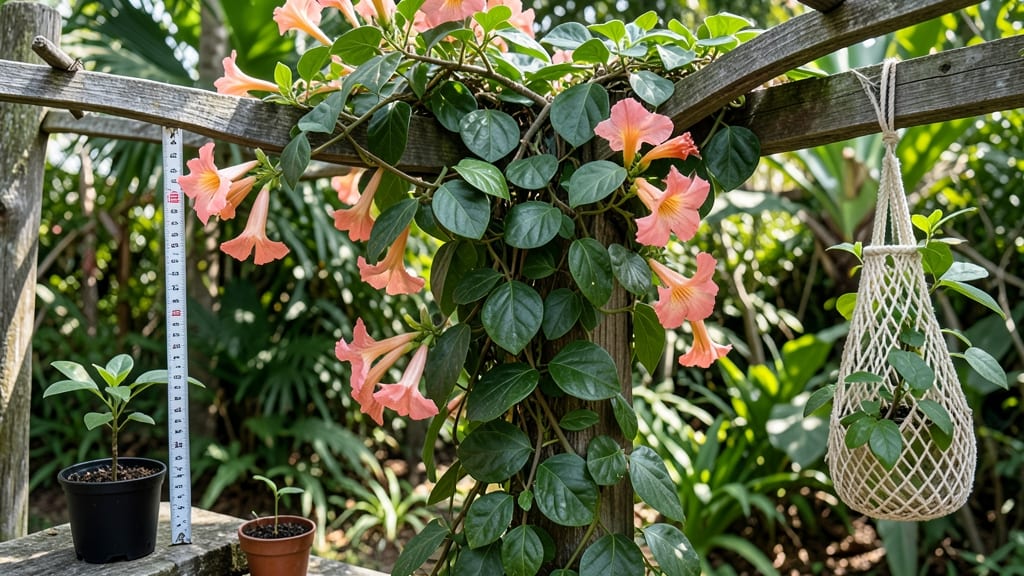
If you’ve ever wondered how tall do mandevillas grow, the answer is between 5 and 15 feet 🌸, depending on variety and care, turning them into stunning tropical vines that can transform any space—if you know how to manage them.
Picture this: a balcony bursting with fragrant blooms, or a patio draped in cascading greenery, all without taking over your yard. The secret?
Understanding how these fast-growing vines climb, sprawl, and respond to pruning—because a 10-foot vine in a container stays far more manageable than one left to its own devices.
Most gardeners assume Mandevillas will sprawl uncontrollably, but with the right support—like trellises or stakes—they can be trained to fit even the smallest outdoor space. Dwarf varieties stay under 5 feet, while standard types reach their full height in just 2-3 years if given the right conditions.
In this guide, you’ll discover how sunlight, pruning, and variety choices shape their growth, plus 5 space-saving tricks to keep them blooming beautifully without dominating your garden.


Mandevilla vine growth height: what to expect & how fast they climb
Mandevillas are tropical vines known for their dramatic height and vibrant blooms, but their growth isn’t just about reaching for the sky—it’s about how you guide them. On average, these fast-climbing beauties mature between 5 to 15 feet, depending on variety, care, and growing conditions.
Understanding their growth rate and habits helps you plan support structures and pruning schedules to keep them thriving in your space.
The standard Mandevilla varieties like ‘Alice du Pont’ can soar to 10–15 feet in ideal conditions, while dwarf types like ‘Amethyst’ stay compact at 3–5 feet.
Even standard varieties grow 1–2 feet per season, so with patience, you’ll see them transform your balcony or trellis into a tropical paradise. Their climbing speed depends on sunlight exposure, soil richness, and pruning practices—all factors we’ll dive into next.
🌱
| Growth Factor | Standard Varieties | Dwarf Varieties | Growth Rate |
|---|---|---|---|
| Mature Height | 10–15 ft | 3–5 ft | 1–2 ft/season |
| First Year Growth | 3–5 ft | 1–3 ft | Slower in cooler climates |
| Sunlight Needs | Full sun (6+ hrs) | Full sun to partial shade | Faster with more sun |
| Pruning Impact | Encourages bushier growth | Minimal pruning needed | Slows height, boosts blooms |
| Support Needed | Trellis or strong stake | Optional (can sprawl) | Guides vertical growth |
Sunlight is the #1 factor influencing how fast your Mandevilla climbs. These vines thrive in full sun, where they can grow up to 2 feet per season with vibrant blooms.
However, in partial shade, their growth slows to 1 foot or less, and you’ll see fewer flowers. If you’re growing Mandevillas in containers or small spaces, place them near a south-facing window or use grow lights to supplement sunlight during shorter days.
Pruning plays a critical role in managing height. If left unchecked, Mandevillas can become top-heavy and leggy, risking breakage during storms. I recommend light pruning in early spring to remove dead or weak stems and shape the vine.
For bushier growth, pinch back the tips to encourage lateral branches, which will produce more blooms. This technique keeps your Mandevilla compact and full rather than one long, vertical stem.
🪴
Support structures like trellises, arbors, or sturdy stakes aren’t just decorative—they’re essential for guiding Mandevillas upward without damaging their delicate stems. Use metal or wooden trellises for durability, especially if your vine reaches 10+ feet.
For container-grown Mandevillas, a small trellis or cage works perfectly to keep them contained. Without support, these vines can flop or sprawl, which may limit their vertical growth potential and make maintenance harder.
Seasonal growth patterns also affect how tall your Mandevilla becomes. In spring and summer, when temperatures are warm and days are long, you’ll see the fastest growth spurts.
During fall, growth slows as the plant prepares for dormancy, and in winter, most Mandevillas (especially in cooler climates) become dormant.
If you’re in USDA Zones 9b–11, your Mandevilla may grow year-round with minimal slowdowns, while those in cooler zones will need winter protection like mulch or a greenhouse.
🌡️
Choosing the right variety is key if you want to control height. Dwarf Mandevillas like ‘Amethyst’ or ‘Sunset’ stay under 5 feet, making them ideal for balconies, window boxes, or small patios. Standard varieties like ‘Alice du Pont’ or ‘Katie’ reach 10–15 feet, perfect for large trellises or fences.
If you’re unsure, start with a dwarf variety—they’re easier to manage and still deliver stunning blooms. For maximum height, opt for a standard type and provide strong support from the start.
One common mistake gardeners make is underestimating Mandevilla’s growth rate. What starts as a 3-foot vine can quickly become a 10-foot climber if not monitored. To avoid overgrowth, prune regularly and train the vine along a support structure.
I’ve seen Mandevillas double in size within a single growing season, so plan ahead with spacious planting spots or vertical gardens. If you’re growing them in containers, choose a large pot (15+ gallons) to
5 Space-saving tricks to control Mandevilla growth without sacrificing blooms
Mandevillas can quickly become unruly if left unchecked, but with the right techniques, you can train them to fit any space while keeping those vibrant blooms coming. The key is redirecting their natural climbing instincts into a controlled, bushier shape—perfect for balconies, containers, or small yards.
I’ve used these tricks in my own garden to turn 10-foot vines into lush, manageable plants that still produce abundant flowers.
Instead of letting them sprawl vertically, focus on horizontal growth and strategic pruning. This approach not only saves space but also encourages more blooms by promoting new growth from the base.
Whether you’re working with a dwarf variety or a standard Mandevilla, these methods will keep your plant thriving without overwhelming your outdoor area.
Trim back 1/3 of new growth in spring to encourage lateral branches and more flowers.
Train vines on vertical supports to control height while allowing horizontal spread.
Choose large pots (15+ gallons) with drainage holes to limit root spread.
Remove top growth tips to redirect energy into side shoots and bushier growth.
Prune after blooming in fall to prevent legginess and promote winter hardiness.
Start with pruning for bushiness—this is the foundation of space-saving Mandevilla care. I recommend cutting back one-third of the new growth in early spring, just as the plant begins to wake up.
This encourages lateral branches to form, which will produce more blooms and create a fuller, more compact shape. Think of it like shaping a topiary: you’re guiding the plant’s energy toward horizontal expansion rather than vertical climbing.
Next, invest in a trellis or cage system to give your Mandevilla structure. I use metal cages (4-5 feet tall) for my balcony plants, which allows the vines to climb upward while still leaving room for side branches to spread.
If you’re working with a dwarf variety, a smaller trellis or even a stake will suffice. The key is to train the vines early—once they’ve established a climbing habit, they’ll follow the support naturally.
For container gardening, size matters. A 15-gallon pot with drainage holes is ideal for limiting root spread while still providing enough space for growth. I’ve seen gardeners struggle with root-bound Mandevillas in small pots, leading to stunted blooms.
If you’re growing in a container, fertilize regularly (every 4-6 weeks) to compensate for the limited soil volume. This keeps the plant healthy and blooming without overcrowding.
Don’t overlook the power of pinching back tips—this simple technique can transform a leggy vine into a bushy, blooming beauty. Every few weeks, pinch off the top 1-2 inches of new growth to encourage the plant to branch out.
I do this throughout the growing season, especially when I notice the vines getting too tall. It’s a quick fix that saves space and boosts flower production.
Finally, seasonal maintenance is crucial for keeping your Mandevilla in check. After the blooming season ends in fall, prune back any dead or overgrown stems to prevent legginess and encourage new growth in spring.
In colder climates, you may need to bring potted Mandevillas indoors for winter, but even then, a little pruning can keep them compact and manageable.
With these tricks, you can enjoy lush, blooming Mandevillas without sacrificing your garden space. The secret is active management—a little pruning, the right support, and consistent care will keep your vines beautiful and contained. Now, go ahead and transform your balcony or patio into a tropical oasis! 🌿