
How To
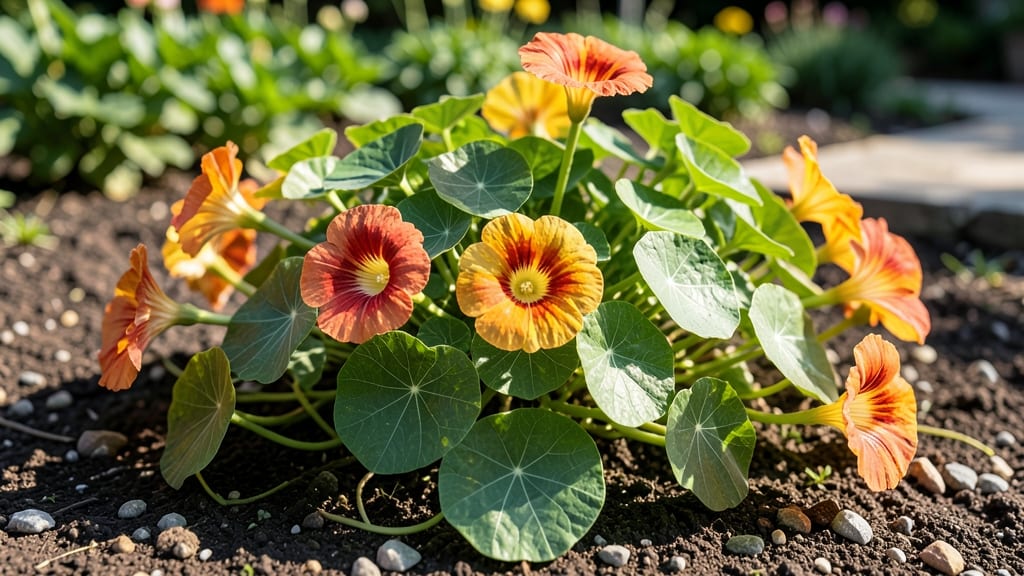
Nasturtiums grow anywhere from 6 inches to 3 feet tall—depending on the variety and how you train them—and that range is the first thing to consider when picking plants for your garden.
If you’re dreaming of vibrant, edible flowers that thrive in containers or climb trellises, nasturtiums might be your perfect garden star—but first, you need to know their growth habits to plan your space wisely.
Dwarf varieties like 'Alaska' stay compact, perfect for window boxes or hanging baskets, while bush types like 'Empress of India' can reach 2 to 3 feet when given room to sprawl. Climbing varieties, though rare, can even stretch up to 10 feet on a sturdy trellis.
Sunlight, soil quality, and a little pruning can push your plants toward their full potential—or keep them neatly contained. Below, I’ll break down the best varieties for your space, plus the secrets to managing their height without sacrificing those stunning blooms.


Nasturtium height ranges by variety: from ground covers to climbing giants
Nasturtiums (Tropaeolum) are one of the most versatile edible flowers in your garden, offering everything from delicate ground covers to dramatic climbing vines. Their height can vary wildly depending on the variety, with some staying under 6 inches while others reach 10 feet when trained.
Understanding these differences helps you choose the perfect nasturtium for your space—whether that’s a hanging basket, container garden, or vertical trellis.
If you’ve ever wondered why your Alaska variety sprawls while your Empress of India climbs, the answer lies in their genetic growth habits. Some nasturtiums are bred to stay compact, while others naturally seek vertical support.
Let’s break down the three main categories—dwarf, bush, and climbing—so you can pick the right one for your garden’s layout and style.
🌱
Dwarf nasturtiums are the perfect space-savers, ideal for balconies or tiny gardens where every inch counts. Varieties like 'Tom Thumb' stay under 6 inches tall but spread 12–18 inches wide, making them excellent for hanging baskets or window boxes.
Their trailing habit creates a cascading effect that adds texture and color to small spaces without overwhelming them.
For a bushier look, opt for standard-height varieties like 'Alaska', which typically reach 1–2 feet tall. These are fantastic for border plantings or as edging along garden paths. Their upright growth habit means they won’t sprawl uncontrollably, and they produce abundant blooms throughout the season.
Pair them with low-growing herbs like thyme or oregano for a fragrant, edible garden display.
If you’re dreaming of a vertical garden, climbing nasturtiums are your best bet. The 'Empress of India' variety can reach up to 10 feet when given a sturdy trellis or fence to climb.
These vining beauties are perfect for adding height and drama to your garden, and their large, showy flowers make them a pollinator magnet. Train them alongside cucumbers or beans to create a natural trellis system that saves space and improves yields.
Pro tip: Climbing nasturtiums don’t need fancy supports—they’ll cling to almost any surface using their tendrils. However, for the healthiest growth, provide a 3-inch mesh trellis or a wooden lattice to distribute their weight evenly.
Avoid overcrowding; give climbing varieties at least 18 inches of space between plants to prevent competition for nutrients.
When choosing nasturtiums for your garden, consider not just their height but also their color palette and bloom time. Dwarf varieties like 'Jewel Mix' offer a rainbow of colors in a compact package, while climbing types like 'Black Velvet' provide deep, moody hues that contrast stunningly with lighter flowers.
Mix and match heights and colors to create a dynamic, layered display that blooms from early summer until frost.
🌿
One common mistake gardeners make is assuming all nasturtiums grow the same way. Overcrowding dwarf varieties or under-supporting climbers can stunt their growth and reduce flowering. Always follow the spacing guidelines for each type: 6 inches apart for dwarfs, 12 inches
Factors that influence nasturtium height: sun, soil, and pruning secrets
Nasturtiums respond dramatically to their growing conditions, and with the right approach, you can coax them to reach their full height potential—or keep them neatly contained.
The key factors are sunlight exposure, soil quality, and pruning techniques, each playing a critical role in whether your plants sprawl or stand tall.
For example, climbing nasturtiums like 'Black Velvet' can stretch up to 10 feet when given a sturdy trellis and plenty of sun, while bush varieties like 'Empress of India' typically max out at 2 to 3 feet without support. The secret lies in understanding how these variables interact.
How to Control Nasturtium Height
- Sunlight: 6+ hours of full sun = taller, bushier growth. Partial shade keeps them compact.
- Soil: Well-draining, nutrient-rich soil fuels faster growth. Poor soil stunts height.
- Watering: Consistent moisture promotes steady growth. Drought stress slows expansion.
- Pruning: Pinch back tips regularly for bushier plants. Remove leggy stems to encourage upward growth.
- Support: Use trellises or cages for climbing types. No support = sprawling habit.
Let’s start with sunlight, the most influential factor. Nasturtiums thrive in full sun (6+ hours daily), where they’ll grow taller and produce more blooms.
However, if you’re dealing with limited space or want to keep plants contained, partial shade (3-4 hours of sun) will naturally limit their height while still encouraging vibrant flowers.
Next, soil quality directly impacts growth speed and vigor. Nasturtiums prefer well-draining, slightly acidic soil (pH 5.5-6.5) with added compost. If your soil is nutrient-poor or heavy clay, your plants may struggle to reach their full height.
Amend with aged compost or worm castings to give them a growth boost.
Watering plays a subtle but important role. While nasturtiums are drought-tolerant once established, consistent moisture during the first 4-6 weeks helps roots establish deeply, supporting taller growth. Avoid overwatering, which can lead to leggy, weak stems that flop instead of standing upright.
Finally, pruning techniques are your best tool for shaping nasturtiums to your needs. To encourage taller, more upright growth, remove the top set of leaves on leggy stems. For bushier plants, pinch back the tips regularly to promote branching. Always use clean, sharp pruners to avoid disease.
With these factors in balance, you can grow nasturtiums that perfectly fit your garden’s needs—whether you want a compact window box display or a dramatic vertical garden climbing up a trellis. 🌸