
Plants
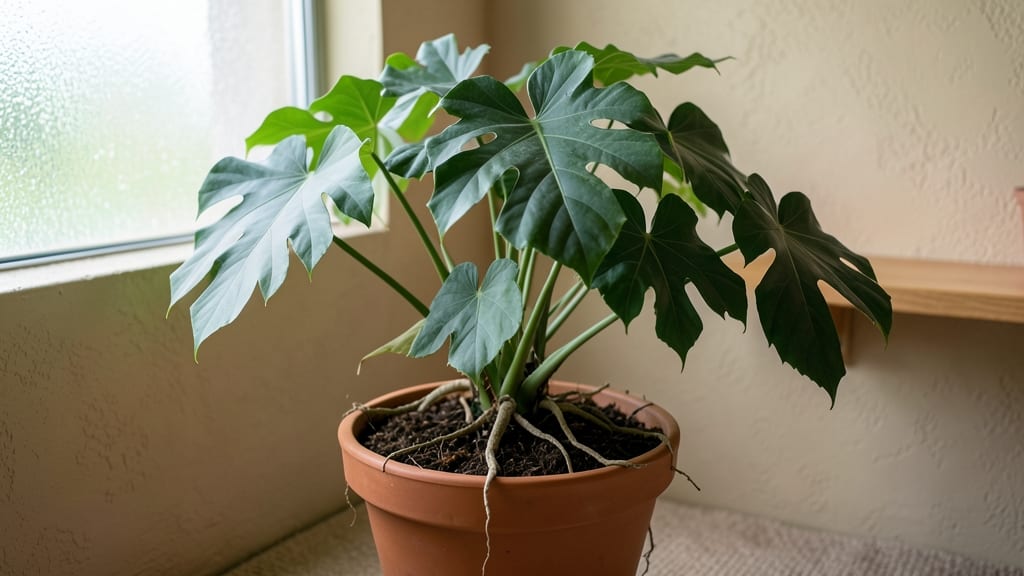
How tall do philodendrons grow? These plants can reach heights ranging from a few feet to over 10 feet, depending on the variety and growing conditions—so choosing the right type for your space is everything.
If you're considering adding a philodendron to your home or garden, knowing its potential height can help you choose the perfect variety for your space—whether you have soaring ceilings or a cozy windowsill.
Some types, like the Philodendron hederaceum, stay compact and trail beautifully, while others, such as the Philodendron bipinnatifidum, can become towering floor-fillers.
Light exposure plays a huge role in how tall your philodendron grows. Too little light slows growth, while bright, indirect light encourages rapid vining. Pruning also helps control height—regular trims keep plants bushier and prevent them from becoming unruly.
In this guide, you’ll discover the mature heights of popular varieties, how to encourage or limit growth, and tips for keeping your philodendron thriving in both indoor and outdoor settings. Let’s get started!


Philodendron height by variety: from floor-fillers to tabletop treasures
Choosing a philodendron often comes down to space—whether you dream of a 10-foot jungle vine or a compact tabletop plant. The good news? Philodendrons offer dramatic height variations, from trailing varieties that stay under 1 foot to towering species that reach 15 feet or more in ideal conditions.
Understanding these differences helps you pick the perfect fit for your home or garden.
Most philodendrons grow as vining plants, meaning their height depends heavily on support structures. Without proper climbing aids, they'll sprawl instead of soar. That said, some varieties naturally stay bushier or shorter, making them ideal for small spaces.
Let's explore the most popular types and their mature heights to help you visualize their potential in your space.
Pro Tip: Always check a philodendron's growth habits before buying—some "dwarf" varieties can still surprise you with rapid vining if given the right conditions. Your local nursery can often show you mature examples to help you decide.
Notice how outdoor conditions dramatically increase height for most varieties? That's because outdoor philodendrons get more light, humidity, and space to spread. For example, the Tree Philodendron (bipinnatifidum) can become a small tree in tropical climates, while indoors it stays a large houseplant without proper support.
If you're working with limited space
Factors that influence philodendron growth height (and how to control them)
Your philodendron's height isn't just luck—it's a mix of genetics, environmental factors, and your care habits. Some varieties naturally reach for the sky, while others stay compact if given the right conditions. Understanding these factors lets you shape your plant's growth to fit your space perfectly.
Light exposure plays the biggest role in height control. Low light slows growth but keeps plants bushier, while bright indirect light encourages rapid vertical growth. If your philodendron stretches toward a window, it's begging for more light—or a taller support structure.
Here's how key factors influence your philodendron's height—and how to manage them:
- 🌿 Light levels: Low light = slower growth (3-5 ft max); bright indirect = rapid vining (6-10 ft)
- 🪴 Pot size: Root-bound plants grow faster but need pruning; oversized pots encourage bushier growth
- ✂️ Pruning habits: Regular trimming keeps plants compact; letting vines grow wild creates taller climbers
- 💧 Watering: Overwatering causes leggy growth; consistent moisture promotes balanced height
- 🌡️ Humidity: Low humidity slows growth; 60%+ humidity encourages faster vining
Pot size matters more than you might think. When roots fill a container, your philodendron focuses on vertical growth to escape. Upgrading to a larger pot (2-3 inches bigger in diameter) encourages bushier habits, while keeping it in a smaller pot promotes climbing behavior.
Pruning isn't just for shaping—it's a growth control tool. Pinching back new growth tips encourages branching, while removing long vines redirects energy upward.
For small spaces, trim vines to 6-12 inches and redirect them to climb a trellis or moss pole—this creates a controlled vertical plant instead of sprawling chaos.
Humidity levels act like a growth accelerator. In dry indoor air (common in homes with 30-40% humidity), philodendrons grow slowly and leggy. Use a humidifier or place the pot on a pebble tray with water to maintain 60%+ humidity—this boosts growth rate and keeps leaves lush.
Remember, even the fastest-growing philodendrons take 1-2 years to reach their mature height. Patience and consistent care will give you the perfect-sized plant—whether you want a floor-filling vine or a compact tabletop beauty**. 🌱