
Trees
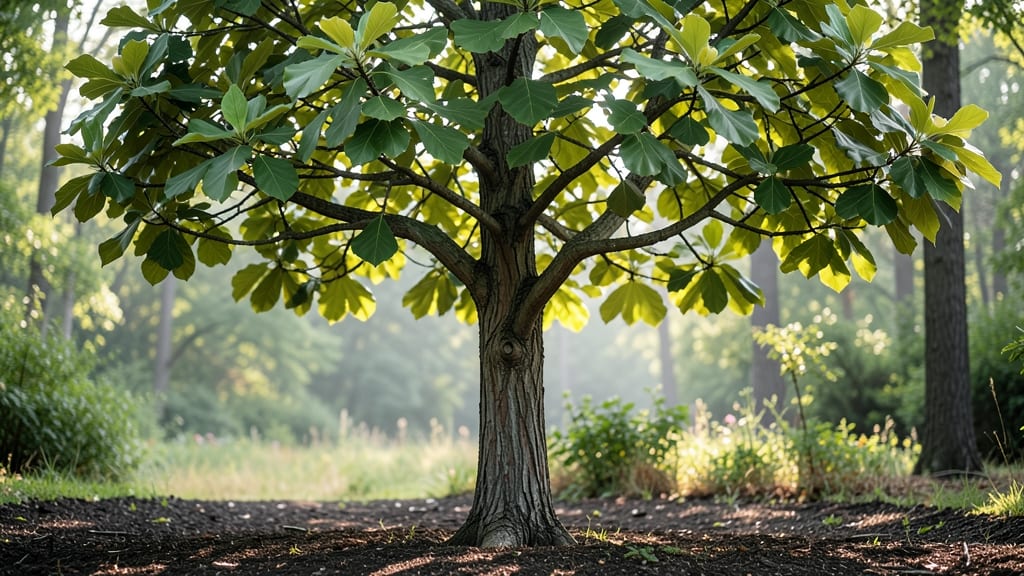
If you're wondering how tall do tulip trees grow, these giants can reach towering heights of 60 to 90 feet 🌳, making them one of the fastest-growing native trees in North America.
If you're dreaming of a towering shade tree that adds drama to your landscape, the tulip tree (Liriodendron tulipifera) might be your perfect match—but first, discover just how massive these giants can grow and what factors influence their height.
Native to the eastern U.S., these trees thrive in USDA Zone 6a and beyond, shooting up 3 to 5 feet per year under ideal conditions. Plant them in full sun with well-drained soil, and you’ll see rapid growth, but their final height depends on spacing, pruning, and local climate.
Want to control their size or maximize their shade? I’ll break down spacing tips, pruning tricks, and the best varieties for smaller yards—so you can plant with confidence.


Mature height ranges of tulip trees by variety and region
Tulip trees (Liriodendron tulipifera) are North America's largest native hardwoods, but their mature height varies dramatically depending on the variety and growing conditions.
The common tulip tree (Liriodendron tulipifera) typically reaches 70–90 feet in ideal conditions, while the Chinese tulip tree (Liriodendron chinense) stays shorter at 40–60 feet. Understanding these differences helps you plan for proper spacing and long-term landscape design.
Regional climate plays a huge role in growth rates. In southern states like Florida or Georgia, tulip trees grow faster and taller due to longer growing seasons, while in northern zones (like Minnesota or New York), growth slows, often resulting in slightly shorter mature heights.
Even within the same region, soil quality and water availability can push a tree 10+ feet taller or shorter than average.
Here’s a quick reference for the most common tulip tree varieties and their mature height ranges:
| Variety | Mature Height (ft) | Growth Rate (ft/year) | Best Regions |
|---|---|---|---|
| Liriodendron tulipifera (Common Tulip Tree) | 60–90 ft | 1.5–3 ft | USDA Zones 4–9 |
| Liriodendron chinense (Chinese Tulip Tree) | 40–60 ft | 1–2 ft | Zones 6–9 (warmer climates) |
| 'Aureomarginatum' (Golden Edge Tulip Tree) | 50–70 ft | 1–2.5 ft | Zones 5–9 (ornamental variety) |
| 'Fastigiatum' (Narrow Form Tulip Tree) | 50–65 ft | 1–2 ft | Zones 4–8 (compact growth habit) |
The 'Fastigiatum' variety is a popular choice for smaller yards because its narrow, columnar shape grows more slowly and stays under 65 feet. Meanwhile, the common tulip tree can shoot up 3 feet per year in optimal conditions, making it a rapid shade provider but requiring ample space.
If you're in a cooler climate, expect slightly slower growth—perhaps only 1–1.5 feet per year—until the tree matures.
For gardeners in urban areas, the Chinese tulip tree is often the better pick due to its smaller stature and tolerance for polluted air. However, it’s less cold-hardy than its North American cousin, so it’s best suited for USDA Zones 6–9.
Always check local nursery recommendations to match your microclimate.
One surprising factor is pruning history. Regular pruning can reduce a tulip tree’s height by 20–30% over time, but aggressive pruning early in its life can stunt its growth permanently.
If you’re planting near power lines or tight spaces, consider dwarf varieties (though true dwarf tulip trees don’t exist—opt for the 'Fastigiatum' instead).
Pro tip: Mulch heavily around young tulip trees to encourage deeper root growth, which helps them reach their full height potential faster. Avoid compacting soil near the trunk, as this can limit upward growth.
With the right conditions, your tulip tree could easily become the tallest tree in your neighborhood—but plan accordingly!
🌳
Key factors that determine how tall tulip trees grow
The height of your tulip tree isn't just luck—it's a mix of nature and nurture. These fast-growing giants can reach 60-90 feet in ideal conditions, but their growth depends heavily on where you live and how you care for them.
Understanding these key factors will help you predict—and even influence—how tall your tulip tree will grow over time.
From the sunlight they soak up to the soil they root in, every detail matters. Even your pruning habits and the climate zone where you plant can shift their growth trajectory.
Let’s break down the most critical elements that determine whether your tulip tree will stretch toward the sky or stay more manageable in size.
-
Sunlight Exposure
Tulip trees thrive in full sun (6+ hours daily). In shady spots, growth slows dramatically—expect 20-30% shorter heights. Southern exposures yield the tallest trees, while northern spots limit growth.
-
Soil Quality & Drainage
Rich, well-draining soil with organic matter fuels rapid growth. Compacted or waterlogged soil stunts roots, reducing height by 15-25%. Test soil pH—ideal range is 6.0-7.5.
-
Water Availability
Young trees need deep weekly watering; mature trees tolerate drought but grow 10-15% slower without consistent moisture. Drip irrigation near roots maximizes height potential.
-
Pruning Practices
Over-pruning reduces height by limiting canopy growth. Strategic crown thinning (removing 20% of branches) maintains shape without stunting vertical growth.
-
USDA Hardiness Zones
Zones 4-9 support tulip trees, but growth varies. In Zone 4, expect 10-15% slower growth due to shorter growing seasons. Zone 9 trees grow 5-10% faster with longer warm periods.
Your local climate also plays a hidden role. For example, in humid southern states, tulip trees grow taller faster due to ideal moisture and heat. Meanwhile, in drier western regions, they may reach 70-80 feet instead of their full 90-foot potential.
Even urban pollution can limit height by 10-20% if air quality is poor.
Don’t forget that spacing matters. Planting tulip trees too close together forces them to compete for resources, resulting in shorter, weaker specimens. Give them 30-40 feet of space to reach their full height potential.
If you’re in a small yard, consider dwarf alternatives like Japanese tulip trees (Liriodendron chinense), though they still top out around 40-50 feet.
By tuning these factors—especially sunlight, soil, and water—you’ll steer your tulip tree toward its maximum height. Whether you want a shade canopy or a manageable specimen, understanding these elements puts you in control of your tree’s future skyline.