
Plants
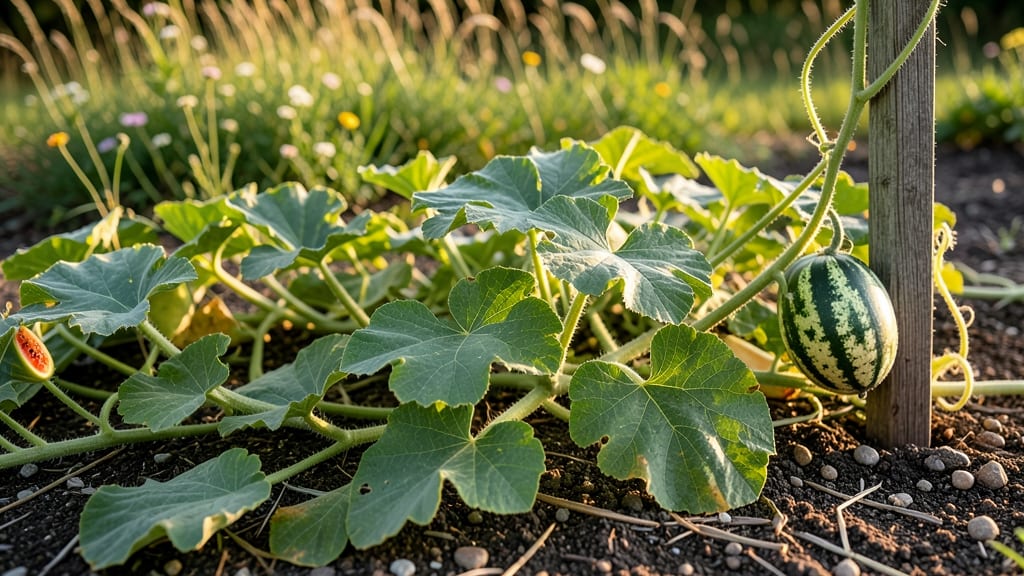
How tall do watermelon plants grow? You might be surprised—these vines often sprawl 6 to 10 feet in a single season, and some can even stretch 20 feet if left unchecked. That sprawling habit is why so many people assume they need a massive backyard, but the truth is, you can grow watermelons in much smaller spaces with the right varieties and techniques.
Picture this: a 3-foot-tall watermelon vine bursting with fruit, all while taking up just a corner of your patio. It’s possible with compact varieties like 'Sugar Baby' or 'Tiny Tim,' which stay under 6 feet and thrive in containers.
Even standard vining types can be trained upward with trellises, saving space without sacrificing yield.
If you’re working with limited room—or just curious about how these giants behave—you’ll want to know which varieties stay small, how to control their height, and when to expect that first harvest.
Below, I break down the differences between bush and vining types, plus the best tricks for keeping your 🍉 plants in check while still getting juicy, homegrown fruit.
Ready to grow watermelons without the sprawl? You’ll learn how to pick the right variety for your space, train vines vertically, and even troubleshoot common growth mistakes—so you can enjoy sweet, ripe melons no matter how big (or small) your garden is.


Watermelon plant growth height: standard vining habits explained
Most watermelon plants are vining giants, stretching 10–20 feet if given free rein in your garden. These sprawling plants rely on tendrils to climb and spread, making them ideal for warm climates where space isn’t a constraint.
The root system can extend 3–4 feet deep, anchoring the plant while searching for moisture and nutrients in the soil.
Understanding the growth habits of watermelons is key to planning your garden layout. Traditional slicing varieties like 'Crimson Sweet' or 'Charleston Gray' often reach 15–20 feet in length, while mini or personal-sized varieties may stay between 6–12 feet.
The misconception that all watermelons are tall vines persists, but bush varieties (like 'Sugar Baby') can stay under 6 feet—perfect for smaller spaces.
Trellising dramatically alters watermelon vine growth by redirecting their energy upward instead of outward. When trained vertically, vines can reduce their spread by 50% while still producing large, high-quality fruit. However, trellising works best with strong support structures (like A-frame trellises or cattle panels) to handle the weight of mature melons. Avoid overcrowding—give each vine at least 3–4 feet of vertical space to thrive.
One of the biggest misconceptions about watermelon growth is assuming all varieties are long, sprawling vines. In reality, bush types (like 'Black Diamond') are genetically bred to stay compact, making them ideal for containers or small gardens.
These varieties sacrifice some vine length for earlier maturity and higher yields per square foot, proving that height isn’t everything when it comes to watermelon success.
Root depth plays a crucial role in vine stability and water uptake. Watermelons develop shallow but widespread roots in the top 6–12 inches, but their taproots can dive 3–4 feet deep to access moisture. This makes consistent watering (especially during flowering and fruiting) critical to prevent vine stress or fruit cracking. Mulching with straw or black plastic helps retain soil moisture and keeps roots cool in hot climates.
If you’re growing watermelons in containers, opt for dwarf or bush varieties to avoid overcrowding. A 5-gallon pot can support a 3–4 foot vine, while 10–15 gallon containers accommodate 6–8 foot varieties.
Container-grown watermelons may produce smaller fruit, but with proper fertilization and sunlight, you can still enjoy a bountiful harvest—just don’t expect 20-pound monsters in limited space.
Pruning can also influence vine height and fruit production. While watermelons don’t need heavy pruning, removing excess lateral shoots early in the season encourages the plant to focus energy on fruit development rather than endless vining. Leave 2–3 main vines per plant to maximize yield without stunting growth. Avoid over-pruning, as this can reduce photosynthesis and weaken the plant.
For maximum yield, combine trellising with proper spacing. Plant bush varieties 2–3 feet apart in rows 4–5 feet apart, while vining types need 6–8 feet between rows.
This spacing prevents disease spread (like powdery mildew) and ensures each vine gets enough sunlight to produce large, sweet melons. In small spaces, use vertical training to grow two vines per trellis, doubling your harvest potential.
🌱 Whether you’re working with a backyard oasis or a balcony container, understanding your watermelon’s natural growth habits is the first step to a successful harvest. With the right variety, support, and care, you can enjoy juicy, homegrown watermelons
Best space-saving watermelon varieties for small gardens & containers
If you love watermelons but have limited space, don't worry—there are compact varieties that thrive in containers or small gardens. These space-saving watermelons grow just 3–6 feet tall while still producing delicious fruit. The key is choosing bush-type varieties or mini watermelons designed for tight spaces.
Traditional watermelon vines can sprawl 10–20 feet, making them impractical for patios or small yards. But with the right container-friendly varieties, you can enjoy sweet, juicy watermelons without sacrificing space.
Below, I’ve compared the best dwarf and semi-dwarf watermelons for small gardens and containers, including their height limits, yield expectations, and care tips.
| Variety | Height | Container Size | Yield | Days to Harvest |
|---|---|---|---|---|
| Sugar Baby | 3–4 ft | 5-gallon pot | 2–4 small melons | 70–75 days |
| Tiny Tim | 3–5 ft | 5–10-gallon pot | 1–2 melons | 65–70 days |
| Black Diamond | 4–6 ft | 10–15-gallon pot | 2–3 melons | 75–80 days |
| Crimson Sweet (bush type) | 4–5 ft | 15-gallon pot | 3–4 melons | 80–85 days |
| Golden Midget | 3–4 ft | 5-gallon pot | 1–2 melons | 65–70 days |
For containers, choose varieties like 'Sugar Baby' or 'Golden Midget', which thrive in 5-gallon pots. These mini watermelons produce fruit in as little as 65 days, making them perfect for balcony gardens.
Larger containers (10–15 gallons) can support 'Black Diamond' or 'Crimson Sweet', which yield slightly bigger melons.
To maximize fruit production in small spaces, use container-specific growing tips. Start with a well-draining potting mix rich in compost, and place your container in full sun (6+ hours daily).
Water deeply every 2–3 days and fertilize lightly every 4–6 weeks with a balanced 10-10-10 fertilizer to encourage healthy vine and fruit development.
If you’re growing in a small garden bed, opt for 'Tiny Tim' or 'Black Diamond', which stay under 6 feet tall and spread only 3–4 feet wide.
These varieties are ideal for raised beds or in-ground plots with limited space. Just ensure they have supportive trellising or a fan-training system to keep vines contained.
Pro tip: Prune excessive side shoots to redirect energy toward fruit production. This keeps the plant compact and manageable while boosting your harvest. With the right space-saving variety and care, you’ll enjoy homegrown watermelons—even in the smallest of gardens! 🌱