
How To
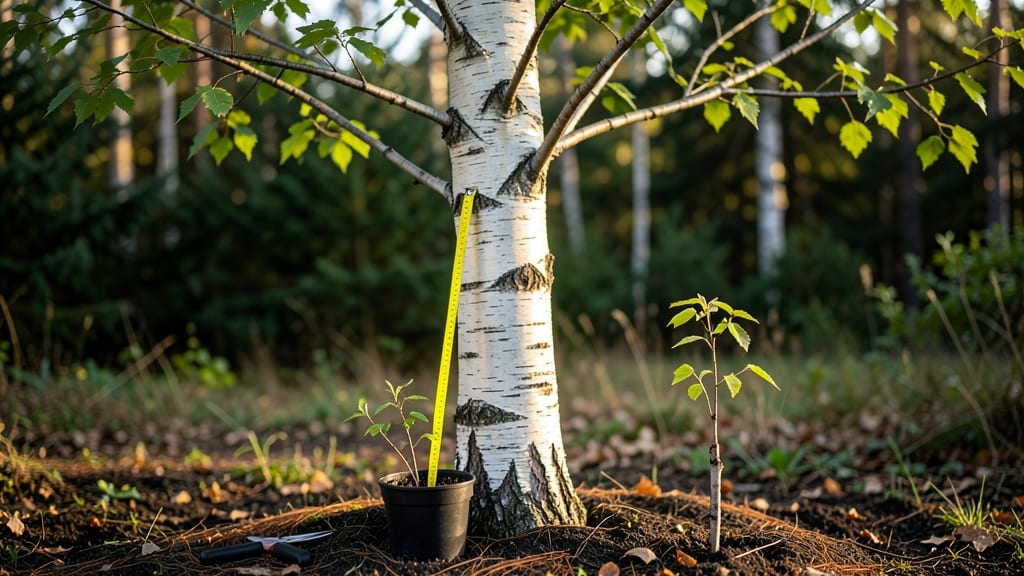
A birch tree grows how tall does a birch tree grow to heights between 20 and 70 feet, depending on the species and growing conditions—a fact that can make or break your landscape plans.
If you're dreaming of adding a birch tree 🌳 to your landscape but wondering how much vertical space it’ll need, you’re not alone.
Many gardeners underestimate their rapid growth, especially when comparing the delicate paper birch (which tops out around 30–50 feet) to the towering yellow birch (which can reach 70 feet). That’s a difference of nearly two stories!
Choosing the right species isn’t just about height—it’s about your yard’s size, soil type, and even your local climate. A river birch, for example, thrives in wet soils and grows 40–60 feet, while a dwarf variety might stay under 25 feet, making it perfect for smaller spaces.
The wrong pick could mean years of regret—or worse, a tree that outgrows its welcome.
In this guide, I’ll break down the height ranges of the most popular birch species, share tips for controlling growth through pruning, and help you pick the perfect variety for your space and goals. Let’s get started!


Birch tree height by species: fastest-growing varieties revealed
Choosing a birch tree for your landscape means understanding their height potential—some varieties grow just 20 feet tall, while others can tower over 70 feet.
The Paper Birch (Betula papyrifera) is a classic example, reaching 30–70 feet at maturity, while the River Birch (Betula nigra) typically stays between 40–60 feet. Your yard’s size and sunlight exposure will dictate which species thrives best, so let’s break down the fastest-growing options and their ideal growing conditions.
If you’re working with limited space, consider dwarf varieties like the Dwarf White Birch (Betula pendula 'Fastigiata'), which maxes out at 15–25 feet. For dramatic impact, the Yellow Birch (Betula alleghaniensis) is a standout, often exceeding 50–75 feet in ideal conditions.
Each species has unique growth habits, so knowing their mature height helps you avoid future headaches—like power lines or roof collisions!
| Species | Mature Height (ft) | Growth Rate (ft/year) | Ideal Climate Zones | Landscape Notes |
|---|---|---|---|---|
| Paper Birch | 30–70 | 1.5–3 | 3–6 | Fast-growing; peeling bark adds texture |
| Yellow Birch | 50–75 | 1–2 | 4–8 | Slow to moderate growth; great for shade |
| River Birch | 40–60 | 2–3 | 5–9 | Tolerates wet soil; exfoliating bark |
| White Birch | 50–70 | 1.5–2.5 | 3–7 | Fast-growing; delicate branches |
| Gray Birch | 20–30 | 1–1.5 | 3–6 | Smallest birch; great for small yards |
| Sweet Birch | 60–80 | 1–2 | 4–8 | Tallest birch; aromatic bark |
| Dwarf White Birch | 15–25 | 0.5–1 | 3–7 | Compact; ideal for containers |
| Heritage Birch | 25–35 | 1–1.5 | 4–8 | Slow-growing; disease-resistant |
How to choose a birch tree based on space and climateSelecting the right birch tree starts with understanding your yard’s space constraints and climate zone. Urban gardens often need dwarf varieties like paper birch (Betula papyrifera), which max out at 30–50 feet, while rural properties can accommodate towering yellow birch (Betula alleghaniensis) reaching 50–75 feet. Your choice directly impacts long-term landscape harmony—overlooking height can lead to power line conflicts or overshadowed patios. Climate plays an equally critical role. Most birches thrive in USDA zones 3–8, but moisture-loving river birch (Betula nigra) prefers humid southern climates, while gray birch (Betula populifolia) tolerates dry, rocky soils in northern regions. Matching species to your microclimate ensures healthier growth and fewer maintenance headaches. 1
Urban Yards (Small Spaces): Opt for dwarf varieties like paper birch (30–50 ft) or white birch (20–40 ft). These fit narrow lots without encroaching on sidewalks or buildings.
2
Rural Properties (Large Spaces): Choose tall-growing species like yellow birch (50–75 ft) or river birch (40–60 ft) for dramatic focal points. Ensure 10+ feet of clearance for mature canopies.
3
Climate Matching: Verify USDA zone compatibility. For example, gray birch (zones 2–7) thrives in cold climates, while river birch (zones 4–9) needs summer moisture.
Begin by measuring your yard’s available height clearance. Use a tape measure or laser tool to check from the ground to power lines, roof edges, or adjacent structures. Subtract 10–15 feet for safety—birches grow 2–3 feet per year in ideal conditions. For example, a 40-foot mature height requires 50+ feet of clearance to avoid future conflicts. Next, assess your yard’s sunlight exposure. Most birches prefer full sun (6+ hours daily), but river birch tolerates partial shade. Test sunlight patterns for 24 hours using a sunlight tracker app or observe shadows at peak hours (10 AM–2 PM). Partial shade spots may suit dwarf birch varieties like Heritage River Birch, which stays under 25 feet. Finally, cross-reference your USDA hardiness zone with species recommendations. For instance, paper birch excels in zones 2–6, while sweet birch (Betula lenta) thrives in zones 4–8. Use the USDA Plant Hardiness Zone Map to confirm your zone, then select birches with 1–2 zone overlaps for optimal resilience. Pro tip: Sketch a simple yard map marking tree placement, sunlight zones, and mature tree outlines. This visual tool reveals potential conflicts before planting—saving time and money on costly removals later. 🌳 |