
Size
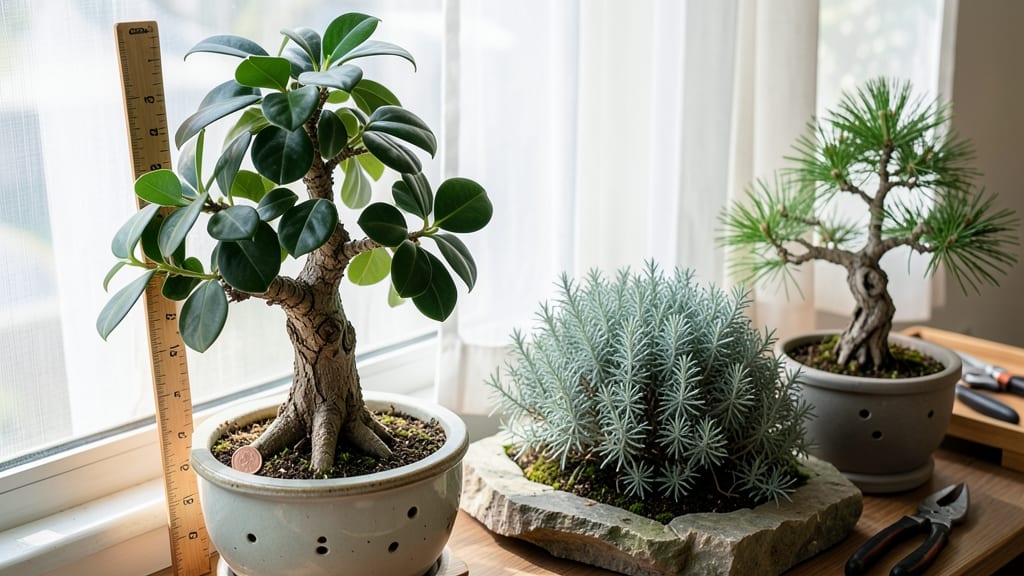
How tall does a bonsai tree grow to just 1-3 feet at maturity, making it the perfect desk-sized masterpiece—but getting there takes more than luck.
If you’ve ever dreamed of owning a bonsai tree but wondered whether it would fit on your desk—or if it’s just a myth that they stay tiny—you’re not alone.
The truth is, their size is a mix of art, science, and patience. Some species naturally stay smaller, while others need careful pruning to keep them in check.
Whether you’re a beginner or a seasoned gardener, understanding how to control a bonsai’s growth is the key to creating your ideal miniature tree. From choosing the right species to mastering pruning techniques, every step shapes its final height.
In this guide, I’ll break down the factors that influence bonsai size, compare popular species, and share simple tips to maintain your tree’s perfect proportions—no green thumb required.


Bonsai tree height guide: what determines their miniature size?
The height of a bonsai tree isn't just about luck—it's a blend of artistic vision, species selection, and meticulous care. While most bonsai stay between 1-3 feet tall, some can shrink to a few inches or grow up to 5 feet in rare cases.
Understanding the factors that influence size helps you create the perfect miniature masterpiece for your space.
At its core, bonsai cultivation relies on dwarfing techniques like pruning, root restriction, and slow-growth conditions. These methods mimic the natural growth patterns of trees in harsh environments, like mountains or deserts, where resources are limited.
The result? A tree that stays small but ages gracefully over decades, just like its full-sized counterparts.
Your choice of bonsai species plays a massive role in determining height. Some varieties, like the Japanese Black Pine, naturally grow slowly and stay compact, while others, such as the Ficus, can grow taller if not carefully managed.
Even the age of the tree affects its size—young bonsai grow faster, while mature trees may only add a few inches per year.
Let’s break down the key factors that influence bonsai height, from biological traits to the tools you’ll use to shape your tree’s growth. Whether you want a desktop-sized bonsai or a floor-level statement piece, these insights will help you achieve your vision.
The art of bonsai lies in balancing these factors to create a tree that fits your aesthetic and space. For example, a Juniper bonsai left unpruned might reach 3 feet tall in a decade, but with regular pruning and root restriction, it can stay under 1 foot for decades.
The key is consistency—bonsai height is a long-term commitment, not an overnight transformation.
Even the container size matters. A bonsai in a smaller pot (like a 4-inch diameter) will grow slower than one in a 10-inch pot, simply because the roots have less space to expand.
This is why professional bonsai artists often use shallow, wide pots to encourage lateral growth over vertical growth.
Don’t overlook the role of seasonal adjustments. In spring, when growth is most active, you’ll need to prune more frequently to control height. During winter, when most bonsai enter dormancy, growth slows to a crawl, giving you a chance to assess your tree’s shape and plan your next steps.
One common misconception is that all bonsai stay
Miniature vs. standard bonsai: size expectations by tree type
When selecting a bonsai tree, the species you choose determines whether it will remain a desk-sized masterpiece or grow into a floor-filling statement piece.
While all bonsai are cultivated to stay small, some species naturally lean toward miniature heights (under 12 inches), while others can reach 3 feet or taller with proper care. The key lies in understanding each tree's growth habits and how environmental factors influence their size.
Environmental conditions like sunlight exposure, watering frequency, and soil composition play critical roles in shaping bonsai size. For example, a juniper bonsai thriving in bright morning sun may stay compact, while the same tree in dim light could stretch unchecked.
Similarly, overwatering can cause rapid, leggy growth, while underwatering may stunt development. Let’s explore how popular bonsai species compare in size and what you can expect from each.
| Species | Typical Miniature Height | Standard Height Range | Growth Rate | Sunlight Needs |
|---|---|---|---|---|
| Juniper (Juniperus) | 6–12 inches | 1–2 feet | Slow to moderate | Full sun (6+ hours) |
| Ficus (Ficus retusa) | 8–15 inches | 1.5–3 feet | Moderate | Bright indirect light |
| Azalea (Rhododendron) | 10–18 inches | 2–3 feet | Slow | Partial shade |
| Pine (Pinus species) | 12–24 inches | 2–4 feet | Slow | Full sun |
| Chinese Elm (Ulmus parvifolia) | 10–16 inches | 1.5–3 feet | Moderate | Bright indirect light |
The juniper bonsai is often the gold standard for miniature enthusiasts, frequently staying under 12 inches with careful pruning. However, even junipers can exceed expectations if given excessive sunlight or nutrients.
On the other hand, pine bonsai are notorious for their potential to grow tall—some mature specimens reach 4 feet if not regularly pruned. The ficus bonsai, while adaptable, can also surprise growers by stretching toward 3 feet when happy in bright indoor light.
Environmental factors like soil drainage and temperature fluctuations further influence size. For instance, well-draining soil prevents root-bound stress, while consistent temperatures encourage steady, controlled growth.
Azaleas, for example, thrive in cooler climates and may stay compact in partial shade, but they can become leggy if exposed to hot afternoon sun. Always match your bonsai’s native growing conditions to its care routine for the best results.
If you’re aiming for a true miniature bonsai, focus on species like juniper or azalea, which are more forgiving with size control. For a bolder statement piece, pines and ficus offer dramatic potential with the right pruning schedule.
Remember, the smallest bonsai isn’t always the easiest to maintain—some species require daily attention to stay tiny, while others grow slowly but steadily regardless of care.
My advice? Start with a juniper or ficus if you’re new to bonsai—they’re forgiving and adaptable to beginner mistakes. With patience and practice, you’ll learn how to guide even the fastest-growing species into your desired size.
The art of bonsai isn’t just about keeping trees small; it’s about balancing nature’s growth with your creative vision. 🪴