
How To
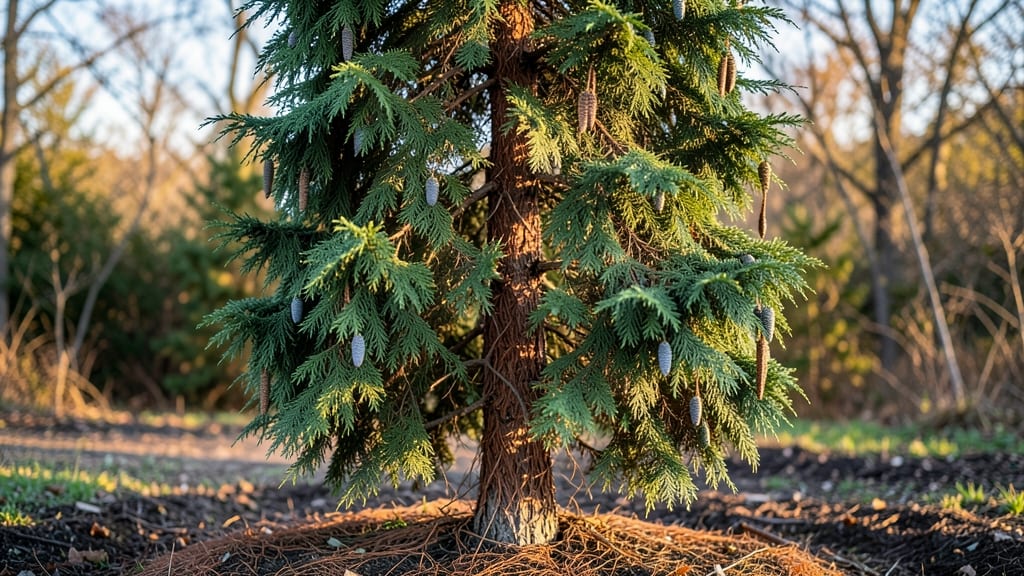
A juniper tree’s mature height can range from just 3 feet to over 40 feet, depending on the variety you choose—so how tall a juniper tree grows is everything when planning your garden.
If you're dreaming of a juniper tree for privacy, shade, or landscape beauty, knowing its mature height is the first step to planting with confidence. Some varieties reach towering heights while others stay compact, and the wrong choice could mean years of regret—or worse, a tree that outgrows its welcome.
Fast-growing junipers like Juniperus virginiana can shoot up to 30 feet or more, making them perfect for windbreaks or large properties. Meanwhile, dwarf varieties like Juniperus horizontalis stay under 3 feet, ideal for borders or small yards where space is tight.
In this guide, I’ll break down the fastest-growing varieties, how to estimate height over time, and the best picks for small vs. large spaces—so you can plant with confidence and avoid costly mistakes.


Juniper tree height ranges: fastest-growing varieties and their mature sizes
Choosing a juniper tree for your landscape starts with understanding its mature height, which can vary dramatically between species. Some junipers stay under 3 feet while others tower over 40 feet, making size planning critical.
Fast-growing varieties like Eastern Red Cedar can add 2-3 feet per year in ideal conditions, while slower growers like Creeping Juniper may only gain 1-2 inches annually. Let’s explore the full spectrum of juniper heights and how they impact your garden design.
Juniper trees are prized for their adaptability and low-maintenance nature, but their height potential depends heavily on the cultivar. Dwarf varieties like Blue Rug Juniper (just 2 feet tall) are perfect for rock gardens, while Pencil Point Juniper can reach 15-20 feet in a single decade.
Even within the same species, growth rates differ based on soil quality, sunlight exposure, and climate. For example, a Virginia Juniper in full sun may grow 3x faster than one planted in partial shade.
Here’s a quick reference for the most popular juniper varieties, ranked by their fastest growth rates and mature heights, to help you visualize their impact in your yard:
| Variety | Mature Height | Annual Growth | Best For |
|---|---|---|---|
| Eastern Red Cedar (Juniperus virginiana) | 30–40 ft | 12–24 in | Privacy screens, windbreaks |
| Pencil Point Juniper (Juniperus deppeana) | 15–20 ft | 6–12 in | Focal points, narrow spaces |
| Blue Rug Juniper (Juniperus horizontalis 'Blue Rug') | 2–3 ft | 1–2 in | Ground cover, containers |
| Sargent Juniper (Juniperus chinensis 'Sargentii') | 10–15 ft | 8–12 in | Hedges, small yards |
| Creeping Juniper (Juniperus horizontalis) | 1–3 ft | 2–6 in | Slopes, erosion control |
| Skyrocket Juniper (Juniperus scopulorum 'Skyrocket') | 10–12 ft | 6–10 in | Vertical accents, narrow borders |
If you’re planning for privacy or windbreaks, the Eastern Red Cedar is one of the fastest-growing junipers, capable of reaching 30 feet in just 10 years with proper care. Its columnar shape makes it ideal for tight spaces where you need height without bulk.
For small gardens or containers, Blue Rug Juniper stays compact while offering year-round color and texture. Always check the spacing recommendations on the nursery tag—planting too close can stunt growth and lead to competition for nutrients.
Fast growth doesn’t always mean rapid height gain. Some junipers, like the Sargent Juniper, grow wide before tall, creating a low, bushy habit perfect for hedges. Others, like Pencil Point Juniper, shoot upward quickly but maintain a narrow profile, making them great for vertical gardens.
Before planting, sketch your mature tree outline on paper to visualize how it will fill out over time—especially important if you’re planting near walkways or structures.
Climate plays a huge role in growth rates. Junipers in USDA Zones 5–8 thrive with minimal intervention, but those in cooler zones (Zone 4) may grow 20–30% slower until established.
In arid regions (Zone 9+), some varieties like Utah Juniper can grow 3 feet per year due to intense sunlight and dry heat. Always match your juniper to your local microclimate—a dwarf variety in a hot, dry yard might outpace its listed growth rate.
Pruning can also accelerate or slow height growth. Regular tip pruning encourages bushier growth, while selective branch removal can redirect energy upward. For example, if you want a taller, narrower juniper, prune the lower branches annually to reduce competition for resources.
Just avoid over-pruning—junipers are resilient but can take 3–5 years to recover from severe cuts. Always use sterilized tools to prevent disease spread.
For urban gardens with limited space, consider container-grown junipers. Varieties like Blue Pacific Juniper (mature height: 8–10 feet) thrive in large pots and can be moved seasonally. Just ensure your container has drainage holes and use a lightweight, well-d
How to estimate a juniper tree’s height growth over time
Predicting how tall your juniper tree will grow requires understanding its annual growth rate, which varies dramatically by species. For example, the Eastern red cedar (Juniperus virginiana) grows about 12-24 inches per year, while dwarf varieties like ‘Blue Rug’ juniper might only add 2-4 inches annually.
Knowing these rates helps you plan spacing and pruning from day one.
Your juniper’s growth also depends on soil quality and climate conditions. Well-draining, slightly acidic soil (pH 5.0-7.0) and full sun exposure (6+ hours daily) maximize growth potential. In urban areas with compacted soil or limited sunlight, growth slows significantly—sometimes by up to 50%.
Rural settings with loose, nutrient-rich soil often yield faster, healthier growth.
- 1. Annual Growth Rate: Check your juniper’s species—fast growers like ‘Sargentii’ add 12-24 inches/year, while dwarfs like ‘Blue Rug’ grow just 2-4 inches/year. Multiply by years to estimate mature height.
- 2. Soil Matters: Amend clay-heavy soil with compost to improve drainage. Juniper roots rot in soggy conditions, stunting growth. Test soil pH—ideal range is 5.0-7.0 for optimal nutrient uptake.
- 3. Sunlight Exposure: Full sun (6+ hours) boosts growth by 30-50%. Partial shade slows height gain, especially for sun-loving varieties like ‘Skyrocket’ juniper. Monitor leaf color—yellowing indicates insufficient light.
- 4. Pruning Impact: Pruning in late winter or early spring encourages bushier (not taller) growth. Avoid heavy pruning—it stresses the tree and can reduce annual height gain by 10-20%.
- 5. Climate Adjustments: Coastal areas with mild winters may see faster spring growth, while harsh winters can delay early-season sprouting. In dry climates, deep watering (1-2 times/week) maintains growth rates.
Pruning plays a critical role in managing height. If you want to keep your juniper compact, prune new growth in late winter before buds swell. For varieties like ‘Emerald Green’ arborvitae (a juniper lookalike), aggressive pruning can reduce height gain by up to 30% over 5 years.
Always use sterilized shears to prevent disease spread.
Urban vs. rural planting makes a huge difference. In cities, pollution and heat islands can reduce growth by 20-30%, while rural areas with clean air and natural soil offer ideal conditions.
For example, a ‘Pfitzer’ juniper might reach 10 feet in 10 years in a rural yard but only 7 feet in the same timeframe in an urban setting.
Track your juniper’s growth annually by marking its height on a stake near the trunk or using a measuring tape. Record notes like soil moisture, pruning dates, and nearby obstructions (like power lines).
Over time, you’ll spot patterns—like slower growth after a drought or a growth spurt after adding compost.
Remember, junipers are low-maintenance but benefit from occasional care. Mulch annually with wood chips to retain moisture, and fertilize lightly in early spring with a balanced 5-10-10 formula. Avoid over-fertilizing—it can lead to weak, leggy growth and reduce height potential by 15-25%** over time.