
How To
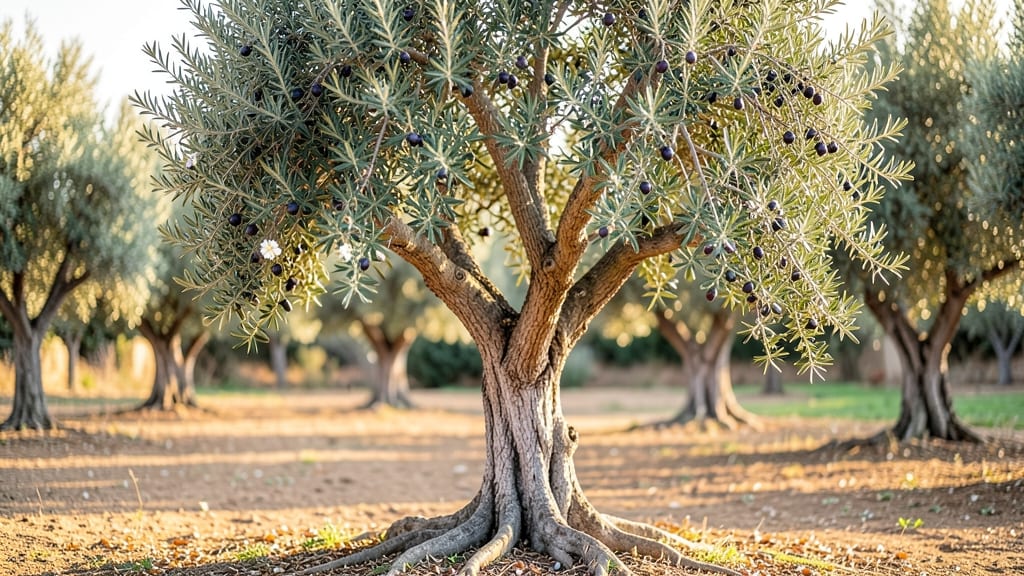
An olive tree 🫒 can grow anywhere from 8 feet to over 50 feet tall, depending on its variety, growing conditions, and how you prune it.
Picture this: your tiny olive tree sapling today could be a towering shade provider—or a neatly trimmed patio centerpiece—by the time it matures. The difference? Variety selection, climate, and a little pruning know-how.
Standard olive trees like 'Manzanillo' or 'Mission' reach 25–50 feet in ideal conditions, while dwarf varieties like 'Little Ollie' stay under 10 feet, making them perfect for containers or small yards.
In this guide, I’ll break down height ranges, how to control growth, and whether your space can handle a full-sized olive tree—or just a compact one.


Standard olive tree height: how big can they really get?
If you’ve ever admired an olive tree in a Mediterranean landscape, you might assume all olive trees (Olea europaea) grow to towering heights. But the truth is far more variable.
In their native habitats, standard olive trees can reach 25 to 50 feet tall, with some ancient specimens defying expectations by exceeding 60 feet. However, their growth depends heavily on variety, climate, and pruning practices.
For example, a tree in California’s coastal regions may stay shorter due to cooler temperatures, while a tree in Spain’s Andalusia could grow taller with warm, dry summers.
The key to predicting an olive tree’s height lies in understanding its growth patterns. Young trees grow 1 to 3 feet per year for the first decade, then slow to 6 to 12 inches annually as they mature.
Without pruning, a standard olive tree can easily surpass 30 feet in ideal conditions. But in home gardens, most growers prune aggressively to keep them manageable, often between 15 and 25 feet. This makes them perfect for large backyards or even as striking focal points near patios.
Climate plays a surprising role in olive tree height. In USDA Zones 8-10, where frost is rare, trees grow faster and taller due to year-round warmth. In contrast, trees in Zones 6-7 may struggle to reach their full potential because cold snaps can stunt growth or damage branches.
Even within the same zone, microclimates—like a sunny, sheltered spot—can encourage taller growth compared to a windy, exposed area.
Here’s a quick look at how standard olive tree varieties compare in height, along with other key details to help you plan your garden:
One of the most fascinating examples of olive tree height is the Millennium Olive Tree in Spain’s Alicante province. Estimated to be over 2,000 years old, this ancient tree stands at a staggering 50+ feet tall with a trunk circumference of nearly 10 feet.
Its longevity and size are a testament to the olive tree’s resilience in ideal Mediterranean conditions. While most homeowners won’t grow a tree this massive, understanding these extremes helps contextualize what’s possible—and what’s practical—for your garden.
If you’re planting an olive tree in a smaller space, don’t assume it will stay compact. Even standard varieties can outgrow their welcome if left unpruned.
For instance, a Manzanillo olive tree in a suburban yard might reach 15 feet in 10 years without intervention, while a Frantoio could easily double that height.
The key is to plan for future pruning from day one, especially if you want to keep the tree near your home or driveway.
Another factor to consider is the root system. Olive trees have deep, extensive roots that can spread 2 to 3 times the width of the canopy. This means a 20-foot-tall
Dwarf olive trees: compact varieties for small spaces and containers
If you love the idea of growing an olive tree but lack the space for a towering Mediterranean giant, dwarf olive trees are your perfect solution. These compact varieties stay between 3 to 10 feet tall, making them ideal for patios, balconies, and even large containers.
Whether you're growing them for their silver-green foliage, fragrant blossoms, or edible olives, these smaller cultivars deliver big rewards in a small footprint.
Not all dwarf olive trees are created equal. Some varieties, like the 'Little Ollie', max out at just 3 to 5 feet, while others, such as the 'Arbequina', can reach 8 to 10 feet with proper care.
The key to keeping them small lies in selecting the right cultivar and practicing regular pruning. With the right approach, you can enjoy a miniature olive tree that thrives in even the most limited spaces.
🌱 Comparison Table: Dwarf Olive Tree Varieties
| Variety | Mature Height | Best For | Pruning Needs |
|---|---|---|---|
| 'Little Ollie' | 3–5 ft | Containers, patios | Light pruning yearly |
| 'Arbequina' | 8–10 ft | Small yards, urban gardens | Moderate pruning |
| 'Frantoio' | 6–8 ft | Balconies, small orchards | Structural pruning |
| 'Little Gem' | 4–6 ft | Containers, indoor-outdoor | Minimal pruning |
When choosing a dwarf olive tree, consider your growing conditions. These trees thrive in full sun (6+ hours daily) and well-draining soil.
In containers, use a fast-draining potting mix with added perlite or sand to prevent root rot. Water deeply but infrequently—dwarf olive trees are drought-tolerant once established, but young trees need consistent moisture.
To maintain their compact size, prune in late winter or early spring before new growth begins. Focus on removing suckers (shoots growing from the base) and thinning crowded branches to improve airflow.
Avoid heavy pruning, as olive trees respond best to gradual shaping. With the right care, your dwarf olive tree will stay small, healthy, and productive for years.
One of the biggest advantages of dwarf olive trees is their versatility. You can grow them in large pots on a balcony, line a small patio with a few, or even train them as espalier along a fence.
Just ensure they get enough sunlight—partial shade will stunt growth and reduce olive production. With the right variety and care, you’ll enjoy a miniature olive tree that’s as rewarding as its full-sized cousins.
Ready to grow your own? Start with a 'Little Ollie' for a true dwarf option or choose 'Arbequina' for a slightly taller, fruit-bearing tree. Just remember: patience is key—these trees grow slowly but reward you with years of beauty and harvests. 🌿