
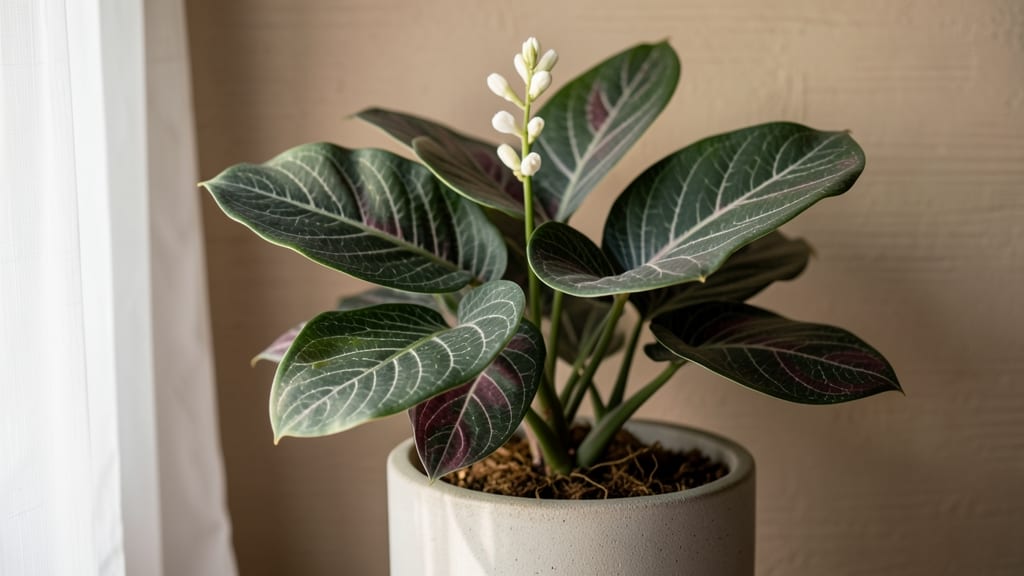
How Tall Do Calathea Plants Grow: Variety-Specific Heights You’ll Love

Plants

How Tall Do Calathea Plants Grow: Variety-Specific Heights You’ll Love

How tall does calathea grow? These striking plants reach heights ranging from 12 inches to over 3 feet, depending on the variety, making them a versatile choice for any indoor space.

If you’re considering adding a calathea to your indoor jungle but wondering whether it’ll tower over your shelves or stay compact, you’re in the right place.

Some varieties, like the Calathea orbifolia 🌿, max out at just 18 inches, while others, such as the towering Calathea lancifolia, can reach 3 feet or more with proper care.

Below, we’ll break down exactly what to expect from each variety, how to control their growth, and the key factors that influence their height—so you can choose the perfect one for your home.

📈 Calathea Growth Timeline
1-1.5 ft
Year 1
1.5-2.5 ft
Year 2
2-3 ft
Year 3
2-3 ft
Mature

Calathea height guide: smallest to tallest varieties compared

Choosing a calathea often comes down to one key question: how tall does it grow? Some varieties stay compact enough for tiny shelves, while others become stunning vertical statements in your home. The good news?

With 100+ calathea varieties, there’s a perfect size for every space—whether you want a 12-inch tabletop plant or a 4-foot statement piece. Let’s explore the height spectrum so you can pick the ideal match for your decor.

Most calatheas reach their mature height within 1–2 years, though growth slows dramatically after the first year. The biggest factors influencing height are genetics (variety), light exposure, and container size.

For example, a Calathea orbifolia in a cramped 6-inch pot will stay shorter than one in a 12-inch container with perfect light. Below, we’ve ranked the most popular varieties from smallest to tallest, complete with their ideal growing conditions to help you visualize their potential.

Variety Name Mature Height (Range) Growth Habit Best Light Conditions Key Visual Feature
Calathea orbifolia 12–18" Clumping Medium to bright indirect Large, round leaves with prominent veins
Calathea rufibarba (Hope Calathea) 18–24" Clumping Low to medium indirect Fuzzy, burgundy undersides
Calathea makoyana (Prayer Plant) 18–24" Clumping Low to medium indirect Purple undersides, oval leaves
Calathea lancifolia (Rattlesnake Plant) 24–36" Upright Low to medium indirect Striped, elongated leaves
Calathea warscewiczii (Peacock Plant) 24–36" Spreading Medium indirect Iridescent, peacock-like patterns
Calathea medeola (Pinstripe Plant) 24–36" Upright Low to medium indirect White pinstripes on dark leaves
Calathea concinna 30–42" Upright Medium indirect Small, glossy leaves with purple undersides
Calathea burle-marxii 30–42" Upright Medium to bright indirect Dark green with white veins
Calathea insigne 36–48" Upright Medium indirect Large, velvety leaves with purple undersides
Calathea fuedii

How to control calathea growth: pruning, repotting, and light tips

If your calathea is stretching toward the ceiling like a sunflower chasing the sun, don’t panic! Most growth issues stem from light exposure or root constraints. The good news?

You can easily manage their height with simple adjustments. Whether you want a compact bush or controlled vertical growth, these strategies will keep your plant thriving in your space.

Calatheas naturally grow between 12–36 inches, depending on the variety. But with the right care, you can encourage them to stay shorter or grow fuller. The key is understanding how pruning, repotting, and light conditions interact to shape their structure.

Let’s dive into actionable tips to keep your calathea at your desired height.

🌿 How to Control Calathea Growth
  1. 1
  2. Pruning for Bushiness
    Trim leggy stems at leaf nodes to encourage branching. Best done in spring/summer when growth is active. Use clean, sharp scissors to avoid damaging the plant.
  3. 2
  4. Repotting for Root Health
    Repot every 1–2 years in well-draining soil. If roots are crowding the pot, it signals faster vertical growth. Choose a container only 1–2 inches larger in diameter.
  5. 3
  6. Light Adjustments
    Too much direct light causes taller, thinner leaves. Too little light slows growth entirely. Place your calathea in bright, indirect light, like a north or east-facing window.

Start by pruning leggy stems just above a leaf node. This encourages your calathea to branch out instead of growing upward. For example, if your Calathea lancifolia is reaching 3 feet, pruning in late spring will promote a bushier, more manageable shape by summer.

Always use sterilized scissors to prevent disease.

Repotting is another game-changer. If your plant’s roots are circling the pot or poking out of drainage holes, it’s time to upgrade. Choose a container that’s only 1–2 inches wider than the current one—larger pots encourage faster vertical growth. Use a peat-based mix with perlite for optimal drainage.

Light is the most critical factor in controlling height. Calatheas thrive in bright, indirect light. If your plant is stretching toward a window, it’s likely not getting enough light. Move it closer to a north or east-facing window, or use a grow light for 4–6 hours daily.

Avoid south or west windows, which can scorch leaves and cause elongated growth.

Finally, maintain high humidity (60%+) and water consistently—never let the soil dry out completely. These small adjustments will keep your calathea compact and lush, ensuring it fits perfectly in your space without sacrificing its stunning foliage.

★★★★★4.8(10 reviews)
Categories Plants