
How To
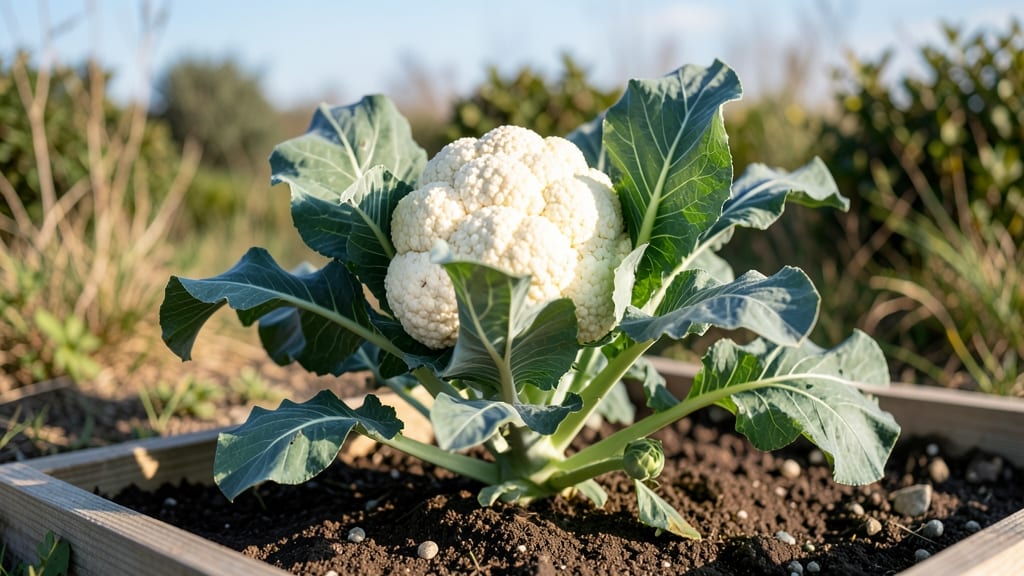
Cauliflower plants grow anywhere from 8 inches to over 3 feet tall depending on the variety, and picking the right size for your space makes all the difference.
If you’ve ever wondered whether your backyard can handle a towering cauliflower plant—or if you’re dreaming of a compact harvest—understanding cauliflower height variations is key to maximizing your garden’s potential.
Some varieties stay small enough for containers, while others stretch toward the sky, and knowing the difference can save you from overcrowding or wasted space.
Most home gardeners grow standard varieties that reach 18 to 24 inches, making them perfect for raised beds or small plots. But if you’re working with limited room, dwarf types stay under 12 inches, while giant varieties can top 3 feet—ideal for larger gardens or commercial plots.
The right choice depends on your layout, sunlight, and how much you plan to harvest.
Below, I’ll break down the height ranges for popular types, spacing tips to keep your plants thriving, and how to adjust your garden plan based on whether you’re growing compact heads or towering stalks. Ready to plan your perfect 🥬 patch?


Cauliflower height guide: from dwarf to giant varieties explained
If you’re planning your garden layout, knowing how tall cauliflower grows can make all the difference. Some varieties stay small enough for containers, while others reach nearly waist-high—each with unique space needs. Let’s break down the height ranges so you can choose the perfect fit for your growing space.
Cauliflower plants grow vertically, but their mature height varies dramatically based on the variety. Dwarf types stay under 2 feet tall, while giant varieties can reach 3+ feet. Understanding these differences helps prevent overcrowding and ensures your plants get enough sunlight and nutrients to thrive.
Here’s a quick reference for the most common cauliflower height categories:
| Variety Type | Mature Height | Best For | Spacing Needs |
|---|---|---|---|
| Dwarf Varieties | 12–18 inches | Containers, small gardens, urban plots | 12–18 inches apart |
| Semi-Dwarf Varieties | 18–24 inches | Raised beds, small backyard gardens | 18–24 inches apart |
| Standard Varieties | 24–36 inches | Traditional gardens, larger plots | 24–36 inches apart |
| Giant Varieties | 36+ inches | Large farms, spacious backyards | 36+ inches apart |
Dwarf varieties like ‘Snowball Y Improved’ or ‘Purple of Sicily’ are perfect for small spaces, including containers and window boxes. Their compact size makes them ideal for beginners or those with limited room. Just ensure they get at least 6 hours of sunlight daily to prevent leggy growth.
Standard varieties such as ‘Romanesco’ or ‘Cheesehead’ strike a balance, reaching 2–3 feet tall while still fitting well in most home gardens. These are great for gardeners who want a classic harvest without sacrificing space. Space them 18–24 inches apart to avoid shading.
For those with ample garden space, giant varieties like ‘Mammoth’ or ‘Giant of Sicily’ can grow over 3 feet tall and produce heads weighing 5+ pounds. These need plenty of room—3 feet between plants—and may require staking to support their heavy heads.
Growth patterns also matter. Most cauliflower varieties grow vertically in a bushy shape, with leaves forming a protective canopy around the head. This structure helps shield the head from direct sunlight, which can cause it to turn yellow or bitter.
However, if plants are too crowded, they’ll compete for nutrients, leading to smaller heads.
When planning your garden, consider not just height but also head size. Dwarf varieties produce smaller heads (typically 4–6 inches wide), while giant types can yield heads 12+ inches across. Match your variety to your goals—whether it’s quick container harvests or showstopping giant curds.
Pro tip: If you’re growing cauliflower in containers, choose dwarf varieties and use pots at least 12 inches deep with good drainage. Larger pots can accommodate semi-dwarf types, but avoid overcrowding—even compact plants need room to breathe.
Finally, remember that soil fertility and sunlight directly impact height. Rich, well-draining soil with consistent moisture encourages healthier, more compact growth. If your plants stretch too tall or develop weak stems, they may need more sunlight or support.
How to choose cauliflower varieties based on garden space
Your garden’s layout determines whether you’ll grow dwarf cauliflower in containers or towering varieties in spacious plots.
Compact types like 'Snowball Y Improved' stay under 12 inches, perfect for balconies or small raised beds, while 'Giant of Sicily' can reach 3 feet or taller, needing 36+ inches of space per plant. Choosing the right size prevents overcrowding and ensures healthy heads.
For container gardening, select miniature varieties like 'Purple of Sicily' (10–12 inches) or 'Snowball' (12–18 inches). These thrive in 5-gallon pots with proper drainage, making them ideal for patios or urban gardens.
Larger pots (10+ gallons) can accommodate semi-dwarf types like 'Romanesco' (18–24 inches), but expect slower growth due to limited root space.
In small gardens, prioritize space-efficient varieties such as 'Early Snowball' (12–18 inches) or 'Cheddar' (18–24 inches). Space plants 18–24 inches apart to allow airflow and prevent disease.
Avoid giant types unless you have deep soil beds or a trellis system to support their height—'Mammoth Purple' can sprawl up to 4 feet and needs 36 inches of clearance.
Compact vs. Tall Cauliflower Varieties
- Pros: Fits containers, small spaces
- Pros: Faster maturity (60–70 days)
- Cons: Smaller heads (1–2 lbs)
- Pros: Larger heads (3–5 lbs)
- Pros: Better for bulk harvests
- Cons: Needs more space (36+ inches)
If you’re planting in large plots, mix varieties for diversity. Place tall types like 'Giant White' (30–36 inches) along fences or borders to maximize vertical space, while dwarf varieties can fill gaps between rows.
Always leave 24–36 inches between tall plants to avoid shade competition, which stunts growth and reduces head size.
For succession planting, opt for fast-maturing dwarfs like 'Snowball' to free up space quickly. Harvest early varieties, then replant the area with larger types for a late-season crop.
This strategy keeps your garden productive without overcrowding. Always check seed packets for mature height and days to harvest to plan efficiently.
Remember, soil depth matters too. Tall varieties need 12+ inches of loose soil to develop strong roots, while containers must have drainage holes to prevent root rot. Amend soil with compost to improve fertility, especially for heavy-headed types that demand more nutrients.
With the right variety and spacing, your cauliflower patch will thrive—no matter how big or small your space! 🌱