
How To
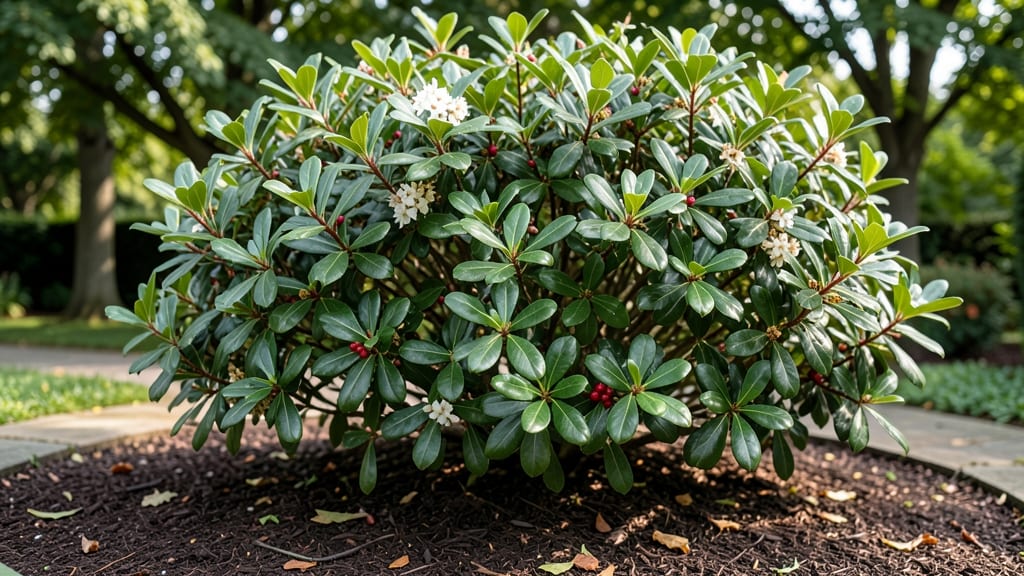
How tall does English Laurel grow? This evergreen beauty reaches a mature height of 10 to 30 feet under ideal conditions, making it a statement shrub that can rival small trees in your landscape.
Wondering if English Laurel’s towering presence will outgrow your garden? This evergreen thrives in 6a zones and beyond, but its height depends on pruning, soil, and sunlight. Without regular maintenance, it can quickly reach 20 feet or more, while strategic trimming keeps it manageable for hedges or borders.
For those with limited space, dwarf cultivars like 'Sarastro' stay under 8 feet, perfect for containers or small yards. Even standard varieties respond well to pruning in late winter or early spring, so you can shape it to fit your vision without sacrificing its lush, glossy foliage.
Below, I’ll break down how fast it grows, the best pruning techniques, and which cultivars stay shorter—so you can plan your garden layout with confidence.


English Laurel mature height range: what to expect from full-grown plants
English Laurel (Prunus laurocerasus) is a stunning evergreen shrub that can transform your garden into a lush, green sanctuary—but its mature height varies dramatically depending on cultivar, growing conditions, and age.
If you're planning your landscape, knowing whether your English Laurel will grow to 15 feet or tower over 30 feet is crucial for spacing, pruning, and long-term design. Let’s break down what to expect from this fast-growing plant.
Most English Laurel varieties reach their full mature height between 5 and 10 years, though some slow-growing cultivars may take slightly longer. The standard 'Angustifolia' cultivar, for example, often hits 20–30 feet, while others like 'Rotundifolius' stay more compact at 10–15 feet.
Your climate, soil quality, and pruning habits will also play a major role in how tall your plant ultimately grows.
🌿
| Cultivar | Mature Height Range | Growth Rate | Ideal Use |
|---|---|---|---|
| 'Angustifolia' | 20–30 ft | Fast (10+ ft in 5 years) | Hedges, privacy screens, large landscapes |
| 'Rotundifolius' | 10–15 ft | Moderate (6–8 ft in 5 years) | Borders, small hedges, containers |
| 'Sarastro' | 8–12 ft | Slow (4–6 ft in 5 years) | Compact gardens, topiary, urban landscapes |
| 'Caucasica' | 15–25 ft | Fast (8–12 ft in 5 years) | Tall hedges, woodland gardens |
| 'Laciniata' | 12–20 ft | Moderate (6–10 ft in 5 years) | Ornamental focal points, mixed borders |
Climate plays a surprising role in how tall your English Laurel grows. In warmer climates (USDA Zones 7–9), these plants thrive and often reach their maximum height faster due to longer growing seasons.
In cooler zones (Zone 6 or lower), growth slows, and mature heights may stay on the shorter end of the range. For example, a 'Angustifolia' in Florida might hit 30 feet in 8 years, while the same plant in New England could take 12 years to reach 20 feet.
Soil type also impacts height. English Laurel prefers well-draining, slightly acidic soil (pH 5.0–6.5). If planted in clay-heavy or waterlogged soil, growth can stall, leading to a shorter, bushier plant. Amending soil with compost or sand before planting encourages faster, healthier growth.
I’ve seen English Laurel in rich loam reach 25 feet in just 7 years, while those in poor, compacted soil struggle to exceed 12 feet even after a decade.
Pruning is another critical factor. If you never prune, your English Laurel will grow tall and wild, often developing a tree-like structure with a single trunk. However, regular pruning (especially formal hedge trimming) can keep heights under control.
For instance, trimming 'Angustifolia' annually to 15 feet will prevent it from reaching its full 30-foot potential while maintaining a dense, lush appearance.
🌳
Timing is everything when it comes to height expectations. In the first 3 years, English Laurel grows rapidly, often adding 3–5 feet per year. By year 5, growth slows to 1–3 feet annually, and by year 10, most varieties reach their mature height.
This gradual slowdown is why planning for long-term height is essential—especially if you’re using English Laurel for privacy screens or windbreaks. I recommend spacing plants 6–10 feet apart if you want a tall, dense hedge in 7–10 years.
One common misconception is that English Laurel will always grow tall and unruly. The truth? With the right cultivar selection and pruning strategy, you can easily manage its height.
For example, 'Sarastro' is perfect for small gardens or containers, while 'Rotundifolius' works well as a medium-height hedge. Always check the specific cultivar’s growth habits before planting—this small step can save you from years of frustration.
If you’re still unsure about how tall your English Laurel will grow, consider its intended use. For hedges or borders, aim for 6–12 feet by choosing dwarf varieties or pruning aggressively.
For privacy screens or woodland gardens, embrace taller cultivars like 'Angustifolia' or 'Caucasica'. Either way, understanding these height ranges will help you create a garden that’s both beautiful and manageable.
✂️
Pruning English Laurel for height control: techniques and best practices
English Laurel (Prunus laurocerasus) can reach heights of 15–30 feet if left unchecked, making height control essential for most gardens. Pruning isn’t just about aesthetics—it ensures healthy growth, prevents overcrowding, and maintains your plant’s desired shape.
Whether you’re shaping a hedge or keeping a single specimen in check, timing and technique are everything.
Most gardeners make the mistake of pruning at the wrong time, often cutting back in late spring or summer, which stresses the plant and invites pests. Instead, focus on late winter or early spring (just before new growth begins) to encourage vigorous, controlled growth throughout the season.
This timing also gives you a clear view of the plant’s structure for precise cuts.
⚠️ callout warning
Your pruning tools should include sharp bypass pruners for clean cuts on smaller branches and a pruning saw for thicker stems. Always sterilize tools with rubbing alcohol to prevent disease spread. Avoid using dull tools, which tear bark and invite infections—especially critical for evergreens like English Laurel.
There are two main pruning styles: formal (geometric, layered cuts) and informal (natural, irregular shape). Formal pruning is ideal for hedges or borders, while informal works for specimen plants.
For height control, focus on cutting back the topmost growth by 1/3 of the branch length to encourage bushier growth lower down. Never remove more than 25% of the foliage in one session.
Common mistakes include over-pruning (which causes dieback) or cutting into old wood (which won’t regrow). Always prune just above a leaf node or bud to stimulate new growth. If you notice yellowing leaves or bare stems after pruning, you’ve likely cut too aggressively—adjust your approach for the next session.
After pruning, apply a balanced fertilizer (10-10-10) to support recovery and new growth. Water deeply to reduce stress and keep the soil consistently moist for the first 4–6 weeks.
Monitor your plant closely for signs of pests or disease, especially if you’ve made large cuts—English Laurel is prone to aphids and fungal issues when stressed.