
How To
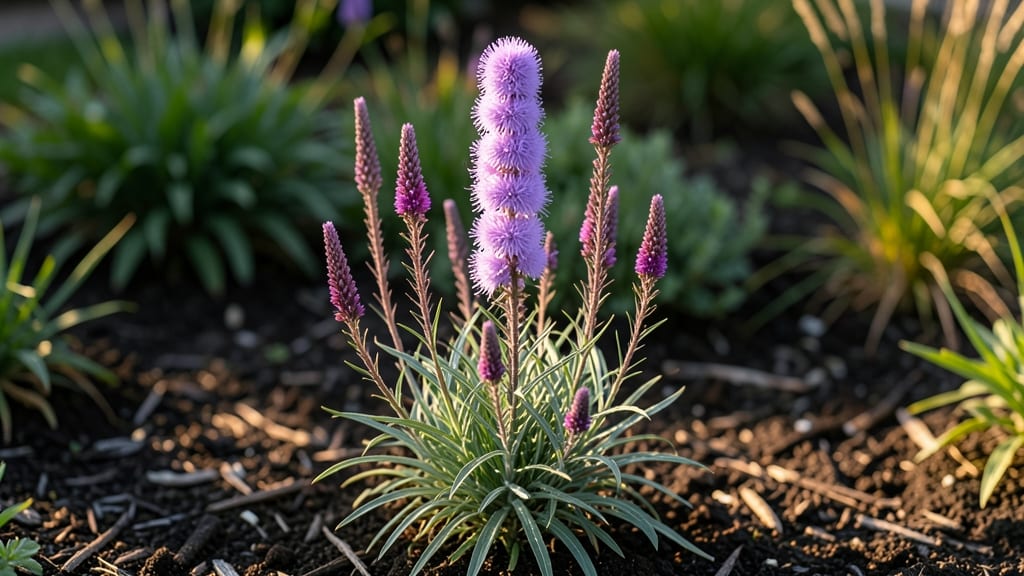
Liatris grows between 1 and 5 feet tall, depending on the variety and growing conditions—making it a versatile choice for borders, pollinator gardens, or dramatic backdrops.
If you're dreaming of adding striking purple plumes to your garden but wondering how tall does liatris grow, you're in the right place. Some species like Liatris spicata reach towering heights of 4 to 5 feet, while dwarf varieties stay compact at just 1 to 2 feet.
This native perennial thrives in full sun and well-drained soil, where it can showcase its full height potential. Whether you need a mid-height accent or a bold statement plant, liatris adapts beautifully to different garden spaces.
Below, I’ll break down the height ranges by popular varieties, plus tips for maximizing growth and pairing it with other plants for stunning visual impact.


Liatris height ranges by popular native varieties: a complete guide
When planning your garden, knowing how tall does liatris grow helps you choose the perfect variety for your space. Liatris, or blazing star, offers stunning purple plumes but varies dramatically in height—from compact 1-foot dwarfs to towering 5-foot giants.
Each species has unique growth habits, making them ideal for borders, backdrops, or pollinator-friendly meadows.
For gardeners working with limited space, dwarf varieties like Liatris microcephala stay under 2 feet tall, perfect for containers or front-of-border planting. Meanwhile, tall cultivars such as Liatris spicata reach 4-5 feet, creating dramatic vertical interest.
Let’s explore the height ranges of the most popular native varieties to help you select the best fit for your design.
📊 Summary Table: Liatris Height Ranges by Variety
| Variety | Common Name | Mature Height | Best For |
|---|---|---|---|
| Liatris spicata | Blazing Star | 4-5 ft | Backdrops, meadows |
| Liatris pycnostachya | Kansas Gayfeather | 3-4 ft | Pollinator gardens |
| Liatris microcephala | Dwarf Blazing Star | 1-2 ft | Containers, borders |
| Liatris scariosa | Prairie Blazing Star | 3-5 ft | Wildflower mixes |
| Liatris spicata 'Kobold' | Dwarf Kobold | 1.5-2 ft | Rock gardens |
| Liatris punctata | Button Blazing Star | 2-3 ft | Cut flowers |
| Liatris squarrosa | Rough Blazing Star | 2-4 ft | Prairie restoration |
| Liatris aspera | Rough Blazing Star | 3-4 ft | Dry gardens |
If you’re designing a pollinator garden, Liatris pycnostachya and Liatris spicata are top choices—their 3-5 foot heights attract bees and butterflies while adding vertical drama. For small-space gardens, Liatris microcephala or 'Kobold' stay under 2 feet, making them ideal for containers or window boxes.
For cut flower arrangements, Liatris punctata (2-3 ft) provides long-lasting blooms that hold their shape in vases. Meanwhile, Liatris scariosa (3-5 ft) thrives in wildflower meadows, creating naturalistic backdrops. Always check your USDA hardiness zone
How liatris height affects garden design: choosing the right variety
Selecting the right liatris height for your garden is like choosing the perfect actor for a role—it all comes down to placement and impact. The mature height of these native perennials can turn a simple border into a dramatic focal point or add subtle texture to a mixed bed.
Whether you're designing a pollinator-friendly meadow or a structured cottage garden, understanding liatris varieties helps you make intentional choices that elevate your space.
From dwarf varieties perfect for edging walkways to towering statement plants that reach 5 feet, liatris offers versatility. The key is matching the plant's natural growth habit with your garden's layout.
For example, a 3-foot variety might work beautifully in a mid-height border, while a 5-foot giant could anchor a wildflower backdrop behind shrubs. Let's explore how to use height strategically in your design.
🌿 Liatris Height Guide: Perfect Placements by Size
- Under 2 ft: Ideal for border edges, rock gardens, or container plantings. Varieties like Liatris microcephala add delicate texture without overwhelming smaller spaces.
- 3-4 ft: Perfect for mid-height accents, pairing well with coneflowers or black-eyed Susans. These create movement in mixed borders and attract butterflies at eye level.
- 4-5 ft: Best as backdrop plants behind perennials or in prairie-style gardens. Liatris spicata thrives here, offering vertical drama and late-season interest.
- 5+ ft: Use as focal points in wildflower meadows or near patios. These giants command attention and provide year-round structure when paired with ornamental grasses.
When pairing liatris varieties by height, consider the rule of thirds for visual balance. For instance, plant a 3-foot variety in front of a 5-foot backdrop to create depth. This technique works especially well in native plant gardens where you want to mimic natural layers.
Pro tip: Group shorter liatris with low-growing perennials like Salvia nemorosa or Carex sedges to soften the transition.
Don't overlook the companion planting opportunities that height creates. Taller liatris varieties provide vertical interest that draws the eye upward, making them perfect partners for horizontal spreaders like Heuchera or Sedum.
This contrast adds dimension to your garden's structure. For example, a 4-foot liatris planted behind Hosta creates a stunning foliage-to-flower transition that blooms from summer to fall.
If you're working with limited space, consider dwarf cultivars like Liatris pycnostachya 'Kobold', which maxes out at 18 inches. These are perfect for small gardens or urban containers where you still want the pollinator benefits without the height.
Even in tight spaces, liatris adds seasonal color and supports local ecosystems. For larger areas, let the tallest varieties shine as natural privacy screens or wildlife corridors.
Remember, liatris height isn't just about aesthetics—it's also about function. Taller varieties create windbreaks in exposed areas, while shorter ones thrive in shadier microclimates. By thoughtfully selecting based on height, you'll create a garden that's both visually stunning and ecologically beneficial.
Start small, experiment with different placements, and let your liatris grow into the perfect fit for your space! 🌸