
How To
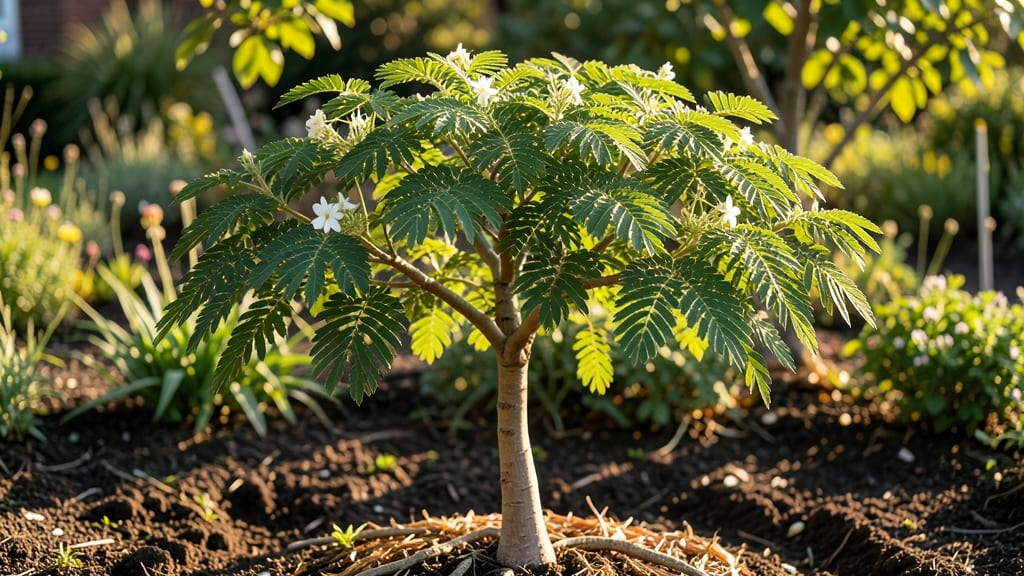
A moringa tree grows 10 to 30 feet tall under ideal conditions, making it one of the fastest-growing trees you can cultivate 🌿—but its height depends entirely on where you live and how you care for it.
Picture this: a 6-foot tree in its first year, shooting up 10 feet by year two, and topping out near 30 feet if left unpruned.
That’s the kind of growth that turns a backyard into a mini jungle in no time, but it also means you’ll need to plan for space—or pruning—if you’re not aiming for a towering shade tree.
Climate plays a huge role here. In warmer zones like Florida or California, moringa trees hit their full height faster, while in cooler areas like USDA Zone 6a, they’ll grow more slowly unless you give them extra warmth and protection.
Even soil quality and watering habits can push a tree toward 20 feet or keep it closer to 10 feet.
Below, I’ll break down exactly how to manage its height—whether you want a compact version for containers or a full-sized tree for your garden—and the simple tricks that make all the difference in how tall (or short) your moringa grows.


Moringa tree height by growth stage: from seedling to mature tree
If you're growing moringa oleifera, you're in for a treat—this tree grows faster than most and can reach stunning heights under the right conditions. But how tall does a moringa tree grow? The answer depends entirely on its growth stage, climate, and care.
In tropical regions, a moringa tree can soar to 20-30 feet within 2-3 years, while temperate climates may see 10-18 feet in the same timeframe.
The key to unlocking its full height potential lies in understanding its three distinct growth phases: seedling (0-6 months), juvenile (6-12 months), and mature (12+ months). Each phase brings dramatic changes in height, leaf production, and structural development.
Let’s break down what to expect at each stage, along with the environmental factors that can accelerate—or stunt—its growth.
During the seedling stage (0-6 months), your moringa tree will focus on root and leaf development rather than height.
In ideal conditions—full sun (6+ hours daily) and well-draining soil (pH 6.0-7.5)—you’ll see rapid leaf growth, but height gains will be modest, typically 1-3 feet in tropical climates and even less in cooler regions.
This phase is critical for establishing a strong root system, so avoid transplanting unless absolutely necessary.
By the time your moringa reaches the juvenile stage (6-12 months), things get exciting. This is when the tree starts its vertical growth spurt, often adding 5-8 feet in a single year if conditions are perfect.
In tropical climates, juvenile moringa trees can reach 6-10 feet by their first birthday, while temperate-grown trees may only hit 3-8 feet. Pruning lightly during this stage can encourage a bushier shape and prevent weak branches from snapping under the weight of new leaves.
The mature stage (12+ months) is where moringa trees truly shine—or tower, depending on your perspective. With proper care, a moringa tree in a tropical climate can reach 20-30 feet, making it a striking centerpiece for large gardens or homesteads.
In temperate zones, expect 10-18 feet, though some varieties may max out at 12-15 feet due to shorter growing seasons. At this stage, height growth slows, but the tree’s canopy width expands significantly, providing ample shade and leaf harvests.
Climate plays a massive role in determining how tall your moringa tree will grow. In tropical regions (USDA Zones 10-12), moringa thrives year-round with minimal stress, allowing it to reach its maximum height potential.
In temperate zones (USDA Zones 6-9), growth slows or halts during winter, capping height at 10-18 feet. Even in cooler climates, you can extend the growing season by planting in containers and moving them indoors during frost.
Soil quality is another non-negotiable factor for height. Moringa trees prefer sandy loam soil with excellent drainage to prevent root rot. Amend heavy clay soils with compost or perlite to improve aeration. A slightly acidic to neutral pH (6.0-7.5) ensures optimal nutrient uptake, which directly impacts growth rate.
If your soil is too alkaline, consider adding sulfur or peat moss to adjust the pH before planting.
Pruning is often overlooked but can dramatically influence a moringa tree’s height and shape. To encourage taller growth, avoid heavy pruning in the first year. Instead, focus on removing dead or diseased branches and lightly trimming to maintain an open canopy.
Once your tree reaches 6 feet, you can prune the top 1-2 feet to redirect energy upward. For container-grown moringa, regular pruning is essential to control height and promote bushiness.
If you’re growing moringa in a container, height will naturally be limited by pot size. A 5-gallon container may only support a 6-8 foot tree, while a 15-gallon pot could accommodate 10-12 feet.
Use a fast-draining mix with 50% potting soil, 30% perlite, and 20% compost to mimic ideal growing conditions. Container-grown moringa also benefits from monthly feeding with a balanced fertilizer (10-10-10) during the growing season.
One common mistake gardeners make is assuming moringa trees will grow tall without intervention. While they’re fast-growing, neglecting sunlight, water, or nutrients can stunt their height. For example, shady conditions will result in leggy, weak growth, while
How to maximize moringa tree height: pruning, climate, and soil secrets
Want your moringa tree to reach its full 20–30-foot potential? The secret lies in understanding how to encourage vertical growth while avoiding common pitfalls that stunt its height 🌳.
Unlike slower-growing trees, moringa responds dramatically to the right care—think 10 feet in just two years if you follow these expert tips.
First, focus on pruning techniques that promote height rather than bushiness. Moringa trees grow fastest when allowed to develop a single main trunk, so avoid heavy pruning of the central leader.
Instead, prune lower branches to eliminate competition and redirect energy upward. This is especially critical in USDA Zone 6a, where cooler temperatures slow growth.
Next, pay attention to soil conditions. Moringa thrives in well-draining, slightly acidic soil with a pH between 6.0 and 7.5. If your soil is too alkaline or compacted, roots struggle to absorb nutrients, limiting height growth.
Amend with compost or organic matter to create an ideal environment for rapid vertical expansion.
Climate also plays a huge role. In tropical regions, moringa trees can hit 30 feet in just three years, but in cooler climates, growth slows significantly.
If you're in a frost-prone area, protect young trees with row covers or move potted moringa indoors during winter to prevent stunted growth.
⚠️ Common Mistakes That Stunt Moringa Height
- Over-pruning: Cutting too many branches at once forces the tree to focus on regrowth instead of height.
- Poor drainage: Waterlogged soil suffocates roots, slowing vertical growth by up to 50%.
- Inconsistent watering: Drought stress or overwatering both limit nutrient uptake, capping height at 10–15 feet.
Fix these issues, and your moringa could grow 2–3 feet taller in just one season!
Watering is another critical factor. Young moringa trees need deep watering every 3–5 days to establish strong roots, while mature trees thrive with 5–7 days between waterings. Always water in the morning to reduce evaporation and fungal risks, which can weaken the tree and limit its height potential.
For maximum height, fertilize with a balanced 10-10-10 NPK mix every 4–6 weeks during the growing season. Avoid heavy nitrogen fertilizers, which encourage leafy growth at the expense of height. Instead, focus on phosphorus and potassium to support root and stem development.
With these strategies, you’ll watch your moringa tree shoot upward like a fast-growing skyscraper—reaching its full 20–30-foot potential in no time! 🌱